





In the digital era where the travel industry faces fierce competition, having a feature-rich website is not an option—it's essential. In this article, we explore 10 must-have features that can make or break your travel website.
User-Friendly Search and Filter Options
Importance for User Experience
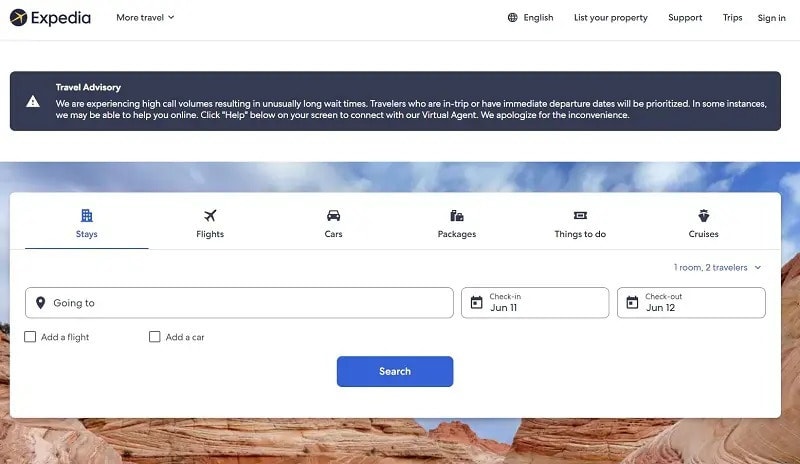
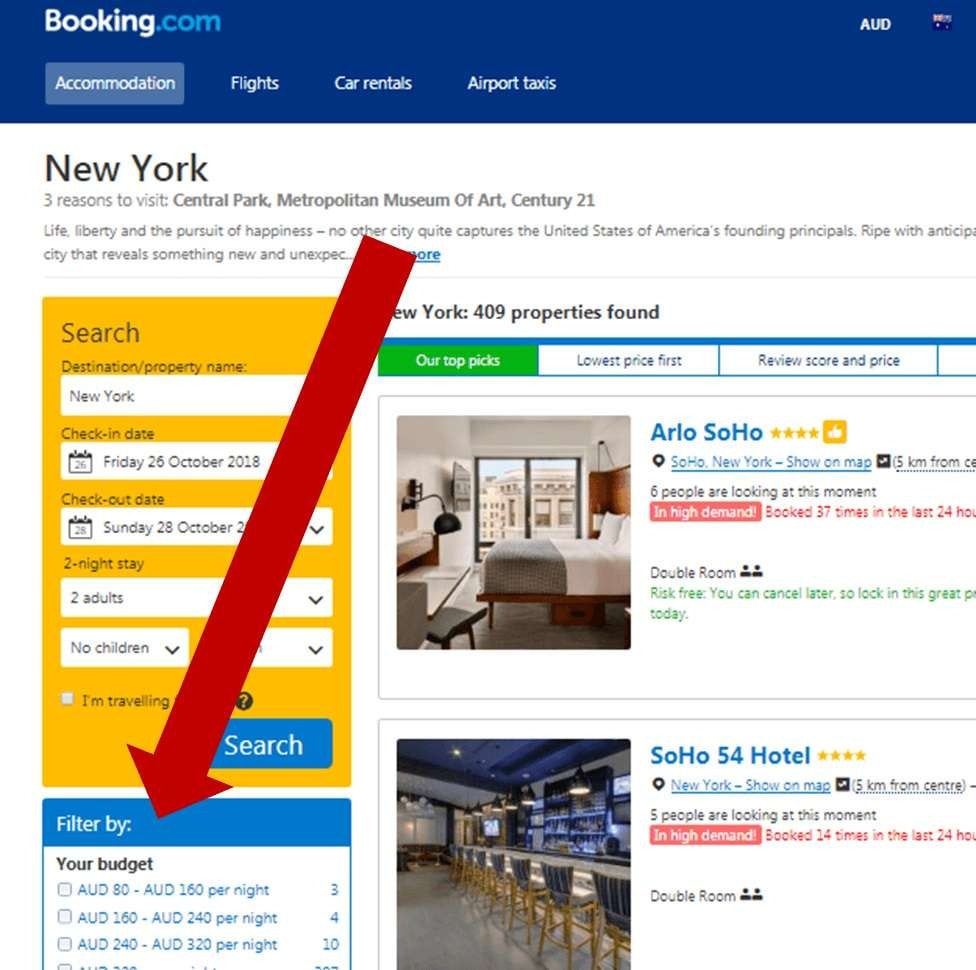
A well-designed search and filter option is a cornerstone of user experience. Users expect to search based on various parameters like date ranges, destinations, and pricing. Without these features, you risk losing potential customers.
Features to Include
Date Range: Allows users to filter based on their preferred travel dates.
Destination Search: Enables users to search for specific locations.
Price Filters: Helps users sort options based on their budget.
Secure and Easy-to-Use Booking System
Importance of a Secure System
Security concerns are the top reason customers abandon online bookings. A secure and intuitive booking system will build trust and increase conversions.
Payment Gateway Options
Stripe for credit card payments
PayPal for secure transactions
Cryptocurrency options for the tech-savvy traveler
For more insights, check this Smashing Magazine article on Secure Booking Systems.
Real-Time Availability and Pricing
Why Real-Time Updates Are Critical
It’s frustrating for a user to go through the booking process only to discover that the deal they wanted is no longer available. Real-time updates eliminate this issue.
How to Implement
APIs or webhooks can be used for real-time updates.
High-Quality Photos and Videos
Role in Enhancing User Experience
Visual content acts as a virtual tour guide. High-quality imagery can significantly enhance the user experience and increase time spent on your site.
Recommended Formats
Images: JPEG or PNG formats
Videos: MP4 or WebM formats
Detailed Descriptions and Itineraries
Why Detailed Content Matters
Detailed and engaging descriptions can paint a vivid picture of the travel experience a customer can expect, thus aiding the decision-making process.
How to Create Compelling Descriptions
Use descriptive language
Include key details like the itinerary, tour guides, and meals
Use bullet points for easy reading
User Reviews and Ratings
The Power of Social Proof
Reviews and ratings are the modern word-of-mouth. They instill trust and often tip the scales in favor of a booking.
How to Showcase Reviews Effectively
Display most recent reviews first
Use a 5-star rating system
Include photos from customers if possible
Interactive Maps
Benefits for User Navigation
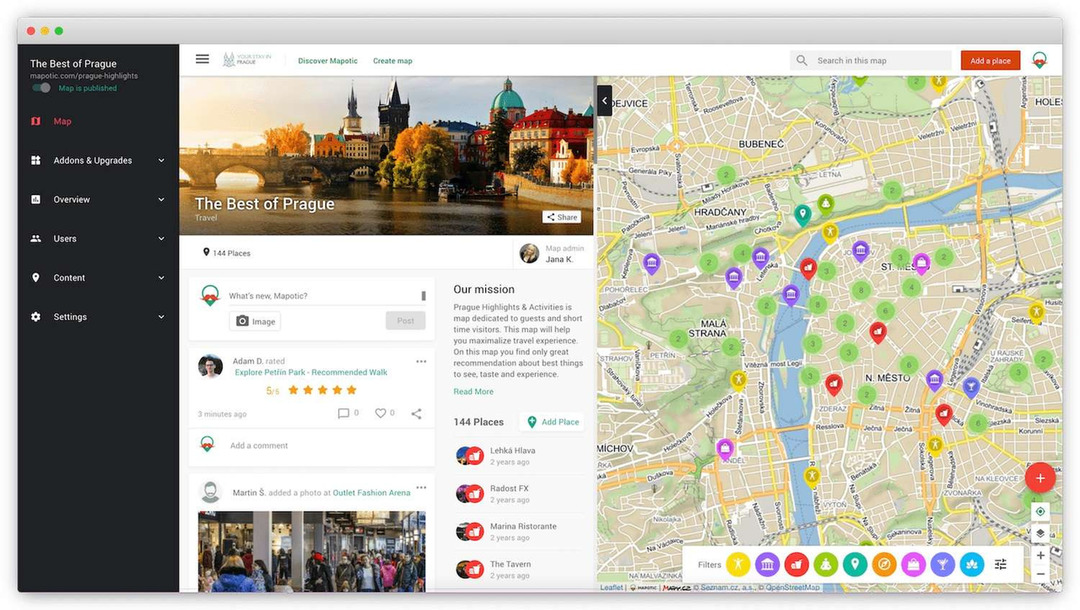
Interactive maps enable users to visualize their trip and plan activities accordingly.
Tools for Map Integration
Google Maps API
Mapbox for customized maps
Contact Information and Support
Importance of Clear Info
Accessible contact information can drastically improve user satisfaction and help resolve issues quickly.
Customer Support Best Practices
Include a live chat feature
Offer email and phone support
Display a comprehensive FAQ section
Language and Currency Options
Significance of Localization
Travel websites cater to a global audience, making localization through language and currency options crucial.
How to Add These Features
Use plugins or APIs that support multiple languages
Provide currency conversion options
Mobile Responsiveness
Importance in the Modern Web Landscape
Over 50% of internet browsing is done on mobile devices, making mobile responsiveness a non-negotiable feature.
Tips for Optimizing for Mobile
Use responsive design frameworks like Bootstrap
Test your website on various mobile devices
Keep an eye on page loading speeds
For more information, read Why Responsive Design is a Must-Have for Any Successful Travel Website.
To sum it up, creating a user-friendly, secure, and feature-rich travel website is not an accessory but a necessity in today's competitive market. Incorporating these ten essential features will not only improve user satisfaction but also increase conversion rates and ROI.
FAQs
Why are search and filter options important?
They improve the user experience by making it easier to find options that fit the user’s needs.
Is a secure booking system necessary?
Absolutely, it not only protects you but builds trust with the user.
How can I implement real-time updates?
Using APIs or webhooks can keep your database updated in real-time.
Why should I include high-quality photos?
They improve user experience by giving a realistic impression of the services you offer.
What is the importance of mobile responsiveness?
With the rise in smartphone usage, a mobile-optimized site is crucial for reaching a broader audience.
Table of contents

About the author