





As a content strategist at Nilead, I've been tracking the seismic shift in how people discover information. The traditional "search and click" behavior is rapidly giving way to "ask and receive direct answers." This fundamental change demands a complete rethinking of content strategy.
Why isn't traditional SEO enough in the age of AI?
The transformation is happening faster than most marketers realize. User behavior has evolved from keyword-based searching to conversational querying. Instead of typing "best project management tools 2025" into Google, users now ask ChatGPT: "What project management tool would work best for a remote team of 15 developers?"
The core challenge: Your meticulously crafted SEO content now competes not with other articles, but with AI's ability to synthesize information from multiple sources into one comprehensive answer. Content that dominated traditional search rankings can become invisible to AI platforms overnight.
What's at stake: While traditional organic search traffic shows declining patterns across industries, AI-mediated discovery is rapidly growing. The brands that understand how different AI platforms prioritize and present information will capture the lion's share of this new traffic source.
The reality check: Most content strategies still optimize for discovery through keywords, while AI platforms optimize for user satisfaction through direct, actionable answers. This mismatch creates both a massive risk for unprepared brands and an enormous opportunity for those who adapt quickly.
How does each AI platform prioritize and rank content?
After months of testing content across different AI platforms, I've identified distinct "personalities" that determine what each platform prioritizes. Understanding these differences is crucial for content success.
How do you optimize content for Google Gemini (The ecosystem player)?
Gemini doesn't just search the web—it deeply integrates with Google's entire ecosystem. During my testing, I noticed Gemini consistently favored content that aligned with Google's broader services.
What Gemini Prioritizes:
Content with proper schema markup and structured data
Google Business Profile optimization for local queries
Real-time, location-specific content receives premium treatment
What should we do? Focus on structured data implementation across your content. Use Google's structured data testing tool to ensure proper markup. For local businesses, treat your Google Business Profile as a primary content asset, not an afterthought. Create content that naturally integrates with Google's ecosystem rather than fighting against it.
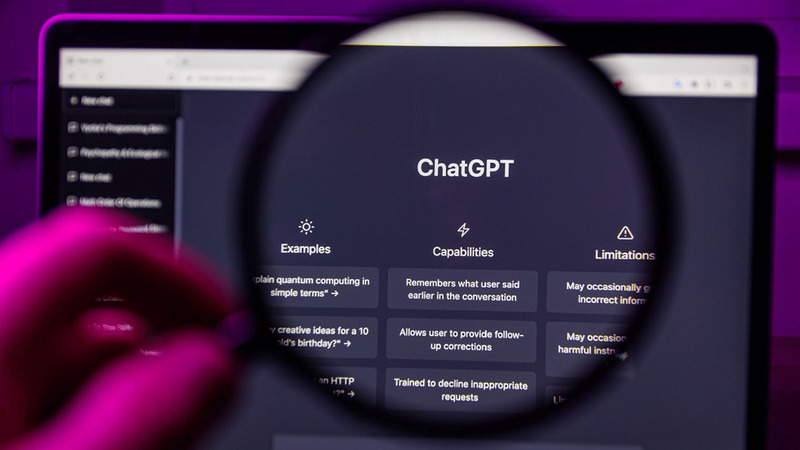
How can your content get picked by ChatGPT? (The problem solver)
ChatGPT approaches content like a consultant. It seeks frameworks, processes, and step-by-step solutions. In my analysis, ChatGPT showed a strong bias toward educational content that teaches rather than just informs.
What ChatGPT Loves:
Step-by-step guides with clear action items
Comparison frameworks that help decision-making
"How-to" content with practical, implementable advice
It's clearly! Structure your content as educational resources that teach processes rather than just sharing information. Create decision-making frameworks that help users choose between options. Instead of simply listing features or benefits, guide users through the reasoning process.
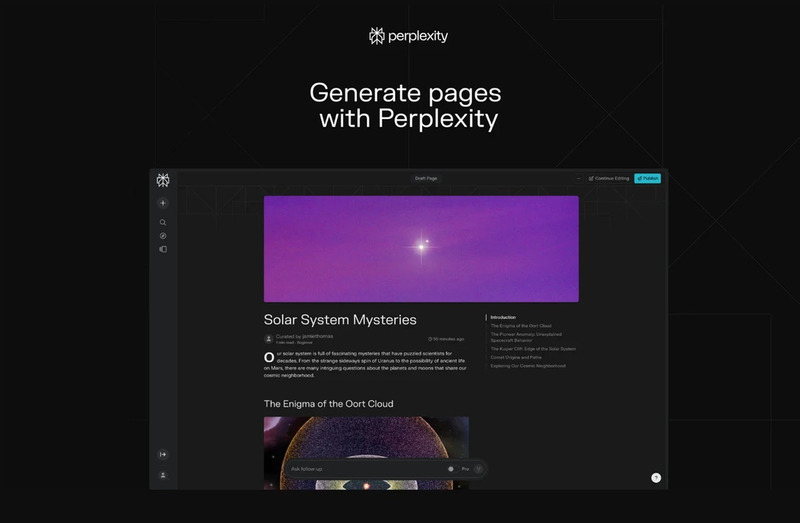
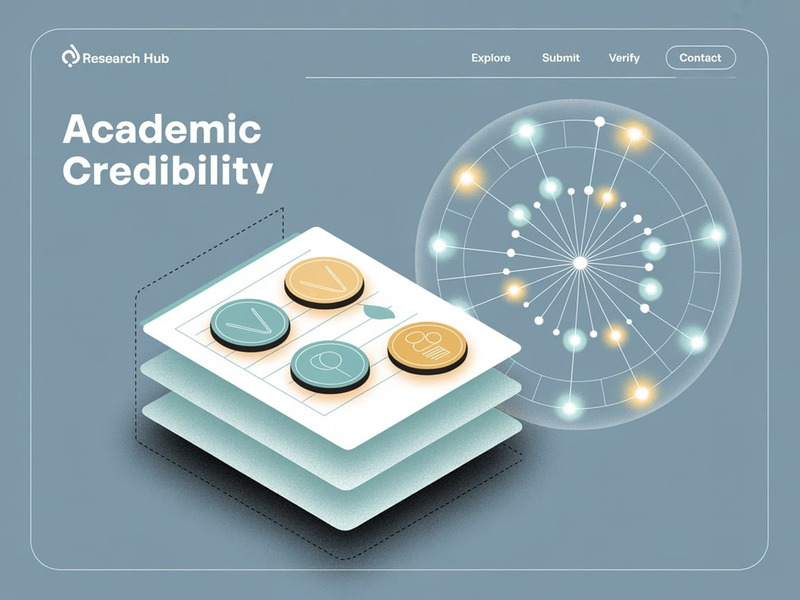
How do you convince Perplexity your content is credible? (The Academic)
Perplexity acts like a research librarian—it values credibility above all else. During content testing, I found Perplexity consistently favored sources with strong academic or professional credentials.
What Perplexity Respects:
Content with proper citations and references
Clear author credentials and expertise indicators
Data-driven insights with verifiable sources
Invest in building your content's credibility infrastructure. Add comprehensive author bios, cite reputable sources, and include methodology sections in your analyses. Make your expertise immediately apparent through clear credentials and professional indicators.
How should you write in-depth, nuanced content to be valued by Claude? (The Deep Thinker)
Claude gravitates toward comprehensive, nuanced content. In my testing, Claude consistently preferred longer-form content that explored topics from multiple angles.
What Claude Appreciates:
Long-form comprehensive analyses
Multi-part series that build upon each other
Content that explores complexity rather than oversimplifying
Don't shy away from depth and complexity. Create comprehensive resources that thoroughly explore topics from multiple angles. Consider developing content series where each piece builds upon previous insights, creating a knowledge ecosystem around your expertise areas.

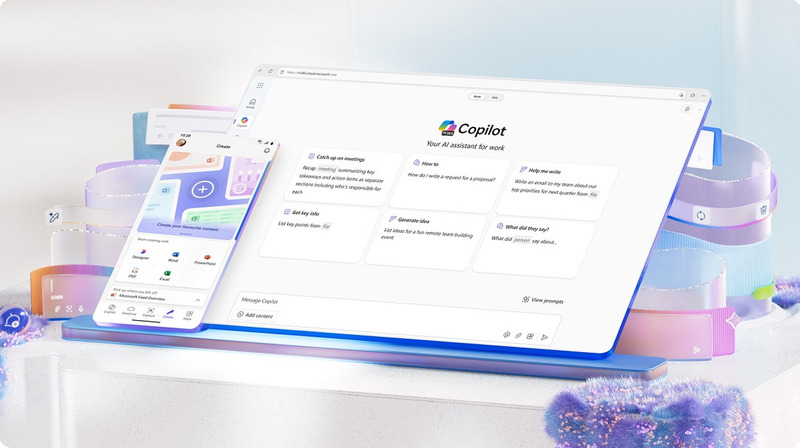
How do you create content that delivers productivity value for Microsoft Copilot? (The Productivity Partner)
Copilot views content through a productivity lens. It favors actionable, business-focused content that helps users accomplish specific tasks.
What Copilot Values:
Business templates and frameworks
Workflow optimization guides
Integration tutorials for Microsoft Office tools
Create immediately actionable business content. Develop templates, frameworks, and guides that users can implement directly in their work. Focus on productivity improvements and practical business applications rather than theoretical concepts.
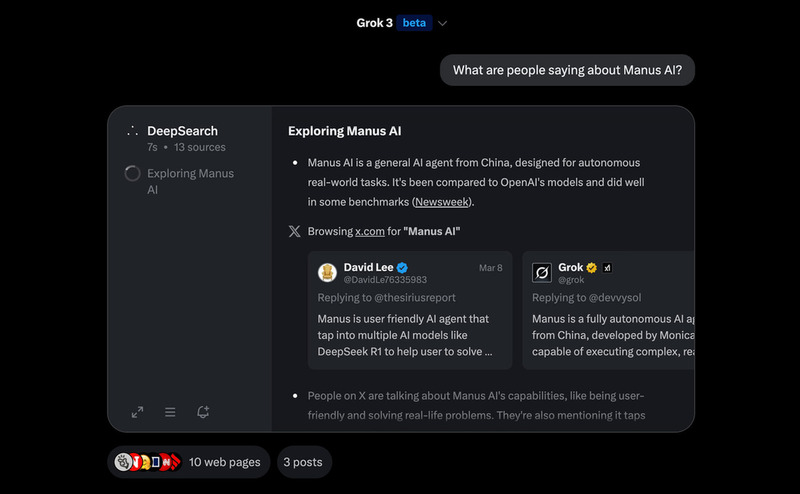
How can your content catch trends and get noticed by Grok? (The Trend Spotter)
Grok operates at the intersection of real-time information and social media insights. It prioritizes current, trending, and socially relevant content.
What Grok Hunts For:
Real-time news analysis and commentary
Trending topic perspectives
Social media-native content formats
Stay current with industry trends and breaking news in your field. Create content that connects current events to broader business implications. Develop a content calendar that allows for rapid response to trending topics and breaking developments.
What are the 3 core principles for successful content on any AI platform?
Despite their differences, successful content across all AI platforms follows three fundamental principles I've identified:
The Answer-First Rule
AI platforms reward content that provides immediate value. Your opening paragraph should directly answer the user's question, not build up to it. Context and explanations come after the answer, not before.
Bad: "To understand the best email marketing practices, we first need to examine the evolution of digital communication..."
Good: "The most effective email marketing practices for 2025 are personalization at scale, interactive content integration, and AI-powered send time optimization. Here's how each works..."
The Credibility Triangle
Every piece of content needs three credibility markers:
Authority (Who): Clear author credentials and expertise
Quality (What): Verifiable information and proper sourcing
Freshness (When): Current, up-to-date information
The Structure Hierarchy
AI platforms scan content structure before diving into details. Clear H1-H6 organization, scannable formatting, and logical information flow dramatically improve AI visibility.
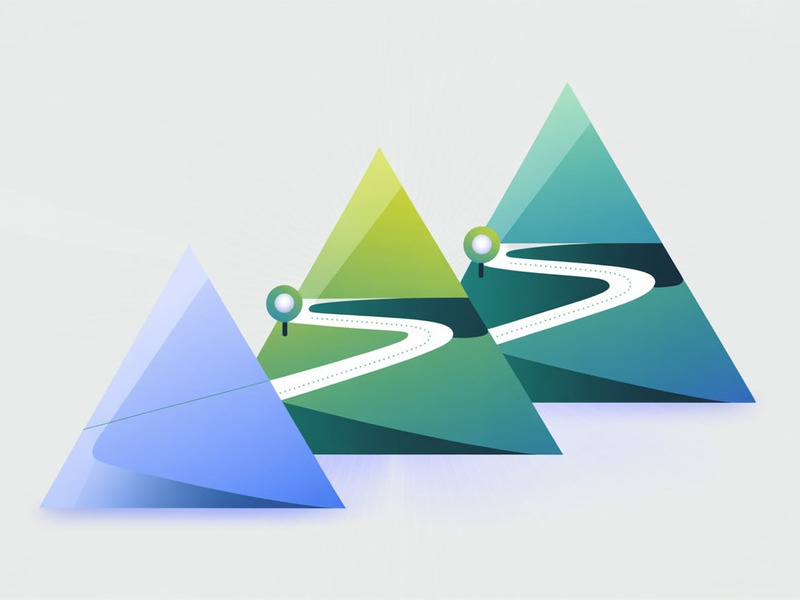
Roadmap from SEO to AIO (AI Optimization)
Based on successful transitions I've guided, here's a practical three-phase approach:
Phase 1: Assessment (Month 1)
Week 1-2: Content Audit
Analyze your top 20 pieces of content for AI platform visibility
Identify which platforms currently cite your content (if any)
Document gaps between current content and AI platform preferences
Week 3-4: Competitive Analysis
Research which competitors appear in AI search results for your key topics
Analyze their content structure and approach
Identify opportunities where competitors are absent
Phase 2: Foundation Building (Months 2-3)
Month 2: Universal Optimization
Implement the Answer-First Rule across high-priority content
Add credibility markers (author bios, citations, update dates)
Restructure content with clear hierarchies and scannable formats
Month 3: Platform Testing
Choose 2-3 AI platforms most relevant to your audience
Create test content optimized for each platform's preferences
Establish baseline metrics for AI visibility and referrals
Phase 3: Specialization and Scale (Months 4-6)
Months 4-5: Platform-Specific Optimization
Deploy advanced techniques for your chosen platforms
Create content series designed for each platform's strengths
Build systematic processes for ongoing optimization
Month 6: Performance Optimization
Analyze performance data across all platforms
Refine approach based on what's working
Scale successful strategies across your content library
So, where should you start with AI content optimization (AIO)?
The brands that succeed in the AI search era won't be those with the most content—they'll be those with the most useful content, structured in ways AI platforms can understand and recommend.
This isn't about replacing your SEO strategy overnight. It's about evolving it to remain relevant as user behavior continues shifting toward AI-mediated discovery.
The companies I've seen succeed approach this transition strategically. They audit their existing content, identify quick wins, and gradually shift their content creation process to optimize for both traditional search and AI platforms.
Start with an honest assessment: when someone asks an AI platform about topics in your expertise area, does your content get mentioned? If not, you already know what needs to change.
In the next article, I'll walk you through the specific tactics and techniques I use to optimize content for each AI platform, complete with templates, checklists, and real-world implementation strategies.
The foundation you build now will determine whether you thrive or struggle in the AI-first world of content discovery.
Ready to dive deeper into practical AI content optimization? Part 2 will show you exactly how to create content that dominates each AI platform, with step-by-step tactics and proven frameworks you can implement immediately.
Table of contents

About the author