





As a small or medium-sized law firm specializing in Canadian immigration law, you're well-versed in helping clients navigate the complex world of visas, permanent residency, and citizenship. But are you effectively reaching potential clients online? In this comprehensive guide, we'll explore tailored SEO strategies to help your immigration law practice stand out in search results, attract more clients, and outrank your competitors.
At Nilead, we understand the unique challenges faced by SMBs in the legal sector. Our AI-powered digital marketing platform is designed to simplify your online presence while maximizing your reach. Let's dive into how you can optimize your immigration law content and dominate search engine results pages (SERPs).
Understanding the Canadian Immigration Law Landscape
Before we delve into SEO strategies, let's briefly review the key areas of Canadian immigration law:
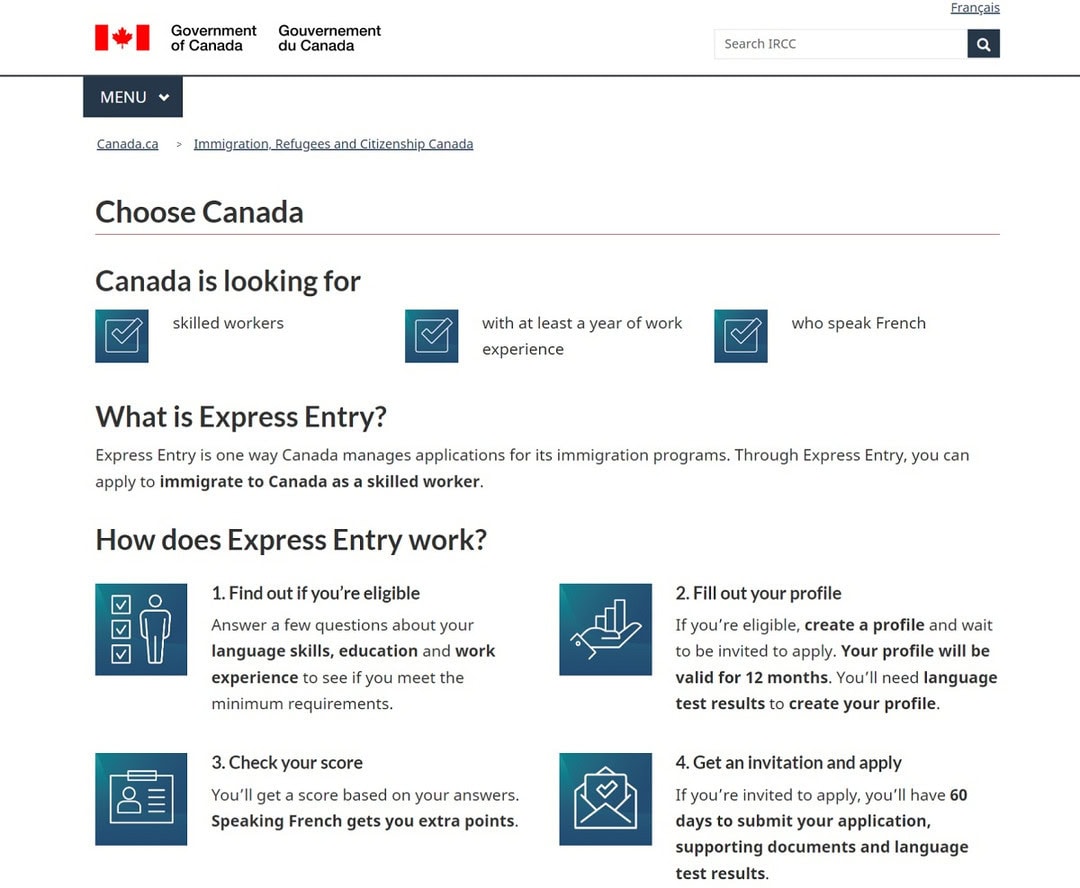
Express Entry system
Provincial Nominee Programs
Family sponsorship
Temporary work permits
Student visas
Refugee and asylum claims
These topics form the foundation of your SEO strategy, helping you target the most relevant keywords and create valuable content for potential clients.
Keyword Research: The Cornerstone of Immigration Law SEO
To outrank your competitors, start with thorough keyword research:
Primary Keywords:
"Canadian immigration lawyer"
"Express Entry Canada"
"Provincial Nominee Program"
Long-tail Keywords:
"How to apply for permanent residency in Canada"
"Family sponsorship immigration process"
"Canadian work permit requirements"
Action Steps:
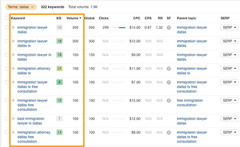
Use Google's Keyword Planner or SEMrush to identify high-volume, low-competition keywords.
Analyze competitor websites to find keyword gaps you can target.
Create a keyword map to guide your content creation efforts.
Content Optimization: Crafting Immigration Law-Focused Articles
Develop comprehensive, authoritative content that addresses user intent:
Content Ideas:
"10 Steps to Successfully Apply for Express Entry"
"Provincial Nominee Programs: A Comprehensive Guide"
"Family Sponsorship in Canada: Eligibility and Process Explained"
SEO Best Practices:
Include primary keywords in titles, headings, and the first paragraph
Use secondary keywords naturally throughout the content
Incorporate relevant legal terms and immigration jargon
Provide clear explanations and examples for complex immigration concepts
Content Optimization: Crafting Immigration Law-Focused Articles
Develop comprehensive, authoritative content that addresses user intent and answers common immigration questions:
Content Ideas:
"Express Entry System: A Step-by-Step Guide for Skilled Workers"
"Top 5 Provincial Nominee Programs for Entrepreneurs"
"Family Sponsorship in Canada: Who Can You Sponsor and How?"
SEO Best Practices:
Include primary keywords in titles, headings, and the first paragraph
Use secondary keywords naturally throughout the content
Incorporate relevant legal terms and immigration jargon, but explain them clearly
Provide real-life examples and case studies to illustrate complex immigration concepts

Writing Tips:
Use clear, simple language to explain complex immigration processes
Break down information into digestible chunks with bullet points and numbered lists
Include a "Quick Facts" or "Key Takeaways" section at the end of each article
Update content regularly to reflect the latest immigration policies and procedures
Example Structure: For an article on "Express Entry: Comprehensive Ranking System (CRS) Explained":
Introduction: Brief overview of Express Entry and CRS
What is the Comprehensive Ranking System?
Factors considered in CRS scoring:
Core factors (age, education, language skills, work experience)
Spouse factors (if applicable)
Skill transferability factors
Additional points (Canadian education, job offer, nomination, etc.)
How to calculate your CRS score
Tips to improve your CRS score
Recent CRS cut-off trends
FAQ section addressing common CRS questions
Conclusion with key takeaways
Technical SEO: Structuring Your Immigration Law Website
Improve your website's architecture to boost visibility:
URL Structure:
Use descriptive URLs: www.yourfirm.com/immigration/express-entry-guide
Include relevant keywords in URLs
Internal Linking:
Create pillar pages for major immigration topics (e.g., "Permanent Residency," "Temporary Visas")
Link related immigration articles to the pillar pages
Use descriptive anchor text for internal links
Schema Markup:
Implement legal-specific schema to enhance SERP visibility
Use FAQ schema for immigration-related frequently asked questions

Local SEO: Targeting Canadian Immigration Searches
Optimize for local searches to attract nearby clients:
Strategies:
Create location-specific immigration content (e.g., "Immigration Lawyers in Toronto")
Optimize Google My Business listing with immigration-related services
Encourage client reviews mentioning successful immigration cases

Link Building: Establishing Authority in Immigration Law
Build high-quality backlinks to boost your site's authority:
Techniques:
Guest post on reputable legal blogs about immigration topics
Participate in immigration forums and discussions, sharing your expertise
Create shareable infographics explaining immigration processes
Content Freshness: Staying Updated on Immigration Changes
Keep your content current to maintain high rankings:
Approaches:
Regularly update existing articles with new immigration policies and procedures
Create new content addressing recent changes in Canadian immigration law
Offer commentary on proposed amendments or legislative changes affecting immigration
Multimedia Content: Engaging Immigration Explanations
Diversify your content to cater to different learning styles:
Ideas:
Create explainer videos on complex immigration processes
Design infographics illustrating visa application steps
Develop interactive quizzes to test immigration knowledge
 Measuring Success: Tracking Your Immigration Law SEO Performance
 Measuring Success: Tracking Your Immigration Law SEO Performance
Monitor your progress and adjust strategies accordingly:
Key Metrics:
Organic traffic to immigration-related pages
Keyword rankings for target immigration terms
Conversion rates for immigration law leads
Bounce rate and time on page for immigration content
Nilead's integrated analytics tools make it easy to track these metrics and generate actionable insights.
Conclusion
Mastering SEO for Canadian immigration law requires a multifaceted approach, combining legal expertise with digital marketing savvy. By implementing these strategies, you'll be well-positioned to outrank your competitors and attract more clients seeking immigration legal services.
Remember, effective SEO is an ongoing process that requires consistent effort and adaptation. At Nilead, we're committed to helping SMBs like your law firm navigate the complexities of digital marketing, allowing you to focus on what you do best – practicing immigration law and serving your clients.
Ready to revolutionize your immigration law firm's online presence and dominate immigration-related searches? Schedule a free discovery session with Nilead today. Let us show you how our AI-powered platform can streamline your digital marketing efforts, boost your visibility, and help you attract more clients interested in Canadian immigration services. Don't let your competitors outrank you – partner with Nilead and start climbing the SERPs today!
Table of contents

About the author