





Your law firm, running like a well-oiled machine, with clients accessing case updates at midnight and securely signing documents from their smartphones. No, it's not legal fantasy – it's the power of secure client portals. In today's digital-first world, these portals aren't just fancy add-ons; they're essential tools that can set your firm apart. Ready to transform your practice? Let's dive into the world of secure client portals and see how they can revolutionize your law firm's efficiency and client satisfaction.
Benefits of Client Portals for Law Firms
Implementing a secure client portal isn't just about keeping up with technology – it's about elevating your entire client experience. Here's how a well-designed portal can benefit your law firm:
Enhanced Client Communication: Provide 24/7 access to case information, reducing phone calls and emails.
Improved Document Management: Securely share and store sensitive documents in one centralized location.
Increased Efficiency: Streamline processes like billing, document signing, and appointment scheduling.
Boosted Client Satisfaction: Offer a modern, convenient way for clients to interact with your firm.
Competitive Advantage: Stand out from firms that haven't yet adopted this technology.
The ABA Legal Technology Survey Report is a reliable source of information on technology use in US law firms. In the 2021 report, it was found that 58% of law firms were using client portals, up from 35% in 2016.
Security Considerations: Protecting Your Clients' Trust in Compliance with US Regulations
When it comes to implementing a client portal, security isn't just a feature – it's the foundation. Here are key security considerations to keep in mind:
End-to-end encryption meeting NIST standards
Two-factor authentication as recommended by the ABA
Regular security audits compliant with state bar ethics opinions
Role-based access control adhering to client confidentiality rules
Secure file transfer protocols in line with federal court e-filing systems
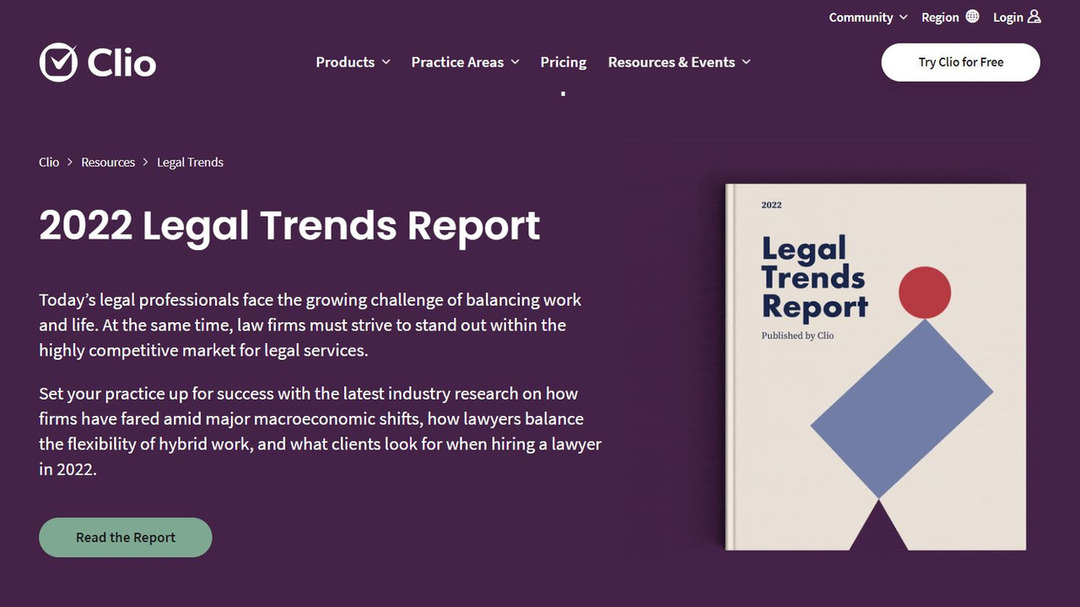
Best practices tip: Consider partnering with a cybersecurity firm to conduct regular penetration testing on your portal. This proactive approach can identify potential weaknesses before they become problems.
Must-Have Features for Your Law Firm's Client Portal
To truly serve your clients and enhance your firm's efficiency, consider including these essential features in your client portal:
Case Status Updates: Real-time updates on case progress and upcoming deadlines.
Document Repository: A secure space for sharing and storing case-related documents.
Secure Messaging: An encrypted communication channel between clients and attorneys.
Billing and Payments: Easy access to invoices and secure online payment options.
Appointment Scheduling: Allow clients to book consultations or meetings directly through the portal.
E-Signature Capabilities: Enable clients to sign documents electronically, saving time and paper.
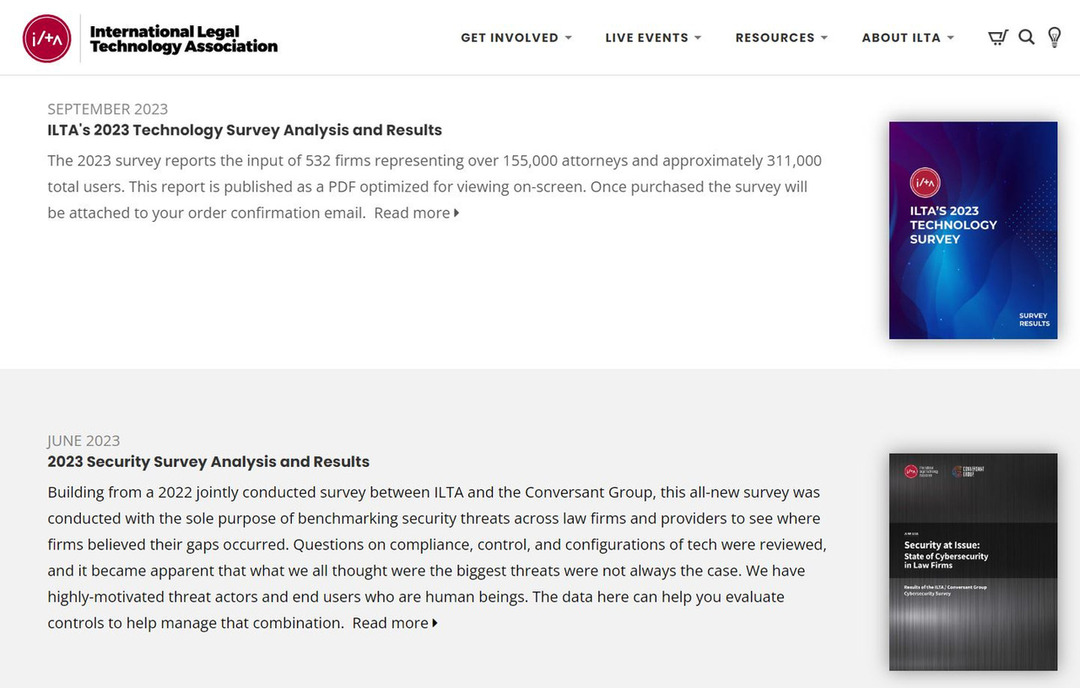
Pro tip: Start with core features and gradually add more based on client feedback and usage patterns. This approach ensures you're meeting actual client needs rather than overwhelming them with unnecessary options.
Seamless Integration: Connecting Your Portal with US-Specific Practice Management Software
The true power of a client portal lies in its integration with your existing practice management software. Here's how to make it happen:
Choose Compatible Systems: Ensure your portal solution can integrate with your current practice management software.
Data Synchronization: Set up automatic syncing of case information, documents, and billing data.
Single Sign-On (SSO): Implement SSO to allow easy access for both staff and clients.
API Integration: Utilize APIs to connect different systems and enable smooth data flow.
Customization: Work with developers to create custom integrations if needed.
LexisNexis conducted a survey in 2019 that found that 73% of consumers are more likely to hire a lawyer who has an online client portal for sharing case information securely.
Designing for Delight: User Experience in Client Portals for Diverse US Clientele
A secure portal is great, but if it's not user-friendly, your clients won't use it. Here's how to create a portal that clients will love:
Intuitive Navigation: Design a clear, logical structure that's easy for non-tech-savvy clients to understand.
Mobile Responsiveness: Ensure the portal works seamlessly on smartphones and tablets.
Customizable Dashboards: Allow clients to personalize their view based on their preferences.
Clear CTAs: Use prominent, action-oriented buttons for key functions like document uploads or messaging.
Accessibility: Follow WCAG guidelines to make your portal accessible to all users, including those with disabilities.
Design tip: Consider implementing a guided tour or onboarding process for new clients to help them navigate the portal effectively.
Staying Compliant: Navigating US-Specific Data Protection Regulations
Implementing a client portal comes with regulatory responsibilities. Here's how to ensure compliance:
GDPR Compliance: Even if you're US-based, consider GDPR standards for best practices in data protection.
CCPA Adherence: If you have California clients, ensure your portal meets CCPA requirements.
ABA Ethics Guidelines: Follow the American Bar Association's guidelines on client confidentiality in digital communications.
Regular Updates: Stay informed about changes in data protection laws and update your portal accordingly.
Transparent Policies: Clearly communicate your data handling and privacy policies to clients.
Compliance tip: Consider appointing a dedicated data protection officer to oversee compliance and handle any data-related issues or queries.
Conclusion
Implementing a secure client portal isn't just about keeping up with technology – it's about positioning your law firm for success in the digital age. By prioritizing security, focusing on user experience, and ensuring compliance, you can create a portal that not only impresses clients but also streamlines your operations and sets you apart from the competition.
Remember, the journey to implementing a secure client portal doesn't have to be overwhelming. With the right partner and approach, you can transform your law firm's digital presence and client experience.
Let Nilead be your guide. Our all-in-one digital marketing solution includes cutting-edge website building and content management tools perfect for implementing your dream client portal. Schedule a free discovery session today and let's explore how we can help you do more for your clients while spending less on multiple tools. Don't let your firm get left behind in the digital revolution – partner with Nilead and start your journey to a more secure, efficient, and client-friendly practice today!
Table of contents

About the author