




Imagine a hungry customer searching for the perfect meal or drink on Google, and a list of options appears. Is your business at the top or buried beneath competitors? In the competitive world of online searches, ranking high on search engine results pages (SERPs) is crucial. This article reveals SEO strategies tailored for the food and beverage industry and how Nilead's all-in-one digital marketing solution can help you stand out, attract customers, and boost your business effortlessly. Let's dive into the world of food and beverage SEO!
The Appetizer: Understanding Your Target Audience
Identifying Your Ideal Customer: Who's Hungry for Your Offerings?
Before you start crafting your SEO strategy, you need to know who you're serving. Just like a chef needs to understand their diners' preferences, you need to identify your ideal customer. Are you targeting locals looking for a quick bite, or foodies seeking a gourmet experience? Are your customers health-conscious, or do they crave indulgent treats? By understanding your target audience's needs, preferences, and pain points, you can create content that speaks directly to them and satisfies their cravings.
Keyword Research: The Secret Ingredient for SEO Success
Now that you know who you're serving, it's time to find out what they're searching for. Keyword research is like the secret ingredient in your SEO recipe – it helps you understand the words and phrases your potential customers are using to find businesses like yours. By identifying relevant, high-traffic keywords and integrating them naturally into your content, you can improve your chances of ranking higher in search results and attracting more qualified leads.

The Main Course: Creating Mouthwatering Content
Crafting Delectable Descriptions: Making Your Menu Items Irresistible
Your website's menu is like the star of the show – it's what entices customers to choose your establishment over others. But a bland, uninspired menu description won't make anyone's taste buds tingle. To make your menu items truly irresistible, use vivid, sensory language that paints a picture of each dish. Describe the flavors, textures, and aromas in a way that makes customers' mouths water. And don't forget to highlight any unique ingredients, preparation methods, or backstories that set your offerings apart.
Blogging: Serving Up Fresh, Engaging Content
Just like a restaurant needs to keep its menu fresh and exciting, your website needs a steady stream of new, engaging content to keep customers coming back for more. That's where blogging comes in. By regularly publishing blog posts that inform, entertain, and educate your audience, you can establish your business as a go-to resource in the food and beverage industry. Share recipes, cooking tips, behind-the-scenes glimpses, or industry news – anything that adds value and keeps your readers hungry for more.

The Perfect Pairing: On-Page Optimization and Site Structure
Meta Tags and Header Tags: The Seasoning That Enhances Your Content
Just like a dash of salt or a sprinkle of herbs can enhance a dish, meta tags and header tags can boost your website's SEO flavor. Meta tags (title tags and meta descriptions) are the snippets of text that appear in search results, giving users a preview of your content. By crafting compelling, keyword-rich meta tags, you can entice more clicks and improve your click-through rates. Header tags (H1, H2, H3, etc.) help structure your content and signal to search engines what each section is about. Use relevant keywords in your header tags to reinforce your page's main topics and themes.
Site Structure: Plating Your Content for Easy Consumption
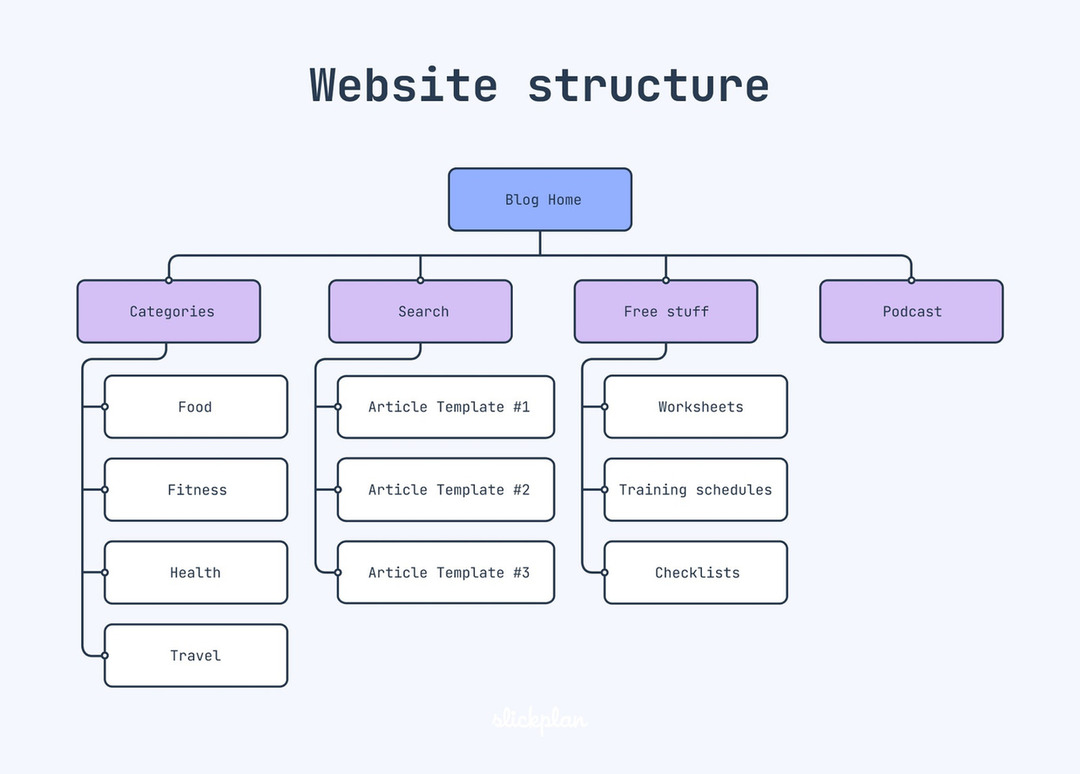
Just as a well-plated dish is easy on the eyes and inviting to eat, a well-structured website is easy to navigate and appealing to users (and search engines). Organize your content in a logical, hierarchical manner, with clear categories and subcategories. Use descriptive, keyword-rich URLs that reflect the content of each page. Make sure your site is mobile-friendly and loads quickly – because no one likes a slow-loading website, just like no one likes a slow-served meal.
The Local Flavor: Optimizing for Local SEO
Google My Business: Putting Your Business on the Map
For food and beverage businesses, local SEO is like the secret sauce that can make you stand out in your community. One of the most important ingredients in your local SEO recipe is Google My Business – a free listing that puts your business on the map (literally). By claiming and optimizing your Google My Business profile with accurate information, mouthwatering photos, and glowing reviews, you can improve your chances of showing up in local search results and attracting nearby customers.
Local Keywords and Content: Catering to Your Community
To really capture that local flavor, sprinkle some local keywords and content throughout your website. Mention your city, neighborhood, or region in your page titles, meta descriptions, and header tags. Create blog posts or landing pages that highlight local events, partnerships, or specials. By showing search engines (and users) that you're deeply rooted in your community, you can attract more local customers and establish yourself as a neighborhood favorite.

The Cherry on Top: Measuring and Refining Your SEO Strategy
Tracking Your Progress: Monitoring Your SEO Metrics
Just like a chef needs to taste and adjust their creations, you need to regularly monitor and refine your SEO strategy. Use tools like Google Analytics to track your website's traffic, bounce rates, and conversion rates. Keep an eye on your search rankings for key terms and monitor your backlink profile. By regularly checking in on your SEO metrics, you can identify areas for improvement and make data-driven decisions to optimize your strategy.
Adapting to Algorithm Updates: Staying Ahead of the Curve
Search engine algorithms are constantly evolving, and what worked yesterday may not work today. To stay ahead of the curve and maintain your competitive edge, you need to stay informed about the latest algorithm updates and adjust your strategy accordingly. Follow SEO blogs, attend industry conferences, or partner with an experienced SEO agency (like Nilead!) to stay in the know and adapt to changes as they happen.

Conclusion
Crafting a winning SEO strategy for your food and beverage business is like creating a signature dish – it takes the right ingredients, a bit of creativity, and a lot of patience. By understanding your target audience, creating mouthwatering content, optimizing your on-page elements and site structure, and focusing on local SEO, you can cook up a recipe for online success that will have customers lining up for seconds.
But as any busy restaurateur knows, running a business is hard work – and adding SEO to your plate can feel like one too many orders to fill. That's where Nilead comes in. Our all-in-one digital marketing solution is like your very own sous chef, taking care of the technical details so you can focus on what you do best. With our affordable AI-powered platform, you can create a stunning website, manage your content, and optimize your SEO all in one place. And with our fully managed services, you can sit back and let our team of experts handle the heavy lifting – from keyword research to content creation to link building and beyond.
So why settle for a bland, underperforming website when you can have a Michelin-star-worthy online presence? With Nilead by your side, you can outrank your competitors, satisfy your customers' cravings, and leave a lasting impression that will keep them coming back for more. Schedule a free discovery session today and let's start cooking up your SEO success story!
Table of contents

About the author