





In today's digital landscape, Canadian real estate professionals face a critical challenge: safeguarding client information while providing efficient online services. With the rise of cyber threats and strict privacy laws like PIPEDA, it's essential to implement robust data protection measures on your real estate website. This guide will walk you through practical strategies to secure your clients' data, comply with Canadian regulations, and build trust in your online real estate presence, all achievable with Nilead's comprehensive platform.
Understanding PIPEDA: The Foundation of Canadian Data Privacy
The Personal Information Protection and Electronic Documents Act (PIPEDA) is Canada's federal privacy law for private-sector organizations. For real estate professionals managing websites, PIPEDA compliance is not just a legal requirement—it's a fundamental aspect of business ethics and client trust.
What is PIPEDA?
PIPEDA governs how private businesses collect, use, and disclose personal information during commercial activities. It applies to real estate operations across Canada, with exceptions in provinces like Quebec, Alberta, and British Columbia, which have their own similar privacy laws.
Key PIPEDA principles include:
Accountability
Identifying purposes
Consent
Limiting collection
Limiting use, disclosure, and retention
Accuracy
Safeguards
Openness
Individual access
Challenging compliance
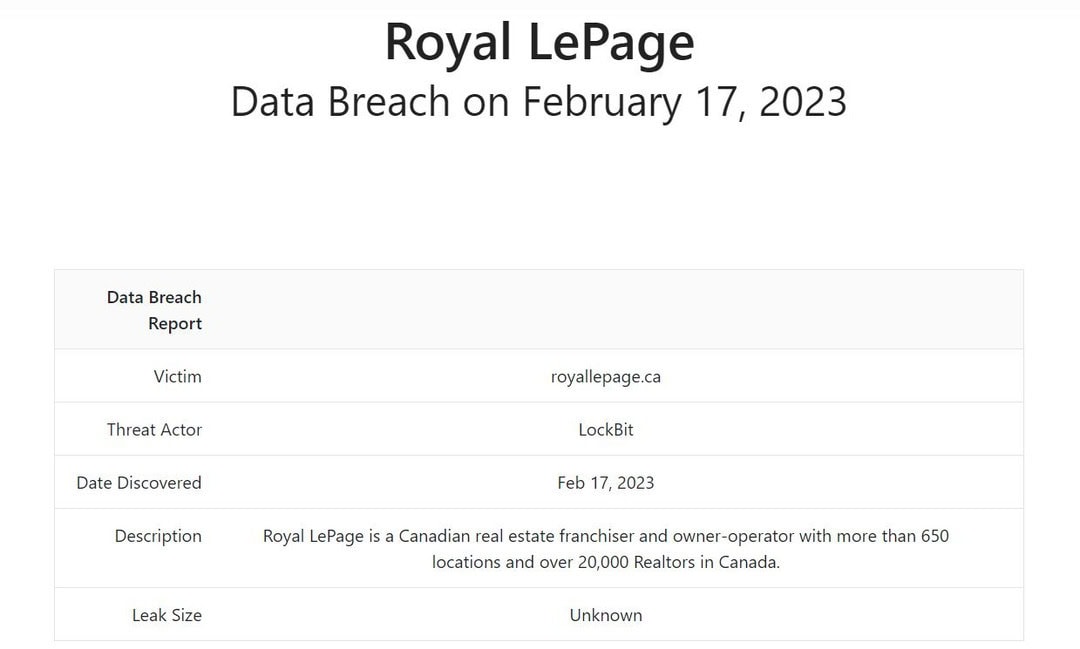
Real-World Example: The Royal LePage Data Breach
Implementing PIPEDA in Your Real Estate Website
To ensure your real estate website aligns with PIPEDA requirements:
Develop a clear privacy policy: Create a comprehensive, easily accessible privacy policy that outlines how you collect, use, and protect client information. For example, Ottawa-based real estate firm Keller Williams Solid Rock Realty provides a detailed privacy policy on their website, clearly explaining their data handling practices.
Obtain informed consent: Implement clear consent mechanisms for data collection. For instance, the Toronto Real Estate Board (TREB) requires its members to obtain explicit consent from clients before sharing their information on the Multiple Listing Service (MLS).
Limit data collection: Only collect information necessary for your real estate services. For example, when listing a property, collect only the details required for the listing, avoiding unnecessary personal information.
Secure data storage: Implement robust security measures to protect stored client information. Many Canadian real estate firms now use secure cloud storage solutions with Canadian data centers to ensure data sovereignty.
Provide access and correction rights: Allow clients to access their personal information and request corrections if needed.
Appoint a privacy officer: Designate a team member responsible for ensuring PIPEDA compliance and addressing privacy concerns. This is a common practice among larger Canadian real estate brokerages.
Best Practices for Collecting and Storing Client Information
Implementing best practices for data collection and storage is crucial for maintaining client trust and protecting your real estate business from potential legal issues or data breaches.
Secure Data Collection Methods
Use encrypted forms: Ensure all contact forms, property inquiry forms, and other data collection points on your website use SSL encryption. Nilead's platform automatically implements SSL encryption across all forms and data entry points.
Implement multi-factor authentication: Require additional verification steps for accessing sensitive areas of your website or client portals. Nilead offers built-in multi-factor authentication for both staff and client access.
Limit access to personal information: Restrict access to client data to only those team members who need it. Nilead's granular permission settings allow you to control exactly who can access what information.
Safe Data Storage Strategies
Choose secure cloud storage: Opt for reputable cloud storage providers with strong security measures and Canadian data centers. Nilead partners with top-tier Canadian data centers to ensure data sovereignty and security.
Implement regular backups: Maintain up-to-date backups of all client data. Nilead's system performs automatic daily backups, ensuring your data is always protected and recoverable.
Use strong encryption: Encrypt sensitive client data both in transit and at rest. Nilead employs industry-standard encryption protocols to protect your data at all times.
Conduct regular security audits: Perform periodic assessments of your data storage systems. Nilead's platform undergoes regular third-party security audits, with results available to clients for transparency.
Data Retention and Deletion
Develop a clear retention policy: Establish guidelines for how long you'll keep client data. Nilead's data management tools allow you to set custom retention periods in line with your policy and legal requirements.
Implement secure deletion processes: When it's time to delete data, ensure it's completely erased. Nilead uses secure deletion protocols that comply with PIPEDA's data deletion requirements.
Provide opt-out options: Allow clients to request the deletion of their data when no longer needed. Nilead's client management system includes built-in features for handling data deletion requests efficiently.
Implementing Secure Payment Gateways for Deposits or Rent Payments
Secure payment processing is critical for real estate websites handling deposits or rent payments. Implementing a robust, secure payment gateway protects both your clients' financial information and your business reputation.
Choosing a Secure Payment Gateway
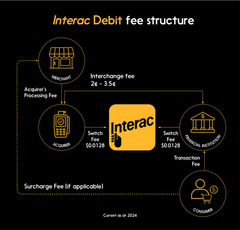
Nilead's platform integrates with PCI DSS compliant payment gateways, offering:
Strong encryption: Advanced encryption methods for data protection both in transit and at rest.
Tokenization: Replacing sensitive card data with unique identification symbols for enhanced security.
Fraud detection tools: Built-in fraud screening and prevention mechanisms.
Canadian compatibility: Full support for CAD transactions and compliance with Canadian financial regulations.
Enhancing Overall Website Security
Beyond specific data privacy and payment security measures, Nilead ensures robust overall security for your real estate website:
Secure hosting: Nilead uses reputable Canadian web hosting providers with strong security features, ensuring your website is protected at the server level.
Automatic updates: Nilead's platform automatically updates all system components, plugins, and themes, eliminating vulnerabilities from outdated software.
Web Application Firewall (WAF): A built-in WAF protects your website against common web threats like SQL injection and cross-site scripting.
Regular security scans: Nilead conducts routine vulnerability assessments on your website, proactively identifying and addressing potential security weaknesses.
Team training resources: Access to comprehensive cybersecurity training materials specifically designed for real estate professionals, helping your team stay informed about best practices.
Conclusion
In the competitive Canadian real estate market, prioritizing data privacy and security on your website isn't just about compliance—it's about building lasting trust with your clients. By implementing robust security measures, adhering to PIPEDA regulations, and choosing secure technologies, you position your real estate business as a trustworthy, professional entity that values client privacy. Take action today to review and enhance your website's data privacy and security measures. Your clients—and your business—will benefit from this commitment to protection and professionalism.
At Nilead, we specialize in creating secure, compliant, and effective digital solutions for Canadian real estate professionals. Our all-in-one platform ensures your website not only meets but exceeds privacy standards while delivering a seamless experience for your clients.
Schedule a free discovery session with Nilead today. Let's explore how we can enhance your online presence, protect your clients' data, and grow your real estate business—all while saving you time and resources. Your secure, compliant real estate website is just a conversation away!
Table of contents

About the author