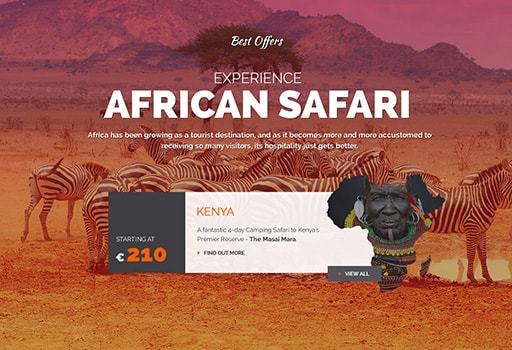





Welcome to the globalized era, where your travel website can reach corners of the Earth you never imagined. But are you really reaching everyone? Let's dive into why localizing content for a global audience is not just a good idea—it's a necessity.
The Global Nature of the Travel Industry
A report by the World Tourism Organization indicated that international tourist arrivals were about 1.5 billion in 2019. These numbers illuminate the endless possibilities for travel websites to captivate a global audience.
Why Localization is Vital
Consider the phrase, "When in Rome, do as the Romans do." It aptly encapsulates the need for localization. By adapting your content to local norms and languages, you significantly improve user engagement and can reap a higher ROI. A case study by Harvard Business Review demonstrates that localized strategies can boost revenue by up to 200%.
What is Content Localization?
Definition and Distinctions
Localization goes beyond mere translation; it's about making your content relatable to a local audience, factoring in their tastes, traditions, and culture.
The Importance of Cultural Context
For instance, advertising a beef burger in India—a country where cows are considered sacred—would be a massive cultural misstep. Studies like the one from Nielsen reiterate the significance of cultural context in marketing strategies.
How to Identify Target Markets for Localization
Step 1: Analyze Website Traffic
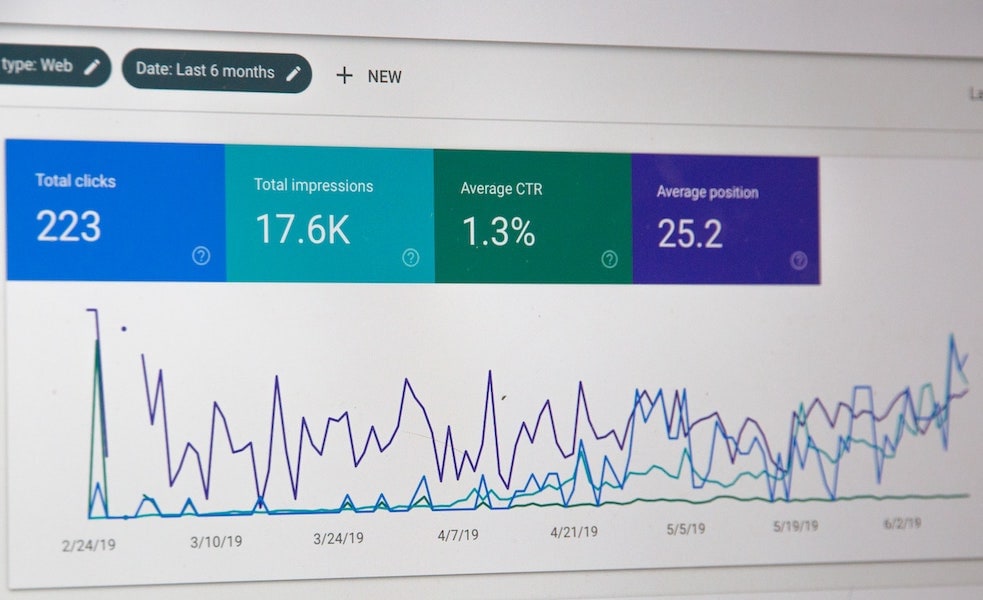
The first step in identifying target markets is to look at your website's traffic analytics. Tools like Google Analytics offer in-depth insights into the geographic location of your visitors.
Log in to Google Analytics and navigate to the "Audience" section.
Go to Geo > Location to see where your traffic is coming from.
Filter by country or city to focus on specific regions.
Step 2: Social Media Engagement Metrics
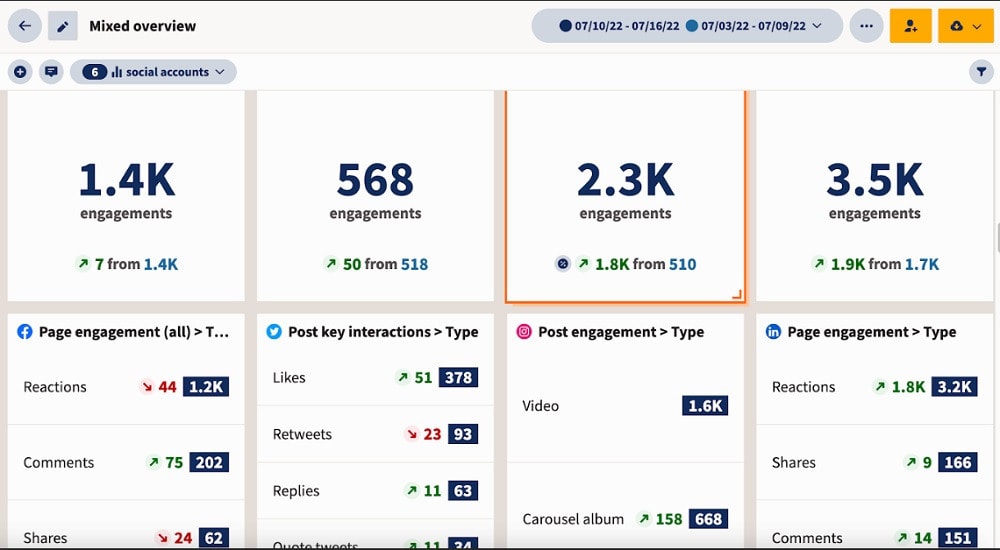
Social media is an excellent barometer for gauging interest in your services. Platforms like Facebook and Instagram provide analytics on the geographic distribution of your audience.
Log in to your social media analytics platform such as Facebook Insights.
Navigate to the Audience section to see the demographics and geographic information.
Analyze likes, shares, and comments to understand where high engagement comes from.
Step 3: Survey Your Audience
Use Survey Tools: Use online survey tools like SurveyMonkey to create a survey asking about users' localization preferences.
Ask Questions: Include questions about preferred languages, currency, and what improvements they would like to see.
Promote the Survey: Share this survey via email newsletters or social media.
Step 4: Assess Economic Viability
Before deciding on localization, it's crucial to assess the economic viability of the target market.
Market Research: Tools like Statista can provide economic data about various countries and sectors.
Cost-Benefit Analysis: Factor in the cost of localization and compare it against the potential revenue.
Step 5: Competitor Analysis
It's always beneficial to look at what markets your competitors are targeting.
Research: Use tools like SEMrush to see where your competitors are gaining traction.
Compare: Look at your own data and see how it measures up against your competitors. This can also help you identify any gaps or opportunities.
Case Studies: Learning from the Best
Airbnb and Booking.com offer great case studies for localization efforts.

By following these steps, you'll not only identify but also validate the most lucrative markets to localize your content for. It's an ongoing process that requires consistent data analysis and tweaks but the rewards are well worth the effort.
Key Components to Localize
Language, Currency, Images, Cultural References
These are the fundamental building blocks for effective localization.
Language
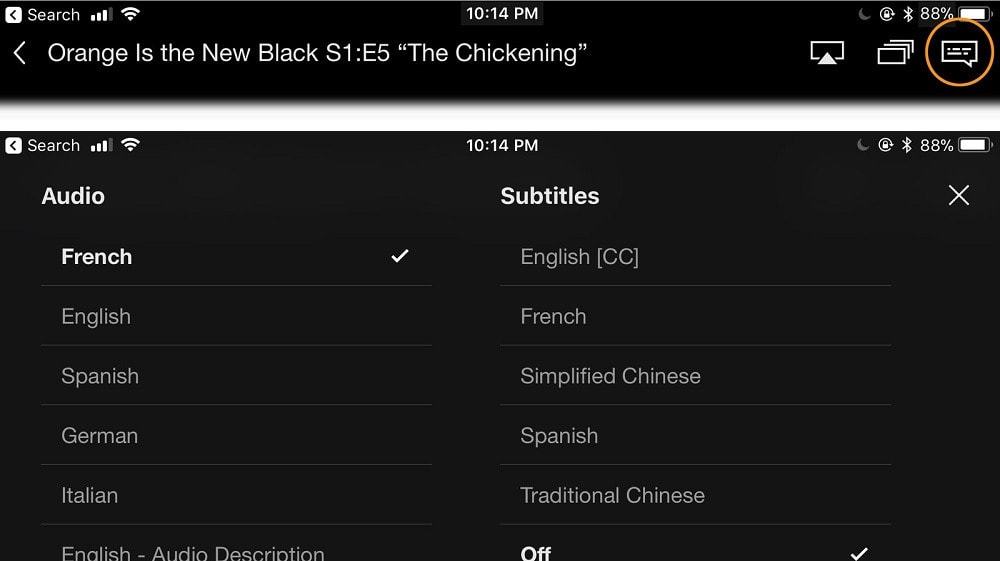
For example, when localizing for the French market, you'd have to ensure your website content is available in French. But that's not all—considering regional dialects and slang can be crucial.
Currency
Your pricing shouldn't just be converted; it should make sense in the local economic context.
If you're localizing for India, where the average income is generally lower compared to Western countries, you may consider altering the pricing strategy to fit local economic conditions.
Images
Visual elements should also resonate with the local culture.
Using an image of a family enjoying a meal together may work in the U.S., but in Japan, where there's a different set of dining etiquettes, the same image may not have the desired impact.
Cultural References
This can include colloquial phrases, idioms, or even humor.
A joke that might make an American audience laugh may not be funny—or even appropriate—in a conservative Middle Eastern market.
Translation vs. Localization
Detailed Comparison and Examples
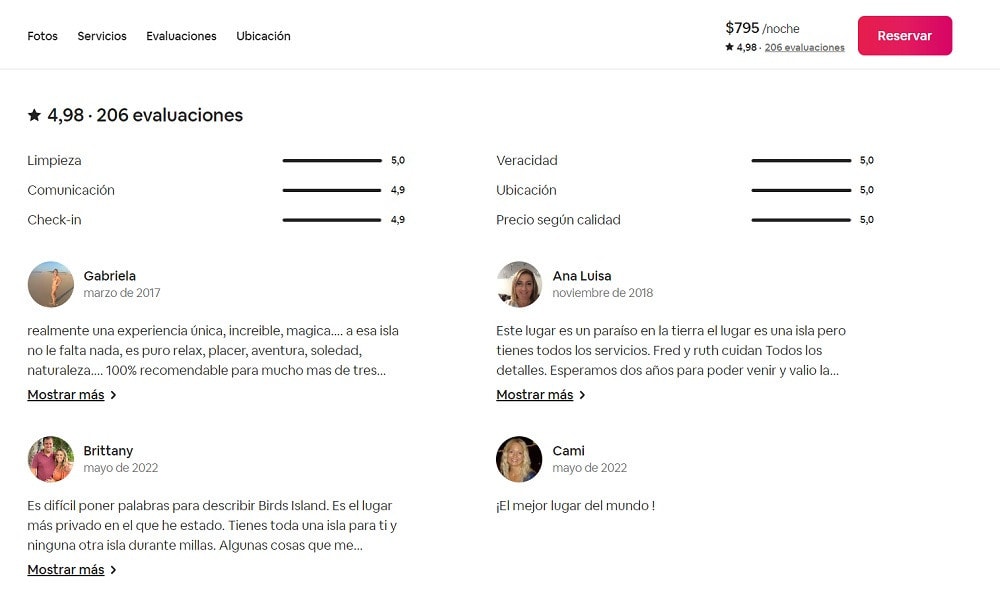
While translation is simply converting text from one language to another, localization covers a wider array of elements—images, layout, cultural references, etc.
SEO Considerations for Localization
Meta Descriptions, Keywords, Google Rankings
Your SEO efforts must be localized as well. For example:
Meta Descriptions: For a travel site aimed at Spanish users, changing a meta description from "Best Holiday Deals" to "Las Mejores Ofertas de Vacaciones" not only translates but localizes the content.
Keywords: In the U.S., you might use "vacation packages," but in the U.K., "holiday packages" is the more commonly used term.
Google Rankings: Google ranks pages differently in different countries. A page that ranks highly for "Best Hotels" in the U.S. may not even appear in the first few pages in France unless localized SEO efforts are made.
Tools and Platforms for Content Localization
CMS: WordPress users have a range of plug-ins like WPML and Polylang that can make the localization process more straightforward.
Third-party Tools: Platforms like Smartling or Transifex offer robust solutions for more complex localization needs.
Localizing your travel website isn't just a luxury—it's essential for capturing the global market effectively. Given the vast opportunities and proven ROI benefits, localization should be part of your core marketing strategy.
FAQs
What is content localization?
Content localization is the process of adapting your content to suit the local tastes, traditions, and culture of a particular market.
How does localization differ from translation?
Translation is merely changing text from one language to another, while localization involves a broader scope like adapting images, layouts, and cultural nuances.
Why is localization important in the travel industry?
With the globalization of the travel industry, localizing content allows you to connect effectively with a global audience, leading to higher engagement and ROI.
What are some recommended best practices for content localization?
Some best practices include conducting market research, engaging native translators, and running A/B tests to ensure the content resonates with the local audience.
What tools can I use for content localization?
You can use CMS features or third-party tools like Smartling for effective content localization.
Table of contents

About the author