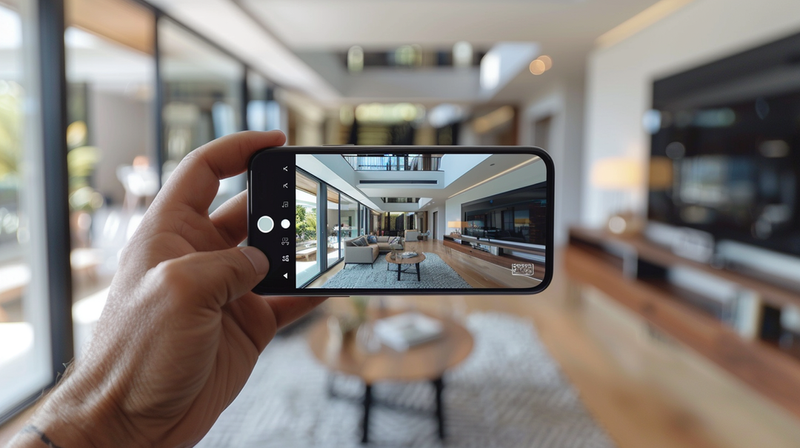





Imagine a real estate website that works 24/7, knows what clients want before they do, and offers virtual property tours on demand. Sound futuristic? It's happening now.
AI, VR, and chatbots are revolutionizing real estate online. The best part? You don't need a massive budget to get in on the action.
In this guide, we'll show you how SMBs can leverage these technologies to create websites that compete with the big players. Get ready to transform your online presence and watch your conversions soar.
Let's dive into the future of real estate tech—no rocket science degree required.
Artificial Intelligence: The Game-Changer for Real Estate Websites
Artificial Intelligence (AI) is revolutionizing the way real estate businesses operate online. By leveraging AI, you can create a more personalized, efficient, and engaging experience for your website visitors.
Key AI Applications for Real Estate Websites
Predictive Property Recommendations: AI algorithms can analyze user behavior and preferences to suggest relevant properties, increasing engagement and conversion rates.
Automated Valuation Models (AVMs): Implement AI-powered AVMs to provide instant, accurate property valuations, attracting more leads and establishing your expertise.
Smart Search Functionality: Enhance your website's search capabilities with AI to understand and interpret complex user queries, delivering more accurate results.
Personalized Content Delivery: Use AI to tailor content, email campaigns, and property suggestions based on individual user preferences and browsing history.
Implementation Tips
Start with a robust Customer Relationship Management (CRM) system that integrates AI capabilities.
Invest in quality data collection and management to fuel your AI algorithms effectively.
Gradually introduce AI features, starting with those that address your most pressing business needs.
Regularly analyze AI performance metrics and adjust algorithms for continuous improvement.
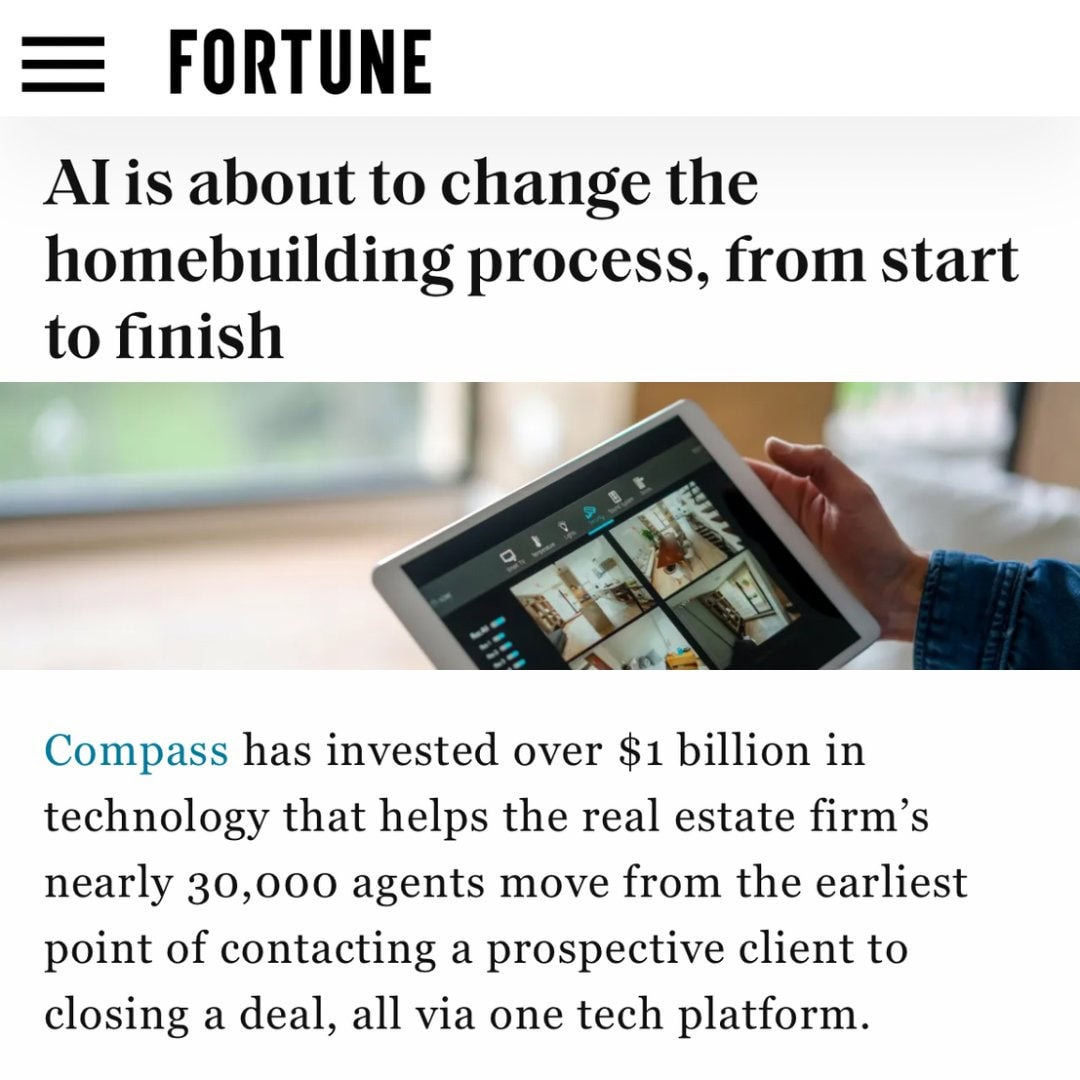
Virtual Reality: Bringing Properties to Life Online
Virtual Reality (VR) technology is transforming how potential buyers and renters interact with properties online. By integrating VR into your real estate website, you can offer immersive, engaging experiences that set you apart from the competition.
Benefits of VR for Real Estate Websites
360-Degree Virtual Tours: Allow users to explore properties in detail from the comfort of their homes, saving time and resources for both clients and agents.
Virtual Staging: Showcase the potential of empty spaces or visualize renovation possibilities, helping clients see beyond the current state of a property.
Interactive Floor Plans: Offer interactive, 3D floor plans that allow users to visualize layouts and spatial relationships more effectively than traditional 2D plans.
Virtual Neighborhood Tours: Provide immersive tours of surrounding areas, giving potential buyers a better sense of the community and local amenities.
Implementation Strategies
Start with high-quality 360-degree photography or 3D scanning of your properties.
Invest in user-friendly VR software that integrates seamlessly with your website platform.
Ensure your VR experiences are mobile-compatible for broader accessibility.
Provide clear instructions and support for users who may be new to VR technology.
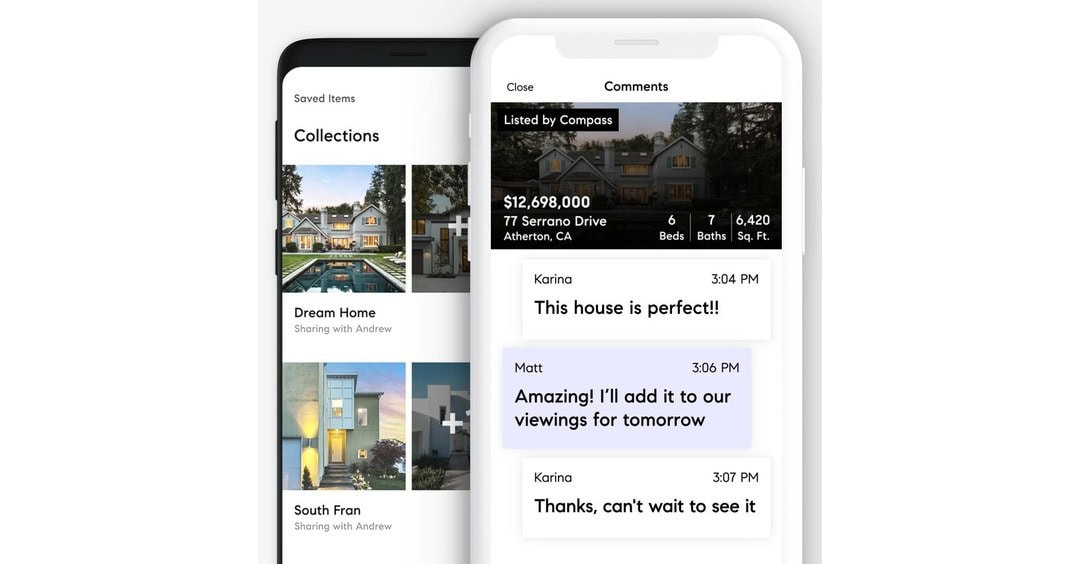
Chatbots: 24/7 Customer Service for Your Real Estate Website
Integrating chatbots into your real estate website can significantly enhance customer service, lead generation, and overall user experience. These AI-powered assistants can handle inquiries around the clock, ensuring that potential clients always have access to information and support.
Key Chatbot Functions for Real Estate Websites
Instant Property Information: Provide quick answers to questions about property details, pricing, and availability.
Lead Qualification: Use chatbots to gather initial information from potential clients, qualifying leads before human intervention.
Appointment Scheduling: Allow users to schedule property viewings or consultations directly through the chatbot interface.
FAQs and Support: Address common questions about the buying or renting process, reducing the workload on your human team.
Best Practices for Chatbot Implementation
Design conversation flows that feel natural and align with your brand voice.
Integrate your chatbot with your CRM system for seamless lead management.
Implement machine learning capabilities to improve responses over time.
Provide clear options for users to escalate to human support when needed.

Bringing It All Together: Creating a Seamless Tech-Enabled Experience
While each of these technologies offers significant benefits on its own, the true power lies in their integration. By combining AI, VR, and chatbots, you can create a cohesive, tech-enabled experience that guides users through their entire property search journey.
Integration Strategies
AI-Powered Personalization + VR Tours: Use AI to recommend relevant VR tours based on user preferences and browsing history.
Chatbots + VR Experiences: Enable chatbots to guide users through VR tours, answering questions and providing additional information in real-time.
AI Analytics + Chatbot Interactions: Leverage AI to analyze chatbot conversations, continually improving responses and identifying trending topics or concerns.
VR Data + AI Insights: Use data from VR interactions to refine AI algorithms, creating more accurate property recommendations and valuations.
Implementation Tips
Start with a solid foundation: Ensure your website's basic functionality and user experience are optimized before adding advanced features.
Prioritize mobile responsiveness: With over 50% of real estate searches now conducted on mobile devices, ensure all tech integrations work seamlessly on smartphones and tablets.
Focus on data security: Implement robust security measures to protect user data and build trust with your clients.
Provide user education: Offer clear guides and tutorials to help users make the most of your website's advanced features.
Continuously gather feedback: Regularly solicit user feedback to identify areas for improvement and new feature opportunities.

Conclusion
Integrating cutting-edge technologies like AI, VR, and chatbots into your real estate website is no longer a luxury – it's a necessity for staying competitive in today's digital landscape. By leveraging these tools, SMBs in the real estate industry can create immersive, personalized experiences that rival those of larger competitors, all while streamlining operations and improving customer engagement.
As you embark on this technological journey, remember that the key to success lies not just in implementing these technologies, but in doing so thoughtfully and strategically. Start by identifying your specific business needs and goals, then gradually introduce features that address those priorities. Continuously gather user feedback and analyze performance metrics to refine and improve your tech-enabled offerings over time.
By embracing these innovations, you're not just upgrading your website – you're future-proofing your business and positioning yourself at the forefront of the real estate industry. The future of real estate is digital, personalized, and immersive. Are you ready to lead the way?
Ready to transform your real estate website with cutting-edge technology? Nilead's AI-powered platform offers seamless integration of website building, content management, CRM, and email marketing – all the tools you need to create a tech-enabled real estate powerhouse. Schedule your free discovery session today and learn how Nilead can help you implement AI, VR, and chatbot solutions tailored to your unique business needs. Don't just keep up with the competition – outpace them with Nilead's innovative, all-in-one digital marketing solution.
Table of contents

About the author