





For lawyers and law firms, SGE isn't just another tech buzzword—it's a paradigm shift that's redefining how clients find and engage with legal information online. In this new era, your content isn't just competing for clicks; it's vying to be the authoritative voice that SGE chooses to answer users' legal queries.
This guide will take you beyond basic SEO tactics, diving deep into the strategies that will position your firm as the go-to source for legal information in the age of AI-driven search. We'll explore how to craft content that not only captures SGE's attention but also resonates with the human stories behind every legal query.
Key Takeaways:
As we embark on this journey through SGE content marketing for lawyers, keep these critical points in mind:
SGE Content Preferences: Understanding the type of legal content that SGE favors is crucial for visibility.
Content Strategy Evolution: Learn how to evolve your content strategy to meet both SGE and user needs.
Format Diversification: Discover why diversifying your content formats is more important than ever.
Performance in the SGE Era: Gain insights into new ways of measuring content success.
Adaptive Content Approach: Learn the art of adapting existing content for SGE without starting from scratch.
Understanding SGE's Content Preferences
SGE represents a significant shift in how search engines deliver information to users. Instead of just providing a list of links, SGE generates concise, informative answers directly in the search results. For lawyers, this means adapting your content to fit SGE's preferences:
Comprehensive, Authoritative Content: SGE favors in-depth, expertly written content that thoroughly covers legal topics.
Question-Focused Structure: Content that directly addresses specific legal questions tends to perform well in SGE.
Clear, Concise Language: While comprehensive, your content should still be easy to understand for non-legal experts.
Structured Data: Properly implemented schema markup helps SGE understand and categorize your legal content.
E-E-A-T Signals: Content that demonstrates Experience, Expertise, Authoritativeness, and Trustworthiness is prioritized by SGE.

Key SGE Content Marketing Strategies for Lawyers
To thrive in the SGE era, lawyers need to adopt a more nuanced approach to content creation. The goal is to create content that serves both SGE's algorithmic preferences and the genuine needs of your potential clients.
Creating Comprehensive, Question-Focused Content
Instead of broad, general topics, focus on addressing specific legal questions that your clients are asking. For example, rather than a generic page about "Divorce Law," consider creating in-depth content on topics like "How Does the Divorce Process Work in [Your State]? A Step-by-Step Guide."
This approach allows you to dive deep into the nuances of the legal process, addressing common concerns and misconceptions along the way. Break down complex legal concepts into understandable language, using real-world examples to illustrate key points. This not only helps potential clients but also signals to SGE that your content is thorough and user-focused.
Structuring Content for Enhanced Visibility
While we're moving away from rigid list formats, it's still important to structure your content in a way that's easy for both SGE and users to parse. Use clear, descriptive headers to break up your content into logical sections. Each section should flow naturally into the next, creating a comprehensive narrative around the legal topic.
Consider using a 'hub and spoke' model for your content. Create a central, comprehensive piece on a broad legal topic (the hub), and link it to more specific, detailed articles (the spokes). This approach not only provides in-depth coverage but also creates a network of interlinked content that SGE can easily navigate and understand.
Developing Strong E-E-A-T Signals
In the legal field, establishing your expertise and trustworthiness is paramount. Go beyond simply stating your credentials. Share case studies (with client permission and anonymized details) that demonstrate your experience in handling complex legal matters. Regularly publish thought leadership pieces on emerging legal trends or recent court decisions to showcase your ongoing engagement with the field.
Collaborate with other legal experts for co-authored pieces or expert interviews. This not only adds diverse perspectives to your content but also strengthens your authority in the eyes of both SGE and potential clients.
Leveraging Local Content for SGE
For many legal queries, location is crucial. SGE understands this and often prioritizes locally relevant content. Create content that specifically addresses the legal landscape in your jurisdiction. Discuss local court procedures, state-specific laws, and how they might differ from general legal principles.
Incorporate local case examples and statistics to make your content more relevant and valuable to your specific audience. This localization not only helps with SGE visibility but also establishes your firm as an authority in your specific legal community.

Content Formats that Excel in SGE
In the SGE era, diversifying your content formats is more important than ever. Different formats allow you to cater to various learning styles and user preferences, increasing the chances of your content being featured in SGE results.
Long-form Guides and Articles
Create comprehensive guides on complex legal topics (1500+ words).
Break down the content into clear, navigable sections.
Include a table of contents for easy navigation.
For example, you could present a hypothetical startup's journey, highlighting the legal considerations at each stage of its growth. This narrative approach not only makes the content more engaging but also helps readers understand how legal principles apply in practical situations.
FAQ Pages and Q&A Content
Develop extensive FAQ sections for each practice area.
Structure Q&A content using proper schema markup.
Address both basic and complex legal questions.
For example, in a section about child custody, you might start with "What factors do courts consider in child custody cases?" and follow up with questions about joint custody, visitation rights, and modifying custody agreements. This approach creates a more cohesive reading experience while still directly addressing common client questions.
Video Content and Transcripts
Create informative legal videos explaining complex topics.
Always include accurate transcripts for accessibility and SGE indexing.
Optimize video titles and descriptions with relevant legal keywords.
Additionally, consider creating video snippets for social media to drive traffic back to your full-length content.
Infographics and Visual Content
Develop infographics that explain legal processes or compare legal options.
Include alt text and descriptive captions for all visual content.
Embed infographics in relevant blog posts or guides for added context.
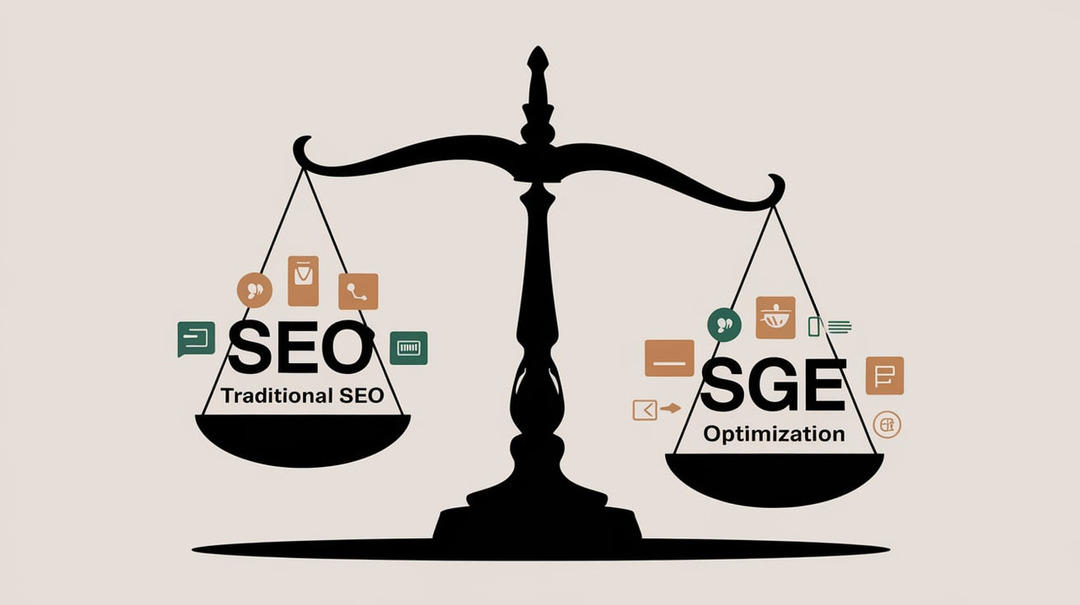
Optimizing Existing Content for SGE
Conduct a Content Audit:
Review all existing content for relevance and accuracy.
Identify top-performing pages that can be further optimized for SGE.
Look for content gaps that can be filled with new SGE-optimized pieces.
Update and Expand Existing Content:
Add more comprehensive information to thin content.
Update any outdated legal information.
Restructure content to follow SGE-friendly formats (e.g., Q&A structure).
Implement Proper Formatting and Schema:
Add clear headers (H1, H2, H3) to structure content logically.
Implement FAQ, HowTo, and other relevant schema markups.
Ensure all pages have meta descriptions optimized for SGE.
Repurpose Content for Different Formats:
Turn popular blog posts into video content.
Create infographics from statistics-heavy articles.
Develop podcast episodes based on your most successful written content.
Measuring Content Performance in SGE
Key Metrics to Track:
Featured snippet appearances
Click-through rates (CTR) from search results
Time on page and bounce rates
Conversion rates (e.g., consultation bookings)
Voice search performance
Tools for Monitoring SGE Content Performance:
Google Search Console: Track search performance and featured snippets.
Google Analytics: Monitor user behavior and engagement metrics.
SEMrush or Ahrefs: Analyze keyword performance and content gaps.
Nilead's integrated analytics: Get comprehensive insights into your content's SGE performance.
Measuring Content Performance in SGE
Key Metrics to Track:
Featured snippet appearances
Click-through rates (CTR) from search results
Time on page and bounce rates
Conversion rates (e.g., consultation bookings)
Voice search performance
Tools for Monitoring SGE Content Performance:
Google Search Console: Track search performance and featured snippets.
Google Analytics: Monitor user behavior and engagement metrics.
SEMrush or Ahrefs: Analyze keyword performance and content gaps.
Nilead's integrated analytics: Get comprehensive insights into your content's SGE performance.
How Nilead Can Help
At Nilead, we understand the unique challenges lawyers face in the ever-changing digital marketing landscape. Our all-in-one platform is designed to simplify SGE optimization for law firms:
Content Creation Tools: Our AI-powered content assistant helps you create SGE-optimized legal content efficiently.
SEO Optimization: Built-in SEO tools ensure your content is fully optimized for both traditional search and SGE.
Performance Analytics: Track your content's SGE performance with our comprehensive analytics dashboard.
Schema Markup Integration: Automatically implement the right schema markup for your legal content.
Multi-format Support: Easily create and manage various content formats, from blog posts to videos and infographics.
Conclusion
Remember, SGE optimization is an ongoing process. Stay informed about SGE developments, continually refine your content strategy, and always prioritize providing value to your audience. With persistence and the right approach, your law firm can thrive in the SGE era.
Ready to elevate your law firm's content marketing strategy for the SGE era? Schedule a free consultation with Nilead today. Let's explore how our platform can help your firm create compelling, SGE-optimized content that drives results.
FAQs about SGE Content Marketing for Lawyers
How often should I update my legal content for SGE?
Aim to review and update your core legal content at least quarterly, or more frequently if there are significant changes in laws or regulations.
Can I repurpose my existing content for SGE?
Yes, existing content can often be optimized for SGE by restructuring it to answer specific questions, adding more comprehensive information, and implementing proper schema markup.
How long does it take to see results from SGE content optimization?
While results can vary, many law firms start seeing improvements in SGE visibility within 3-6 months of implementing a consistent SGE content strategy.
Is video content necessary for SGE success in the legal field?
While not absolutely necessary, video content can significantly enhance your SGE performance by providing another format for SGE to draw information from, especially when accompanied by accurate transcripts.
How does local SEO fit into SGE content marketing for lawyers?
Local SEO remains crucial in SGE, as many legal queries have local intent. Incorporate location-specific content and ensure your Google My Business profile is optimized for best results in local SGE searches.
Table of contents

About the author