





Imagine you're a small law firm that's been serving your local community for years. You've built a solid reputation, but lately, you've noticed a decline in new client inquiries. Your website, once a reliable source of leads, seems to be lost in the vast sea of online legal information. Sound familiar?
That's why we've created this comprehensive guide to help you navigate the world of SGE-optimized user experience (UX) for your law firm's website. By the end of this article, you'll have actionable strategies to boost your online visibility and engage more potential clients.
Key Takeaways:
Understand how SGE evaluates and prioritizes user experience
Learn practical strategies to optimize your website's structure for SGE
Discover how to create SGE-friendly content that resonates with potential clients
Explore the importance of mobile optimization in the SGE era
Gain insights into measuring and improving your website's SGE performance
Let's dive in and unlock the potential of SGE for your law firm!
Understanding SGE's UX Preferences
To optimize your law firm's website for SGE, it's crucial to understand how this AI-powered system evaluates user experience. Think of SGE as a discerning client, looking for websites that offer the most user-friendly, informative, and authoritative experience.

Key UX factors influencing SGE rankings include:
Page Load Speed: SGE favors fast-loading pages. A study by Google found that as page load time increases from 1 to 3 seconds, the probability of a user bouncing increases by 32%.
Mobile Responsiveness: With over 60% of legal searches now happening on mobile devices (American Bar Association, 2023), SGE heavily favors mobile-friendly websites.
Clear Information Architecture: SGE prefers websites with logical, easy-to-navigate structures.
Comprehensive Content: Sites that answer user questions thoroughly and authoritatively tend to rank higher in SGE results.
Engagement Metrics: SGE considers factors like time on site and bounce rate as indicators of user satisfaction.
Understanding these preferences is the first step in optimizing your law firm's website for SGE. In the following sections, we'll explore practical strategies to implement these insights.
Designing Law Firm Sites for SGE Visibility
Creating an SGE-friendly website structure doesn't require a complete overhaul. Instead, focus on these key areas:
Site Structure and Information Architecture:
Organize your content into clear, logical categories (e.g., Practice Areas, About Us, Resources, Contact)
Use descriptive, keyword-rich URLs (e.g., www.yourfirm.com/practice-areas/family-law)
Create a clear hierarchy with your main services prominently featured
Effective Use of Headers and Subheaders:
Use H1 tags for your main page title
Structure your content with H2, H3, and H4 tags to create a clear content hierarchy
Include relevant keywords in your headers naturally
Implementing Schema Markup: Schema markup helps search engines understand the context of your content. For law firms, consider implementing:
LocalBusiness schema: Highlights your firm's contact information and location
Attorney schema: Showcases your lawyers' credentials and expertise
FAQPage schema: Structures your FAQ content for potential featured snippets
By implementing these strategies, you're not just optimizing for SGE—you're creating a better experience for your potential clients, making it easier for them to find the information they need and take the next step in engaging your services.
Optimizing Legal Service Pages for SGE
Your service pages are often the first point of contact between your firm and potential clients. Here's how to make them SGE-friendly and client-centric:
Creating User-Friendly, SGE-Optimized Service Descriptions:
Start with a clear, concise explanation of the service
Use bullet points to highlight key aspects or benefits
Include relevant statistics or case results (e.g., "We've helped over 500 families resolve custody disputes")
Incorporate natural language that mirrors how clients might describe their legal needs
Structuring Practice Area Pages:
Use a clear, descriptive H1 title (e.g., "Family Law Services in New York City")
Break content into logical sections with H2 and H3 subheaders
Include a brief FAQ section addressing common client questions
Add a clear call-to-action (CTA) for scheduling consultations or learning more
Incorporating Effective FAQ Sections: FAQs are not just useful for clients—they're gold for SGE. Here's how to structure them:
Use question-style H2 or H3 tags for each FAQ
Provide concise yet comprehensive answers
Group related FAQs together
Update FAQs regularly based on actual client inquiries
Key takeaway: By structuring your content to directly address client needs and search intents, you're not just optimizing for SGE—you're providing real value to potential clients at their moment of need.
Enhancing Client Testimonial Impact in the SGE Era
Client testimonials are powerful trust signals, both for potential clients and for SGE. Here's how to maximize their impact:
Structuring Testimonials for SGE and Human Readers:
Use schema markup to help SGE understand and potentially feature your testimonials
Include the client's full name (with permission) and relevant details (e.g., case type, location)
Keep testimonials concise but detailed enough to be meaningful
Leveraging Rich Snippets for Testimonials: Rich snippets can make your testimonials stand out in search results.
Integrating Testimonials Throughout Your Site:
Feature a rotating testimonial on your homepage
Include relevant testimonials on practice area pages
Create a dedicated testimonials page with filters for different practice areas
According to a 2023 study by the Legal Marketing Association, law firm websites with prominently featured client testimonials saw a 35% higher engagement rate compared to those without.

Creating SGE-Friendly Navigation Structures
Navigation is crucial for both user experience and SGE performance. Here's how to create an intuitive, SGE-friendly navigation structure:
User-Centric Menu Design:
Use clear, descriptive labels (e.g., "Family Law" instead of "Services")
Limit main menu items to 7 or fewer to avoid overwhelming users
Consider using a mega menu for firms with multiple practice areas
Ensure menu items are easily clickable on mobile devices
Implementing Breadcrumbs: Breadcrumbs help users understand their location on your site and improve SGE's understanding of your site structure. Here's how to implement them:
Use schema markup to enhance SGE understanding
Place breadcrumbs near the top of the page
Use clear, concise labels
Include the current page in the breadcrumb trail
Example breadcrumb structure: Home > Practice Areas > Family Law > Divorce
Internal Linking Strategies:
Link related practice areas and services
Use descriptive anchor text for links (e.g., "Learn more about our divorce mediation services")
Create a robust internal linking structure in your blog posts
Consider adding a "Related Services" section on each practice area page
Mobile Optimization Strategies for Legal SGE Queries
With the majority of legal searches now happening on mobile devices, mobile optimization is no longer optional—it's essential for SGE success.
Importance of Mobile-First Design: According to a 2023 Google study, 57% of users say they won't recommend a business with a poorly designed mobile site. For law firms, this translates to potential lost clients.
Optimizing Page Speed on Mobile:
Compress images and use next-gen formats like WebP
Minimize code (HTML, CSS, JavaScript)
Leverage browser caching
Use a content delivery network (CDN)
Tool recommendation: Use Google's PageSpeed Insights to analyze and optimize your mobile site speed.
Creating Touch-Friendly Interfaces:
Use large, easily tappable buttons (minimum 44x44 pixels)
Ensure adequate spacing between clickable elements
Implement a mobile-friendly menu (e.g., hamburger menu)
Make phone numbers click-to-call
Expert Opinion: Sarah Johnson, mobile UX specialist, states: "For law firms, mobile optimization is about more than just responsive design. It's about creating an experience that allows potential clients to easily find information and take action, whether that's reading about your services or scheduling a consultation, all from their smartphone."
Implementing Interactive Elements for Enhanced UX
Interactive elements can significantly boost engagement and provide value to potential clients, factors that SGE considers in its rankings.
Legal Fee Calculators: Create simple calculators to help potential clients estimate costs for common services. For example:
Divorce cost estimator
Estate planning fee calculator
Personal injury settlement estimator
Chatbots for Initial Client Inquiries:
Pros:
24/7 availability for basic questions
Can qualify leads before human interaction
Reduces workload on staff
Cons:
May frustrate users if not well-designed
Cannot replace human empathy in sensitive legal matters
Requires regular updates to remain accurate
Virtual Consultation Booking Systems:
Integrate with your firm's calendar
Allow clients to choose consultation type (phone, video, in-person)
Send automatic reminders to reduce no-shows
Include a brief questionnaire to gather basic case information

Accessibility Considerations for SGE:
Accessibility is not just about compliance—it's about inclusivity and improved user experience for all, which aligns perfectly with SGE's priorities.
How Accessibility Impacts SGE Performance:
Improved User Metrics: Accessible sites often have lower bounce rates and higher time-on-site, positive signals for SGE.
Broader Audience Reach: Accessible content can be consumed by more users, increasing potential engagement.
Enhanced Crawlability: Many accessibility features also make your site easier for search engines to crawl and understand.
Measuring UX Success in the SGE Era:
To continually improve your website's performance in SGE, it's crucial to track the right metrics and use appropriate tools.
New UX Metrics Relevant to SGE:
Zero-Click Satisfaction Rate: Measure how often users find the information they need directly in SGE results without clicking through.
Featured Snippet Appearance: Track how often your content appears in SGE-generated summaries.
Voice Search Compatibility: Monitor how well your content performs in voice-based queries.
Page Experience Signals: Keep an eye on Core Web Vitals, which are key to SGE's evaluation of user experience.
Tools for Tracking SGE-Specific UX Performance:
Google Search Console: Monitor your performance in search results, including SGE features.
SEMrush: Track your featured snippet opportunities and performance.
Screaming Frog: Analyze your site structure and identify technical SEO issues that could impact SGE performance.
Hotjar: Use heatmaps and session recordings to understand how users interact with your site.
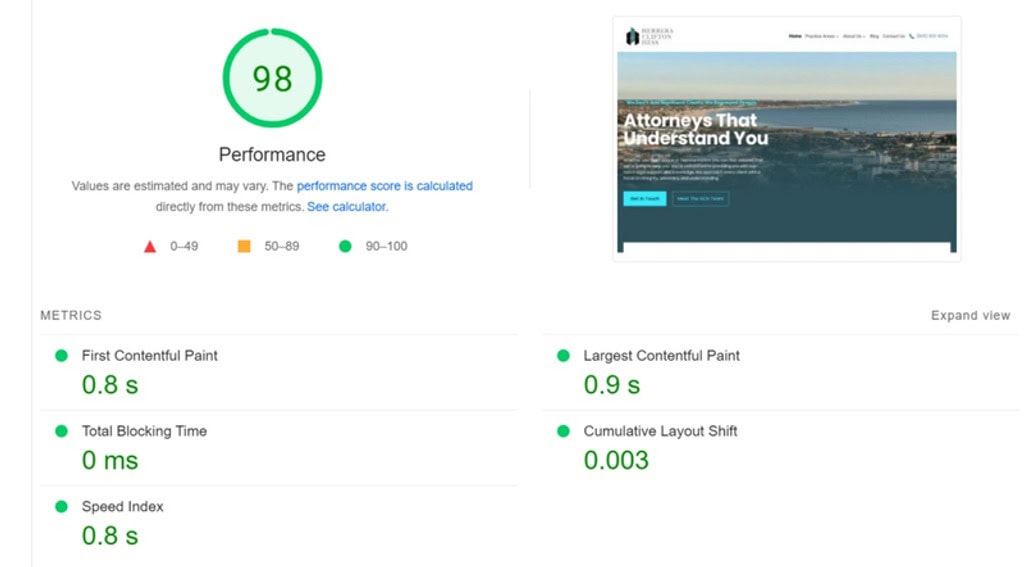
How Nilead Simplifies SGE Optimization for Law Firms
At Nilead, we understand that as a small or medium-sized law firm, you're focused on practicing law and serving your clients—not keeping up with the latest in search engine technology. That's where we come in.
Our all-in-one platform is designed specifically to help law firms like yours navigate the complexities of digital marketing in the SGE era:
User-Friendly Website Builder: Create SGE-optimized websites without any coding knowledge. Our templates are designed with legal firms in mind and incorporate all the UX best practices we've discussed.
Content Optimization Tools: Our built-in SEO tools help you create content that resonates with both potential clients and SGE, improving your visibility for key legal search terms.
Mobile Optimization: All our website templates are mobile-responsive out of the box, ensuring your site looks great and functions perfectly on any device.
Schema Markup Integration: We automatically implement the right schema markup for law firms, helping SGE understand and showcase your content.
Performance Monitoring: Track your SGE performance with our easy-to-understand analytics dashboard, designed specifically for law firm metrics.
Ongoing Support and Updates: As SGE evolves, so does our platform. We keep you up-to-date with the latest optimization strategies, so you're always a step ahead.
Ready to boost your law firm's visibility in the age of SGE? Take the first step towards a more effective online presence with Nilead. Sign up for our free SGE readiness audit today and discover how we can help your firm thrive in the digital landscape.
FAQs
How long does it take to see results from SGE optimization?
While results can vary, many law firms start seeing improvements in visibility and engagement within 3-6 months of implementing SGE optimization strategies.
Do I need to completely redesign my website for SGE?
Not necessarily. While a redesign can be beneficial, many SGE optimization strategies can be implemented on existing websites. Start with content optimization and gradually implement other changes.
How often should I update my website content for SGE?
Regular updates are beneficial. Aim to review and refresh your main service pages quarterly, and add new content (like blog posts or FAQs) at least monthly.
Can SGE optimization help with local search visibility?
Absolutely! Many of the strategies we've discussed, particularly those involving schema markup and mobile optimization, can significantly boost your local search visibility.
How does Nilead stay updated with SGE changes?
Our team of SEO experts constantly monitors SGE developments and updates our platform accordingly. As a Nilead customer, you'll always have access to the latest SGE optimization strategies.
Table of contents

About the author