





In the cutthroat arena of US legal services, your law firm's online presence can make or break your success. Imagine potential clients finding your firm first, understanding your expertise instantly, and choosing you over the competition – all because of a few lines of code. This isn't legal fantasy; it's the power of schema markup, the secret weapon that's revolutionizing how law firms appear in search results. Whether you're a seasoned attorney or a fresh face in the legal world, this guide will arm you with the knowledge to transform your digital footprint and attract more clients than ever before. Buckle up as we dive into the world of schema markup and unlock your firm's true online potential.
Understanding Schema Markup for US Law Firms
What exactly is schema markup, and why should your law firm care? Simply put, schema markup is a form of structured data that helps search engines understand the content on your website more effectively. It's like providing a detailed roadmap of your site's content to search engines, allowing them to present your information more accurately and attractively in search results.
For US law firms, schema markup can be a game-changer. It can help you:
Stand out in search results with rich snippets
Improve your local SEO, crucial for attracting nearby clients
Showcase your attorneys' expertise and credentials
Highlight specific practice areas and services
According to a study by Search Engine Land, pages with schema markup rank an average of four positions higher in search results compared to pages without it. That's a significant advantage in the competitive legal market!
Types of Schema Markup Relevant to US Law Firms
Understanding the various types of schema markup is crucial for US law firms looking to maximize their online presence. Each schema type serves a specific purpose and can be leveraged to highlight different aspects of your legal practice. Let's explore the most relevant schema types for law firms:
LocalBusiness and Attorney Schema
This schema type is fundamental for any law firm with a physical presence. It helps search engines understand your firm's basic information and display it prominently in local search results.
Key elements include:
Business name
Address
Phone number
Operating hours
Geographic coordinates
Areas of practice
Organization Schema
Organization schema provides overarching information about your law firm as an entity. It's particularly useful for establishing your firm's identity and reputation in search results.
Important details to include:
Firm name and logo
Founding date
Social media profiles
Contact information
Type of organization (e.g., LLP, Professional Corporation)
Person Schema
For law firms, Person schema is invaluable for highlighting individual attorneys. It allows you to showcase the expertise and credentials of your legal team.
Crucial information to mark up:
Name and job title
Educational background
Bar admissions
Awards and recognitions
Areas of expertise
FAQPage Schema
This schema type is excellent for organizing frequently asked legal questions. It can help your content appear in featured snippets and "People Also Ask" sections of search results.
Best practices:
Focus on common legal questions in your practice areas
Provide clear, concise answers
Update regularly based on changing laws or regulations
WebSite Schema
WebSite schema improves your site's overall appearance in search results, potentially leading to enhanced sitelinks.
Key elements:
Site name
URL
Search functionality
Potential actions (e.g., "Contact Us")
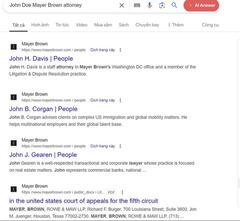
Additional schema types to consider:
Article schema for blog posts and legal updates
Event schema for webinars, seminars, or legal workshops
Review schema for client testimonials (where ethically permissible)
Service schema for detailed descriptions of legal services
By strategically implementing these schema types, US law firms can create a comprehensive digital presence that communicates their expertise, services, and value proposition effectively to both search engines and potential clients.
Implementing Basic Schema Markup for US Law Firms
Implementing basic schema markup is a crucial first step for any US law firm looking to enhance its online presence. This foundational layer of structured data helps search engines understand and display your firm's essential information accurately. Let's break down the process and key elements:
a) NAP (Name, Address, Phone) Information Markup: NAP consistency is crucial for local SEO. Use schema to markup:
Firm name (exactly as it appears elsewhere online)
Physical address (including street, city, state, and ZIP code)
Phone number (with country code)
b) Office Hours and Service Area Markup: Clearly communicate when and where your firm operates:
Regular office hours
Special hours (e.g., for consultations)
Geographic service area
c) Accepted Payment Methods and Price Range: Provide transparency about financial matters:
List accepted payment methods
Indicate price range (if applicable and ethically permissible)

Implementation tips:
Use Google's Structured Data Markup Helper to generate initial code.
Validate your schema using Google's Rich Results Test before publishing.
Ensure consistency across all online platforms (website, social media, directories).
Update your schema whenever your firm's information changes.
Consider using a plugin or extension if you're using a popular CMS like WordPress.
By implementing these basic schema elements, your law firm creates a strong foundation for search engines to understand and display your essential information. This increased clarity can lead to improved local search rankings, enhanced visibility in search results, and ultimately, more potential clients finding and choosing your firm.
Advanced Schema Markup Strategies for US Legal Websites
Once you've implemented basic schema markup, it's time to leverage advanced strategies to further enhance your law firm's online presence. These sophisticated techniques can significantly boost your visibility and provide potential clients with more detailed information directly in search results.
a) Legal Service Schema: This schema type allows you to describe specific legal services your firm offers in detail.
Key elements to include:
Service name
Description
Provider (your law firm)
Area served
Price (if applicable and ethically permissible)
b) Review and Aggregate Rating Schema: While being mindful of ethical considerations and state bar rules, you can use schema to display client reviews and ratings.
c) Event Schema for Legal Seminars or Webinars: If your firm hosts educational events, use event schema to promote them in search results.
d) Article Schema for Legal Blog Posts and News: Enhance the visibility of your firm's thought leadership content with article schema.
The firm also leveraged Review schema (in compliance with ethical guidelines) to showcase aggregate ratings for their practice areas. This resulted in star ratings appearing in search results for queries like "top M&A lawyers in New York," contributing to a 30% increase in click-through rates for these high-value searches.
Implementation tips:
Ensure all schema implementations comply with state bar advertising rules and ethical guidelines.
Regularly update your schema, especially for time-sensitive information like events and articles.
Use specific schema types that match your content (e.g., BlogPosting for blog posts, NewsArticle for legal news updates).
Integrate schema markup with your content management system for easier maintenance.
Monitor the performance of your rich snippets in Google Search Console and adjust your strategy accordingly.
By implementing these advanced schema markup strategies, US law firms can significantly enhance their search result appearances, providing potential clients with rich, detailed information that can influence their decision-making process.
Practice Area-Specific Schema Markup
Tailoring your schema markup to specific practice areas can dramatically improve your visibility for targeted legal searches. This approach allows you to highlight your expertise in particular fields of law, making your firm more attractive to potential clients seeking specific legal services.
Let's explore how to implement practice area-specific schema for some common legal specialties:
a) Personal Injury Law Schema: For personal injury practices, focus on highlighting specific types of cases and outcomes.
b) Family Law Schema: For family law practices, emphasize services related to divorce, child custody, and other domestic issues.
c) Criminal Defense Schema: For criminal defense practices, highlight specific areas of criminal law and types of cases handled.
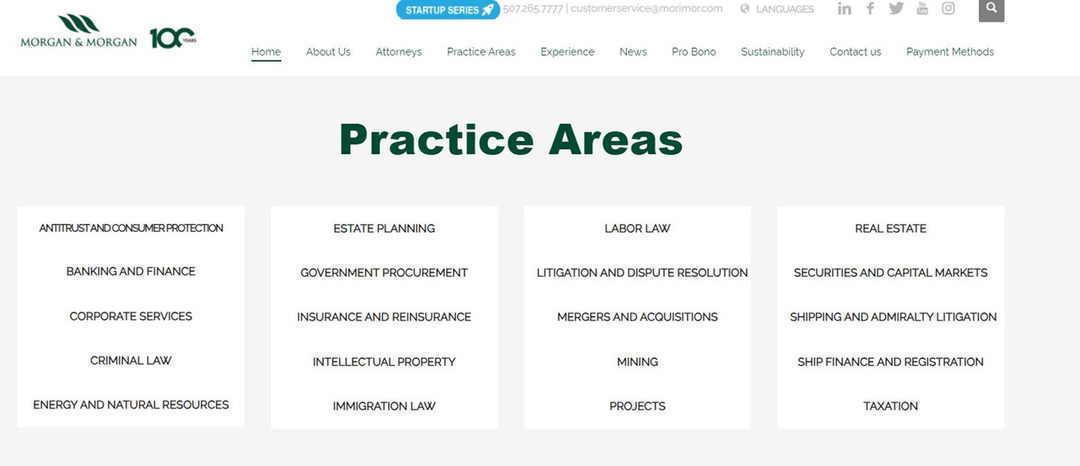
The personal injury firm Morgan & Morgan implemented practice area-specific schema markup across their website, focusing on their various specialties such as car accidents, medical malpractice, and workers' compensation. This targeted approach led to rich snippets appearing for searches like "car accident lawyer near me" and "medical malpractice attorney in [city name]."
The results were significant:
22% increase in qualified leads for their auto accident practice
18% boost in click-through rates for medical malpractice-related searches
30% improvement in visibility for local "near me" searches across various practice areas
Implementation tips:
Create separate schema markup for each major practice area your firm handles.
Use specific, descriptive terms that potential clients are likely to search for.
Include common synonyms or alternative phrasings (e.g., "DUI" and "DWI") to capture a wider range of searches.
Update your schema regularly to reflect any changes in your practice areas or services offered.
Ensure that the services described in your schema accurately match the content on your website.
Consider creating dedicated landing pages for each practice area and implementing specific schema on those pages.
By implementing practice area-specific schema markup, US law firms can significantly enhance their visibility for targeted legal searches, attracting more qualified leads and demonstrating their expertise in particular fields of law.
Schema Markup for Attorney Profiles
In the competitive landscape of US legal services, showcasing your attorneys' expertise and credentials can be a significant differentiator. Schema markup for attorney profiles helps search engines understand and display this valuable information, potentially leading to enhanced visibility and credibility in search results.
Key elements to include in attorney profile schema:
a) Person Schema: This forms the foundation of an attorney's profile markup.
b) Highlighting Education, Bar Admissions, and Awards: Expand the Person schema to include these crucial details.
c) Linking Attorney Profiles to Law Firm Schema: Ensure that individual attorney profiles are connected to your overall law firm schema.
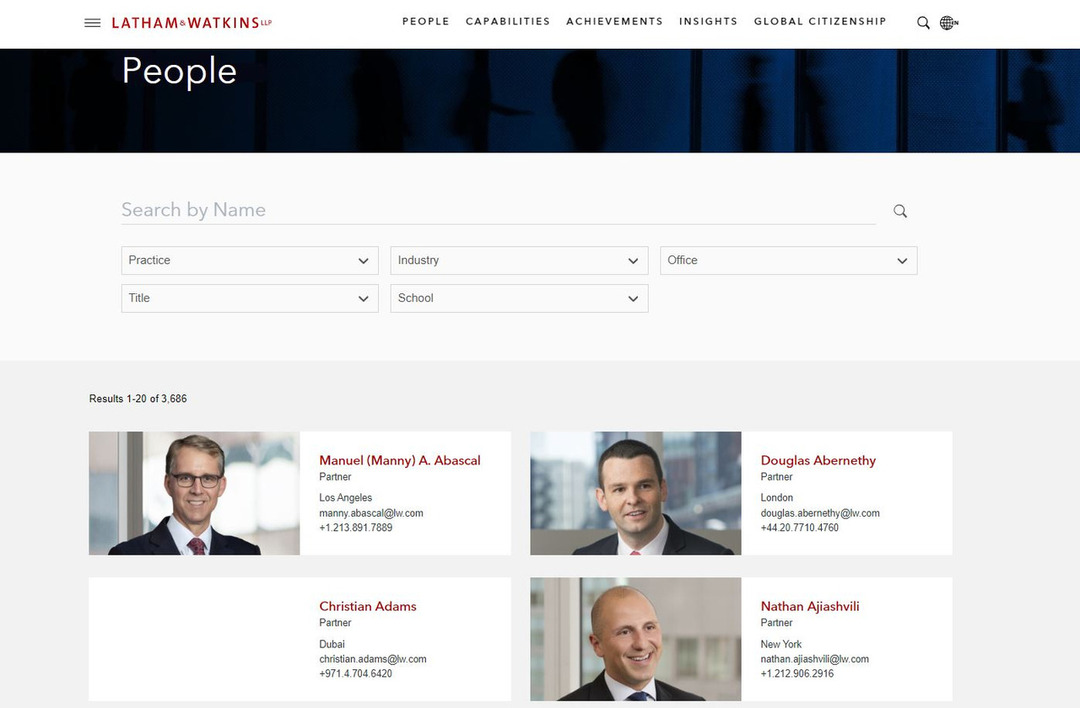
Key results included:
45% increase in click-through rates for attorney-specific searches
30% boost in time spent on attorney profile pages
25% increase in inquiries directed to specific attorneys through the website
The firm noticed that potential clients were arriving at consultations better informed about their attorneys' expertise and background, leading to more productive initial meetings and a higher client conversion rate.
Implementation tips:
Ensure consistency between schema markup and visible profile content.
Update schema regularly to reflect new achievements, publications, or speaking engagements.
Include links to professional social media profiles where appropriate (e.g., LinkedIn).
Consider adding schema for notable cases or publications by the attorney.
Implement separate schema markup for each attorney profile page on your website.
Optimizing Local SEO with Schema Markup
For US law firms, especially those with multiple office locations, local SEO is crucial. Schema markup can significantly enhance your local search presence, making it easier for potential clients in your area to find and choose your firm.
Key strategies for local SEO schema markup
a) Leveraging Schema for Multiple Office Locations: Use the LocalBusiness schema type for each office location.
b) Integrating Schema with Google My Business Listings: Ensure consistency between your schema markup and Google My Business information.
c) Using GeoCoordinates Schema for Precise Location Data: Add precise location coordinates to help with map-based searches.
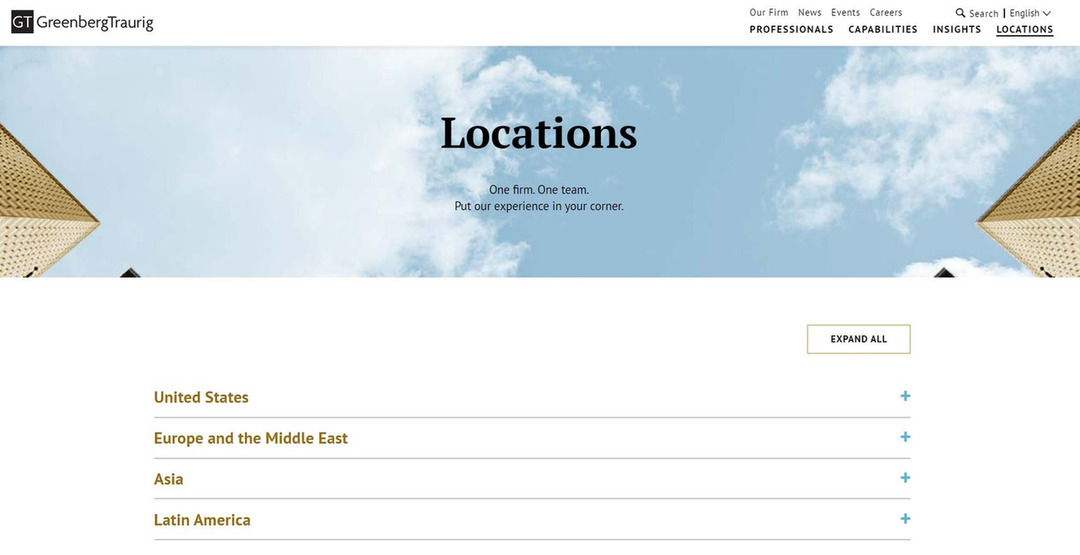
35% increase in local pack appearances for city-specific legal searches across their locations
28% boost in direction requests directly from search results
40% increase in phone calls originating from local search results
The firm also saw a notable improvement in their visibility for "near me" searches, with a 50% increase in appearances for queries like "corporate lawyer near me" in cities where they have offices.
Implementation tips:
Create separate schema markup for each physical office location.
Ensure NAP (Name, Address, Phone) consistency across all platforms and listings.
Include relevant local business categories (e.g., "Corporate Law Firm," "Personal Injury Attorney").
Add schema markup for specific services offered at each location.
Regularly update your schema to reflect any changes in office locations, hours, or services.
By optimizing your local SEO with schema markup, your law firm can improve its visibility in local search results, making it easier for potential clients in your area to find and engage with your services.
Schema Markup for Legal Content Marketing
Content marketing is a powerful tool for law firms to demonstrate expertise and attract potential clients. Implementing schema markup for your legal content can significantly boost its visibility and performance in search results.
Key strategies for legal content marketing schema:
a) Implementing HowTo Schema for Legal Guides: Use HowTo schema for step-by-step legal guides or processes.
b) Using FAQ Schema for Legal Q&A Pages: Implement FAQ schema to increase chances of appearing in featured snippets.
c) Leveraging NewsArticle Schema for Legal News and Updates: Use NewsArticle schema for timely legal news or updates on your blog.
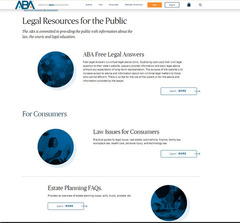
This strategic implementation resulted in:
45% increase in organic traffic to their legal information pages
60% boost in featured snippet appearances for common legal questions
30% increase in time spent on pages with implemented schema
Implementation tips:
Align your schema markup with the specific type of content (guides, FAQs, news articles).
Keep your content and schema up-to-date, especially for time-sensitive legal information.
Use schema to highlight key information that searchers are likely to find valuable.
Implement schema on both evergreen content and timely updates to maximize visibility.
Ensure that the content marked up with schema is visible on the page to comply with search engine guidelines.
Technical Implementation of Schema Markup
Proper technical implementation is crucial for effective schema markup.
Measuring the Impact of Schema Markup
To ensure your schema markup efforts are paying off, it's crucial to measure their impact. Here's how to track and analyze the effectiveness of your schema implementation:
Key Performance Indicators (KPIs) to monitor:
Click-through rates (CTR) from search results
Organic search traffic
Rich snippet appearances
Position in search engine results pages (SERPs)
Conversions from organic search traffic
Tools for monitoring rich snippets and search appearance:
Google Search Console: Track rich result performance and issues
Bing Webmaster Tools: Monitor rich snippets in Bing search results
SEMrush: Analyze SERP features and position tracking
Ahrefs: Track featured snippets and SERP features
Analyzing schema markup impact:
Compare before and after implementation metrics
Use Google Analytics to set up custom segments for rich snippet traffic
Track local pack appearances for location-specific searches
Monitor voice search performance for schema-enhanced content
The firm's marketing team created a monthly schema performance report, allowing them to continuously refine their strategy and prioritize schema implementation for high-impact pages and practice areas.
Common Mistakes and Best Practices in Legal Schema Markup
Avoiding common pitfalls and following best practices can significantly enhance the effectiveness of your schema markup strategy.
Common mistakes to avoid:
Using incorrect schema types for your content
Marking up content that isn't visible on the page
Implementing contradictory schema across different pages
Neglecting to update schema when website content changes
Over-optimizing schema with irrelevant information
Best practices:
Ensure schema accurately represents your visible content
Regularly audit and update your schema markup
Use specific schema types relevant to legal services
Implement schema consistently across all pages
Follow search engine guidelines for schema implementation
Future Trends in Schema Markup for US Law Firms
Staying ahead of emerging trends can give your law firm a competitive edge in search visibility.
Emerging trends to watch:
Voice search optimization through schema markup
AI and machine learning integration for dynamic schema generation
New schema types specific to legal services and case outcomes
Enhanced local service schema for law firms with multiple specialties
Integration of schema with virtual and augmented reality experiences
Compliance and Ethical Considerations
Navigating the intersection of SEO and legal ethics is crucial for US law firms implementing schema markup.
Key considerations:
Adhering to state bar advertising rules in schema content
Ensuring privacy and data protection in schema implementation
Balancing SEO benefits with professional responsibility
Avoiding misleading claims or guarantees in schema markup
Conclusion
Implementing schema markup is no longer optional for US law firms looking to thrive in the digital age. By providing search engines with clear, structured data about your firm, you're not just improving your SEO—you're making it easier for potential clients to find the legal services they need. From basic implementation to advanced strategies and ethical considerations, this guide has covered the essential aspects of schema markup for law firms.
At Nilead, we understand the unique challenges faced by small and medium-sized law firms in navigating the complex world of digital marketing. Our AI-powered platform is designed to simplify the process of implementing and managing schema markup, along with other crucial digital marketing tasks. Let us show you how our all-in-one digital marketing solution can help you implement schema markup, boost your online visibility, and attract more clients—all while saving you time and resources. Don't let your firm get lost in the digital shuffle. Partner with Nilead and start dominating search results today!
Table of contents

About the author