




You're a real estate agent, and your phone is buzzing with new leads. Your inbox is filling up with inquiries from eager home buyers and sellers. Your calendar is packed with appointments. Sounds like a dream, right?
Well, it doesn't have to be. Your website can be the key to making this dream a reality. But here's the catch - it's not just about having a pretty website. It's about having a website that works hard for you, turning casual browsers into hot leads while you sleep.
In this guide, we're going to show you how to transform your real estate website into a lead-generating powerhouse. No tech jargon, no complicated strategies - just simple, effective tips that any real estate pro can use.
Ready to turn your website into your hardest-working team member? Let's dive in and discover how to make your online presence truly pay off.
Crafting Irresistible Offers for Real Estate Lead Generation
In real estate, information is currency. Your potential clients are hungry for insights, and you have the knowledge they crave. The key is packaging that expertise into lead magnets that visitors can't resist.
Effective Lead Magnet Ideas for Real Estate:
Neighborhood Guides: Detailed reports on local amenities, schools, and property trends.
Property Valuation Tools: Offer instant estimates in exchange for contact details.
First-Time Buyer's Checklist: A comprehensive guide to navigate the buying process.
Investment Property Calculator: Help investors crunch numbers on potential purchases.
Market Trend Reports: Quarterly or annual insights into local real estate dynamics.
Implementation Tips:
Ensure your lead magnet addresses a specific pain point or question.
Keep it concise and actionable—aim for immediate value.
Brand your lead magnets professionally to build trust and recognition.
Use eye-catching graphics and clear calls-to-action (CTAs) to promote your offer.
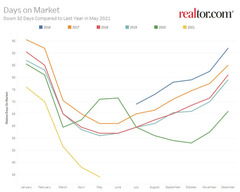
Real-World Success: Realtor.com's "Market Outlook" Report
Designing Forms That Convert: Best Practices for Real Estate Websites
Your form is often the final hurdle between a visitor and becoming a lead. Make it too long, and you'll scare them off. Make it too short, and you might miss crucial information. The key is finding the right balance.
Form Optimization Strategies:
Keep it Short: Start with just name and email. You can always gather more information later.
Use Smart Fields: Implement conditional logic to show relevant fields based on previous answers.
Mobile Optimization: Ensure forms are easy to fill out on smartphones and tablets.
Clear Value Proposition: Clearly state what the visitor gets in return for their information.
Trust Signals: Include privacy assurances and testimonials near your forms.
Practical Tips:
A/B test different form lengths and fields to find what works best for your audience.
Use auto-fill options to make form completion easier and faster.
Implement real-time validation to reduce errors and frustration.
Consider multi-step forms for complex requests, breaking the process into manageable chunks.
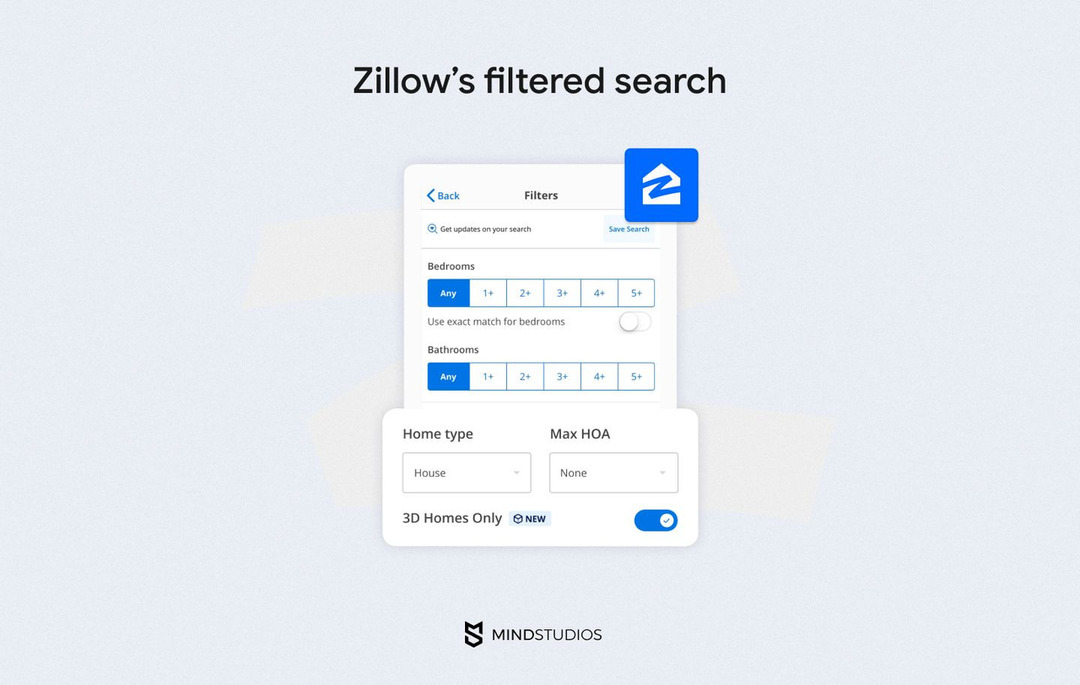
Case Study: Zillow's Simple Search Forms
Maximizing Conversions with Strategic Pop-Ups on Real Estate Websites
Pop-ups often get a bad rap, but when used strategically, they can significantly boost lead generation without annoying your visitors. The key is timing, relevance, and value.
Effective Pop-Up Strategies:
Exit-Intent Pop-Ups: Trigger when a user is about to leave, offering a last-chance opportunity.
Scroll-Depth Pop-Ups: Appear after a user has engaged with a certain amount of content.
Time-Based Pop-Ups: Show after a visitor has spent a specific amount of time on your site.
Content-Specific Pop-Ups: Offer related resources based on the page a visitor is viewing.
Best Practices:
Make it easy to close the pop-up—respect your visitor's choice.
Use compelling visuals and clear, benefit-driven copy.
Limit the frequency of pop-ups to avoid overwhelming visitors.
Ensure pop-ups are mobile-friendly and don't obstruct content on smaller screens.
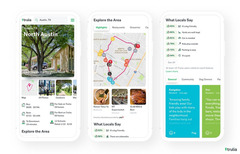
Real-World Example: Trulia's Personalized Alerts
Content Marketing: Building Trust and Capturing Leads
In the real estate industry, trust is everything. Content marketing allows you to showcase your expertise, build credibility, and capture leads throughout the buyer's journey.
Effective Content Marketing Strategies:
Blog Posts: Regular, informative articles on local market trends, buying tips, and investment strategies.
Video Tours: Virtual property walkthroughs with lead capture forms.
Webinars: Live or recorded sessions on topics like "First-Time Home Buying 101" or "Investment Property Masterclass."
Podcasts: Weekly market updates or interviews with local real estate experts.
Infographics: Visual representations of market data or homebuying processes.
Implementation Tips:
Create a content calendar to ensure consistent publication.
Use SEO best practices to increase organic visibility.
Promote content across social media channels to expand reach.
Include clear CTAs within your content, directing readers to relevant lead magnets or contact forms.
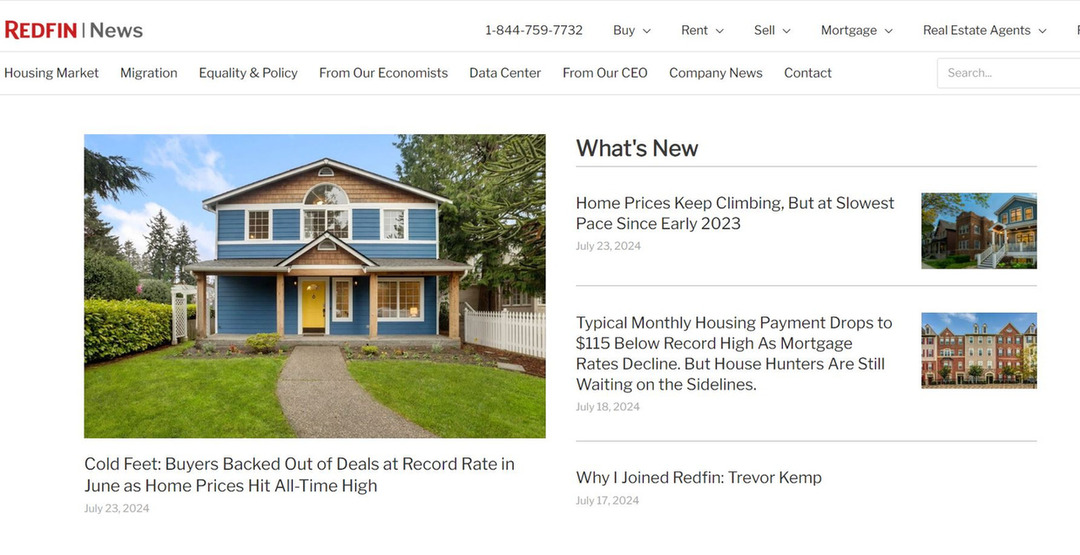
Success Story: Redfin's Blog
Designing for Trust: How to Create a Real Estate Website That Converts
The design and user experience (UX) of your website play a crucial role in building trust and encouraging conversions. By understanding the psychology behind user behavior, you can create a website that not only looks great but also converts visitors into leads.
Key Elements of Trust-Building Design:
Clear Navigation: Make it easy for visitors to find what they're looking for.
Social Proof: Display client testimonials, awards, and affiliations prominently.
Professional Imagery: Use high-quality photos of properties and team members.
Fast Load Times: Ensure your website loads quickly on all devices.
Security Badges: Display SSL certificates and other security measures.
Practical UX Tips:
Use color psychology to evoke the right emotions (e.g., blue for trust, green for growth).
Implement a responsive design that works seamlessly across all devices.
Use white space effectively to create a clean, uncluttered look.
Ensure your contact information is easily accessible from every page.
Case Study: Compass's User-Centric Design

Conclusion:
Transforming your real estate website into a lead-generating machine doesn't happen overnight, but with the right strategies, it's absolutely achievable. By offering valuable content, optimizing your forms and pop-ups, and creating a trustworthy user experience, you can significantly increase your conversion rates and grow your business.
Remember, the key to successful lead generation is providing value at every touchpoint. Your website visitors are looking for more than just listings—they're seeking expertise, guidance, and trust. By positioning your real estate business as a valuable resource, you'll not only generate more leads but also build lasting relationships with potential clients.
As you implement these strategies, don't forget to track your results and continuously refine your approach. What works for one real estate market might not work for another, so be prepared to adapt and innovate.
With these tools and techniques at your disposal, you're well-equipped to turn your real estate website into a powerful lead generation engine. The future of your business is just a click away!
Ready to supercharge your real estate website's lead generation capabilities? Nilead's AI-powered platform offers everything you need to implement these strategies and more. From easy-to-use form builders to advanced content management tools, we've got you covered. Schedule your free discovery session today and learn how Nilead can help you convert more visitors into qualified leads—without the hassle of juggling multiple tools or breaking the bank. Don't let another potential client slip away—take action now and watch your real estate business grow!
Table of contents

About the author