



Food is emotional, visual, and intensely local. People don't just want information about your menu - they want to feel hungry, excited, and confident they're making the right choice.
Most F&B businesses treat headlines as an afterthought, copying what works for tech companies or lifestyle brands. But a headline that works for software doesn't work for sandwiches. Your audience has different motivations, different urgency levels, and different ways of making decisions. Just like we covered in our comprehensive guide to writing headlines across platforms, the key is matching your message to both your audience and your medium.
Key Takeaways
Local SEO headlines need hyper-specific location and menu keywords that match exactly how hungry people search for food in your area.
Social media food content succeeds through sensory language and emotional triggers that make viewers feel the experience before they taste it.
Email headlines for F&B must create immediate urgency around limited-time offers, seasonal menus, and dining experiences that can't wait.
Each platform serves different stages of the customer journey - from discovery through decision to action - requiring completely different headline approaches.
How to Write SEO Headlines That Drive Local Food Traffic
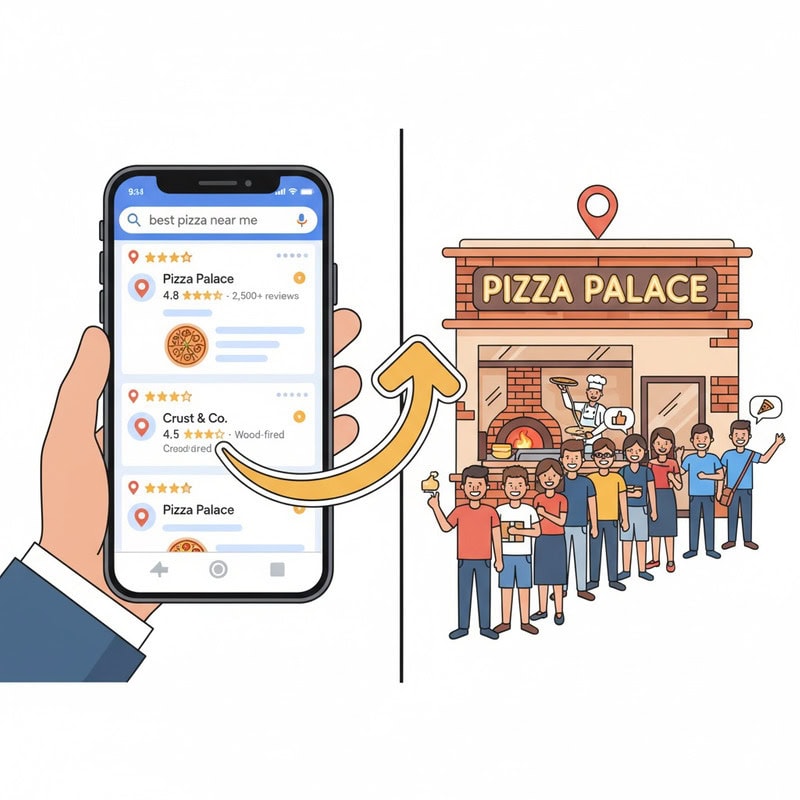
When someone's hungry and searching for food, they're not browsing casually. They're on a mission. Your SEO headlines need to intercept that mission and make your restaurant the obvious choice.
The biggest mistake F&B businesses make is optimizing for generic food keywords instead of location-specific searches that actually drive foot traffic. Nobody searches for "good food" - they search for
"best tacos near downtown Phoenix" or "gluten-free pizza delivery 85016."
Local SEO headlines follow a specific formula for F&B:
Headline Type | Structure | Example |
|---|---|---|
Menu-focused | [Dish] + [Location] + [Qualifier] | "Best Authentic Thai Food in Scottsdale Since 1995" |
Experience-focused | [Experience] + [Location] + [Benefit] | "Date Night Restaurants Downtown Phoenix with Private Booths" |
Problem-solving | [Dietary Need] + [Location] + [Solution] | "Keto-Friendly Restaurants Mesa AZ with Full Low-Carb Menus" |
Occasion-based | [Event] + [Location] + [Capacity/Feature] | "Private Dining Phoenix - Groups up to 50 People" |
Your headline needs to include three critical elements:
Specific location terms - neighborhood names, cross-streets, landmarks people actually use
Menu specificity - actual dishes, dietary restrictions, cuisine types
Urgency or uniqueness - what makes you different from the 47 other Italian restaurants nearby
Research keywords the way your customers actually search. Use Google's autocomplete but focus on local variations. Type "pizza" and your city name - see what suggestions come up. Check "People also ask" for location-specific questions.
Most importantly, optimize for mobile voice search. People walking around hungry use different language than people planning ahead on desktop. They say "pizza place open now near me" not "best pizza restaurants in [city]."
Match headlines to search intent stages:
Discovery stage: "Best Brunch Spots Downtown Denver" - they're exploring options
Evaluation stage: "Maria's Cantina vs El Pueblo - Authentic Mexican Food Comparison"
Decision stage: "Maria's Cantina Menu, Hours, and Online Ordering"
Seasonal optimization matters more in F&B than other industries. Your "pumpkin spice latte" headlines better be ready before competitors, and your "outdoor dining" keywords need to hit right when weather turns nice.
How to Create Reels Headlines That Make Food Look Irresistible
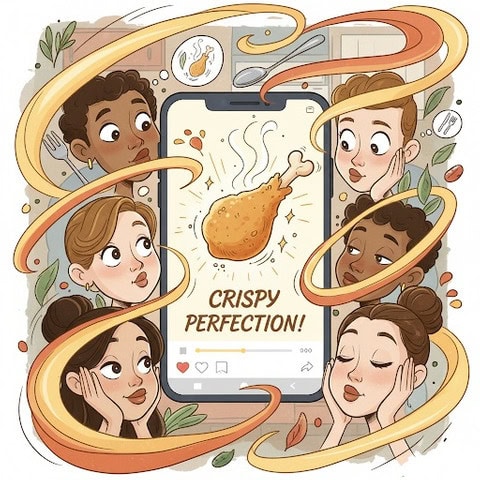
Food content on social media is about craving. Your headlines need to trigger that physical response that makes someone's mouth water and their stomach growl.
The psychology of food content is different from other industries. People consume food content for entertainment, inspiration, and often as a substitute for actual eating. Your headlines need to tap into sensory experience and emotional satisfaction.
Effective food Reels headlines focus on sensory triggers:
Texture words: "Crispy," "creamy," "melted," "flaky," "tender"
Temperature language: "Sizzling," "ice-cold," "fresh-baked," "steaming"
Process descriptions: "Hand-rolled," "slow-cooked," "char-grilled," "farm-fresh"
Emotional outcomes: "Comfort," "indulgent," "guilt-free," "satisfying"
Instead of "Our new burger is really good," try "This burger makes that perfect crunch sound when you bite through the bacon." The second version helps viewers experience the food through their screen.
Platform-specific approaches work differently:
Instagram Reels favor aspirational food content. Headlines should make viewers feel sophisticated, adventurous, or part of an experience:
"The secret ingredient that changes everything"
"How real Italian grandmas make pasta sauce"
"This is what $200 omakase looks like"
TikTok rewards relatable, behind-the-scenes content with casual language:
"POV: You're the line cook on Friday night"
"This is why your pasta always tastes boring"
"Restaurant workers, rate this order"
Recipe vs. behind-the-scenes vs. experience headlines serve different purposes:
Recipe content headlines should promise achievable results: "30-minute weeknight pasta that tastes like you spent hours."
Behind-the-scenes content works with insider language: "What happens to the bread we don't sell."
Experience content sells the feeling: "This is what Sunday brunch should feel like."
Avoid these common F&B Reels headline mistakes:
Generic food adjectives (delicious, amazing, incredible)
Menu descriptions instead of experience descriptions
Industry jargon that customers don't understand
Focusing on technique instead of outcome
The best performing food content headlines often include mild controversy or surprise: "This is why restaurants don't want you to know how we make marinara" or "We've been making grilled cheese wrong this whole time."
Test emotional angles that connect with food memories and experiences:
Nostalgia: "Tastes exactly like grandma's kitchen"
Discovery: "Hidden gem that locals don't want tourists to find"
Validation: "Finally, a burger that lives up to the hype"
Transformation: "This changed how I think about vegan food"
How to Write Email Headlines That Fill Tables and Drive Orders
Email is your most direct line to customers who've already shown interest in your restaurant. These headlines have one job: get people through your doors or placing orders right now.
F&B email headlines work differently from other industries because food decisions are often impulsive and time-sensitive. Your subscribers aren't slowly nurturing a relationship with your brand - they're deciding what to eat today, this week, this weekend.
Urgency tactics work especially well for restaurants:
Limited-time menu items: "Lobster special ends Sunday"
Seasonal availability: "While strawberries are in season"
Daily specials: "Today only: $5 happy hour appetizers"
Weather-driven offers: "Rainy day = soup and sandwich combo"
Personalization works when it's based on actual dining behavior:
"Your usual table is available Saturday night"
"We saved some of that wine you loved"
"New gluten-free options you'll actually want to eat"
The key is using data about past orders, preferences, and visit frequency rather than generic demographic information.
Effective F&B email headline formats:
The insider tip: "What our servers recommend this week"
The limited offer: "72 hours left: buy one, get one wine bottles"
The exclusive preview: "Try our new menu before we announce it"
The seasonal connection: "Fall flavors that taste like home"
A/B test different urgency levels. Some audiences respond to high urgency ("Last chance!"), others prefer gentle nudges ("While it's available"). Track which approach drives more reservations and orders, not just opens.
Consider timing psychology for F&B emails:
Lunch emails work best 10-11 AM Tuesday through Thursday
Dinner reservations emails perform well Thursday-Friday 2-4 PM
Weekend brunch emails should hit Friday evening or Saturday morning
Happy hour promotions need day-of-event timing
Avoid common F&B email headline mistakes:
Using "newsletter" or "update" - these are relationship killers
Burying the offer - lead with the value, not the explanation
Generic event announcements - make it personal and urgent
Focusing on features instead of benefits - "new menu" vs "dishes you haven't tried yet"
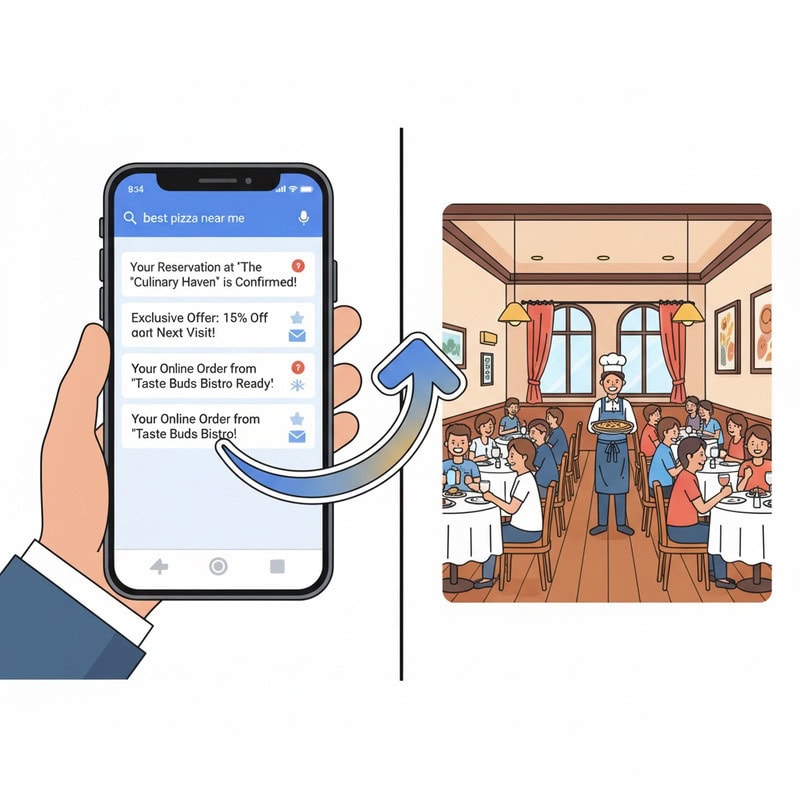
The most successful F&B email headlines create a bridge between the craving your email creates and the immediate action someone can take. Your subject line should make someone think "I need to eat there tonight" and your email should make booking or ordering the obvious next step.
Your headlines are the first taste your customers get of your brand. Make them hungry for more.
Table of contents

About the author