





Is your real estate website more of a fixer-upper than a dream home? In today's digital market, a neglected website can cost you valuable leads and sales. But don't worry - you don't need to be a tech whiz to keep your online presence in top shape.
Think of your website as your 24/7 sales agent. It needs to look good, work smoothly, and always be ready to impress potential clients. Just like you'd stage a home for sale, your website needs regular care to perform at its best.
In this guide, we'll walk you through simple yet effective ways to maintain your real estate website. No complicated jargon or costly overhauls - just practical tips to keep your digital storefront polished and performing.
Ready to turn your website into a lead-generating powerhouse? Let's roll up our sleeves and get started!
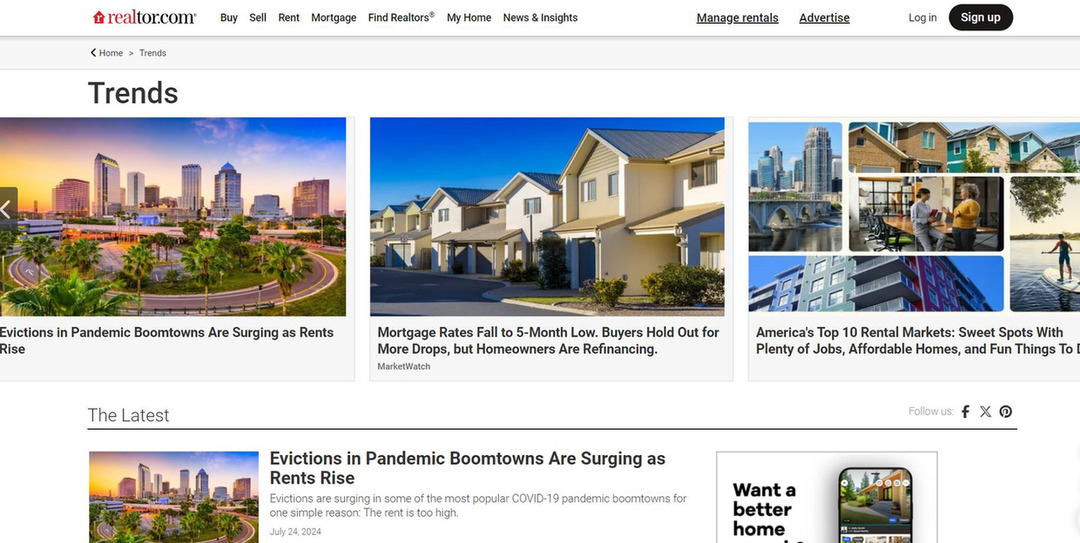
Fresh Content is the Lifeblood of Your Real Estate Website
Think of your website's content like the curb appeal of a home - it needs regular attention to stay attractive and inviting. Outdated content can turn visitors away faster than peeling paint on a listing.
Key Benefits of Regular Content Updates:
Improved Search Engine Rankings: Search engines love fresh, relevant content.
Increased Visitor Engagement: New content gives people a reason to return to your site.
Enhanced Credibility: Up-to-date information shows you're active and knowledgeable in the market.
Practical Tips for Content Maintenance:
Schedule weekly or bi-weekly blog posts about local market trends or home buying tips.
Update property listings as soon as their status changes.
Refresh your "About Us" page and agent profiles annually.
Review and update your FAQs quarterly to address new common questions.
Security Checks: Protecting Your Website and Your Clients' Data
In the digital age, your website's security is as crucial as the locks on your office door. A security breach can damage your reputation and compromise your clients' sensitive information.
Key Security Measures:
Regular Software Updates: Keep your content management system (CMS) and plugins up-to-date.
Strong Passwords: Use complex passwords and change them regularly.
SSL Certificate: Ensure your website uses HTTPS to encrypt data transmission.
Regular Backups: Maintain frequent backups of your website data.
Implementation Tips:
Set up automatic updates for your CMS and plugins where possible.
Use a password manager to generate and store strong, unique passwords.
Schedule monthly security scans to detect vulnerabilities.
Implement two-factor authentication for all admin accounts.

Accelerate Your Success: Why Website Speed Matters in Real Estate
In real estate, timing is everything. The same goes for your website. A slow-loading site can frustrate potential clients and send them straight to your competitors.
Key Performance Factors:
Page Load Speed: Aim for pages that load in under 3 seconds.
Mobile Responsiveness: Ensure your site works seamlessly on all devices.
Image Optimization: Compress images without sacrificing quality.
Streamlined Code: Remove unnecessary plugins and scripts.
Optimization Strategies:
Use a content delivery network (CDN) to serve your website faster across different locations.
Implement lazy loading for images to speed up initial page load times.
Minify CSS, JavaScript, and HTML to reduce file sizes.
Regularly test your website's speed using tools like Google PageSpeed Insights.
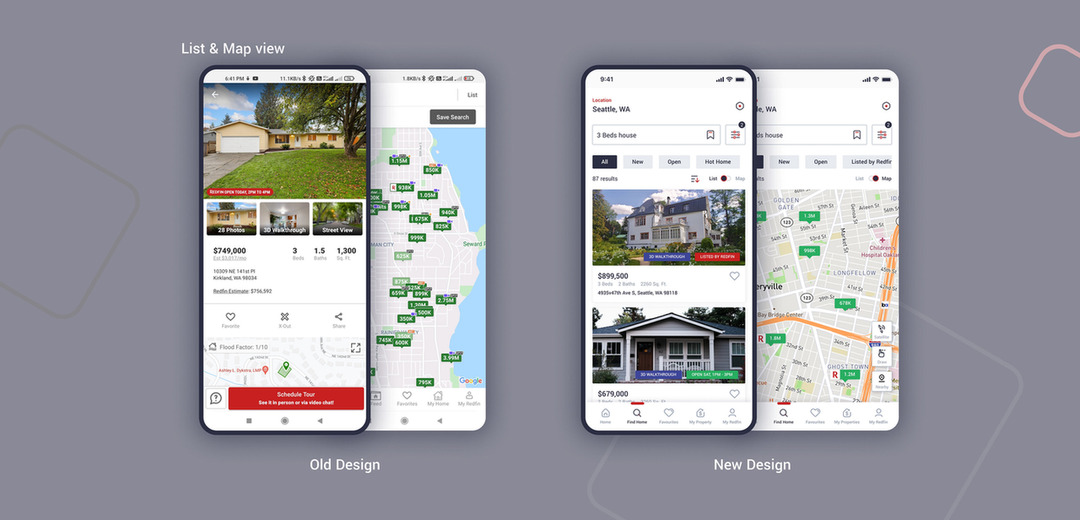
User Experience (UX) Audits: Ensuring Your Website Meets Client Needs
Your website might be secure and fast, but if it's not user-friendly, you're still missing out on potential leads. Regular UX audits help ensure your site meets the evolving needs of your clients.
Key UX Elements to Audit:
Navigation: Is it easy for visitors to find what they're looking for?
Search Functionality: Can users easily search for properties or content?
Contact Forms: Are they simple to fill out and submit?
Mobile Experience: Does your site work well on smartphones and tablets?
UX Audit Process:
Conduct regular user testing with actual clients or team members.
Analyze your website analytics to identify high bounce rate pages or common exit points.
Collect and act on user feedback through surveys or feedback forms.
Stay updated on UX best practices in the real estate industry.

Data-Driven Success: Using Analytics to Improve Your Real Estate Website
You wouldn't sell a house without knowing its market value. Similarly, you shouldn't run your website without understanding its performance metrics.
Key Metrics to Monitor:
Traffic Sources: Where are your visitors coming from?
Bounce Rate: How many visitors leave after viewing just one page?
Conversion Rate: What percentage of visitors take desired actions (e.g., contact form submissions)?
Popular Content: Which pages or listings are getting the most attention?
Implementing Analytics:
Set up Google Analytics or a similar tool to track website performance.
Create custom dashboards to easily monitor your most important metrics.
Set up goals to track specific actions, like contact form submissions or listing inquiries.
Review your analytics monthly and adjust your strategy accordingly.
Conclusion:
Maintaining your real estate website is like keeping a property in top condition - it requires ongoing attention but pays off in the long run. By regularly updating content, prioritizing security, optimizing performance, enhancing user experience, and tracking analytics, you're nurturing a powerful business asset that converts visitors into leads and clients. Remember, your website is often the first impression potential clients have of your business, so keep it in prime condition.
Ready to take your real estate website from good to great? Nilead's all-in-one digital marketing platform makes website maintenance a breeze. Schedule your free discovery session today and learn how Nilead can help you maintain a high-performing real estate website without the hassle of juggling multiple tools or breaking the bank. Don't let website maintenance hold you back - let Nilead empower your online success!
Table of contents

About the author