Industry Guides What role do breadcrumbs play in real estate website SEO, and are they worth implementing?

What role do breadcrumbs play in real estate website SEO, and are they worth implementing?

Breadcrumbs enhance real estate website SEO by improving navigation, internal linking, and search visibility, making them essential for sites with deep property hierarchies.

Table of content

At first glance, breadcrumbs might seem like a minor detail — just another line of text on the page. But on a real estate website, they do much more than fill space. When done right, breadcrumbs enhance both SEO and user experience, especially on sites with deep architecture and diverse property types.

breadcrumbs-play-in-real-estate-website-seo

What breadcrumbs actually do (beyond navigation)

Breadcrumbs serve two essential functions:

  • They show users where they are within your site’s structure, helping them understand context and move upward easily.

  • They show Google how your content is organized, reinforcing hierarchy and internal linking — two signals that matter for SEO.

For example, a breadcrumb path like:
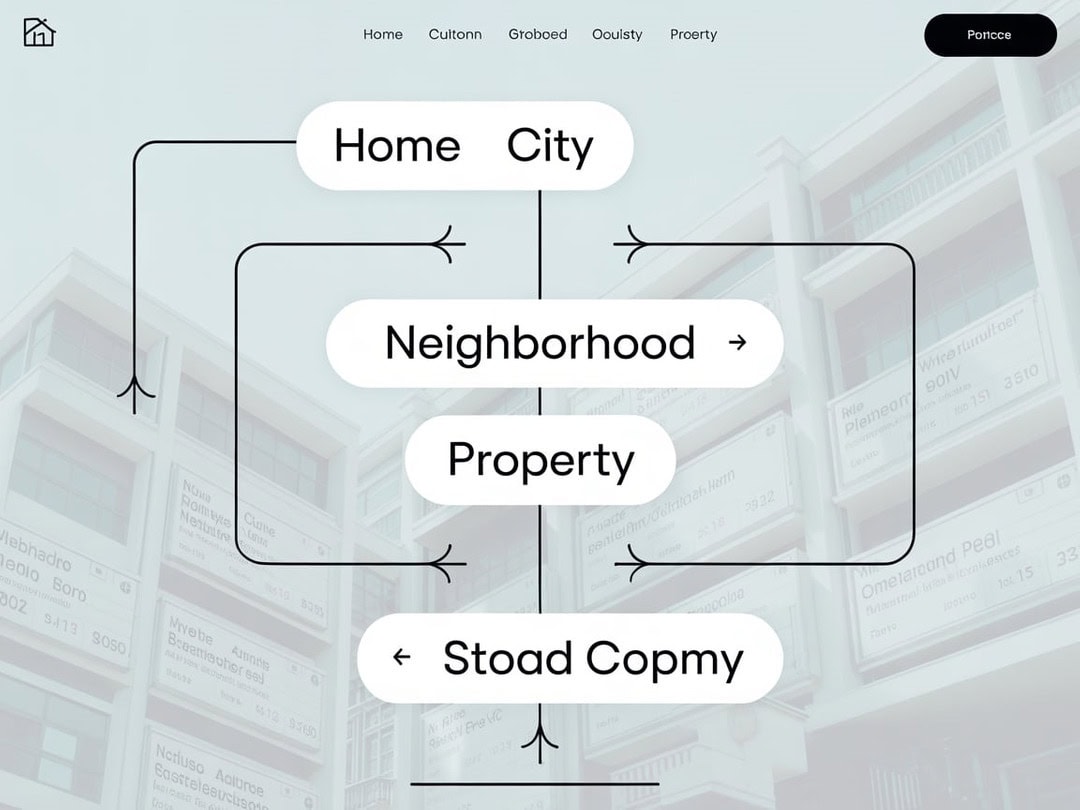
Home > Projects > Toronto > Lakeview Residences
tells both users and crawlers that Lakeview Residences belongs to a Toronto project group — which is part of a broader listing ecosystem.

Why they matter more for real estate websites

Unlike blogs or landing-page sites, real estate websites often involve:

  • Deep content levels (city → project → unit)

  • Multiple categories or filters (e.g., price, status, developer)

  • Users entering from search engines mid-funnel (not always via homepage)

Breadcrumbs help reorient users and keep them engaged longer by offering an intuitive path upward. That alone reduces bounce rates — which indirectly benefits SEO.

SEO benefits: small signal, cumulative impact

Technically, breadcrumbs:

  • Improve internal linking, which helps distribute authority across pages

  • Appear in Google SERPs (if marked up properly with schema), making your listings more visually informative

  • Reinforce content structure and keyword relationships (especially for city and category pages)

No, adding breadcrumbs won’t magically boost you to position #1. But on real estate websites where structure is everything, it strengthens the foundation — especially at scale.

When (and how) to implement them

Use breadcrumbs if:

  • Your site has more than 2 levels of navigation

  • You have city or region pages acting as hubs

  • You want to build stronger SEO signals for category-level queries (e.g., “condos in Vancouver”)

Best practices:

  • Use consistent labeling — avoid changing breadcrumb logic across sections

  • Include schema.org markup (BreadcrumbList) to unlock rich snippets in search results

  • Place breadcrumbs near the top of the page — ideally above the H1

  • Let them reflect your real-world hierarchy, not just technical folder paths

Most modern CMS platforms offer breadcrumb support, either built-in or through plugins.

If you're working with a customizable website builder like Nilead, breadcrumbs can be implemented at the theme level and mapped to your real content structure — meaning you get both visual clarity and SEO value, without needing manual code for each page.

Takeaway:

Breadcrumbs may look small, but they play a strategic role in organizing both user experience and crawlability. For real estate websites with layered content, they’re not just worth adding — they’re part of a scalable, SEO-smart foundation.

Discord chat

We're available Monday–Friday, security and critical bug fixes are available 24/7.

Facebook page

Get the latest news and updates regarding Nilead platform and services.