




If you’ve ever posted something packed with value — actionable tips, solid SEO, clean visuals — and watched it barely register with your audience, you’re not alone.
Meanwhile, a messy, honest story about what actually happened? Viral.
The bad news: facts don’t make people care.
The good news: stories do — and they’re your most underused asset.
After working with many creators and brands, I’ve seen one truth hold up across every platform: if you want your content to stick, make it felt — not just read.
Key Takeaways
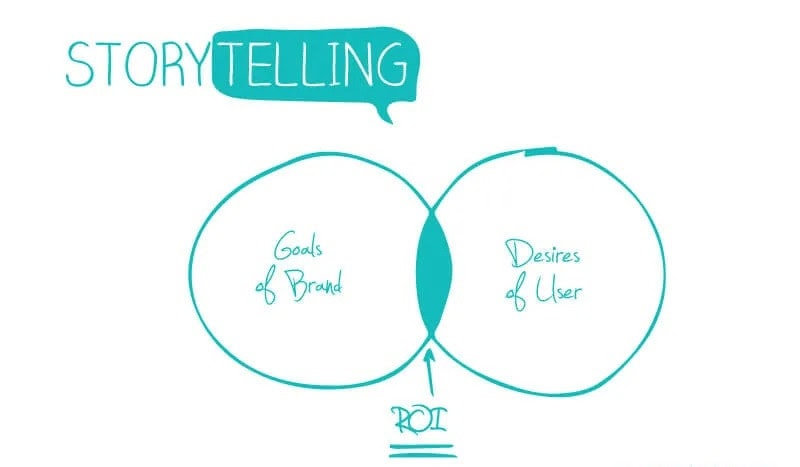
Your audience doesn’t want more information — they want connection. They want to see themselves in your story before they trust your advice.
A story-first approach doesn’t mean less value — it means emotional context wrapped around practical insight.
The SPARK framework turns even the driest topic into a narrative worth remembering: Setup, Problem, Action, Result, Key Insight.
Real impact comes from real moments — your behind-the-scenes struggles, your surprising pivots, your lessons learned the hard way.
Don’t just measure likes. Look for the echo: the DMs, the “this reminded me of…” comments, the clients who say “I read your story and…”
Why Your Brain-First Content Strategy Isn't Working
We've been taught to lead with logic. Start with the problem, present the solution, back it up with data. It makes sense, right? People are rational. They want facts.
Except they don't.
While you're carefully crafting your perfectly logical content, your audience is scrolling through their feeds in an emotional state. They're stressed about work, worried about money, comparing themselves to others, looking for connection, seeking validation, or just trying to escape reality for a few minutes.
Logic doesn't speak to any of that. Stories do.
Think about the last piece of content that made you stop scrolling and actually engage. I bet it wasn't a listicle about "7 Ways to Optimize Your Workflow." It was probably someone sharing a moment of genuine vulnerability, a surprising twist in their business journey, or a story that made you think "oh my god, that's exactly how I feel."
The Content-Story Spectrum
On one end, you have pure information: "Here are the steps to do X."
On the other end, you have pure story: "Here's what happened when I tried to do X."
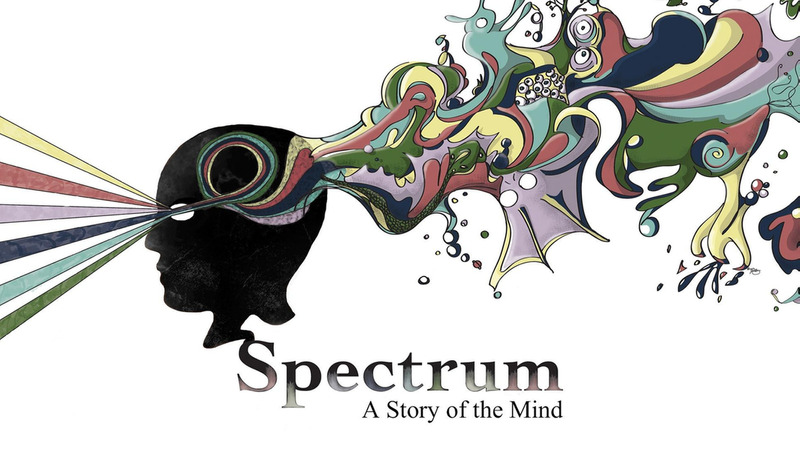
The Neuroscience of Why Stories Beat Statistics Every Time
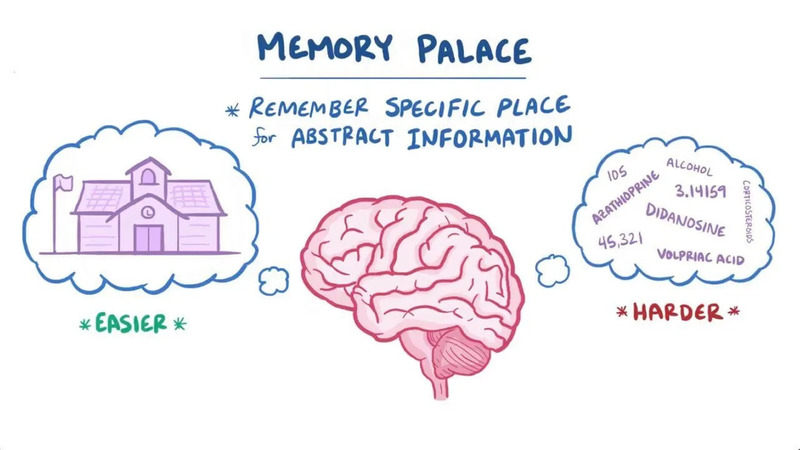
Your brain is wired to remember stories, not facts. This isn't opinion—it's biology.
When someone tells you a story, multiple areas of your brain light up. Not just the language processing centers, but also the areas that would be active if you were actually experiencing what's being described. Neuroscientists call this "neural coupling"—your brain literally syncs with the storyteller's brain.
When someone lists facts at you? Only the language centers activate. Your brain treats it like homework, not like experience.
Here's the practical impact:
Stories are 22 times more memorable than facts alone (Stanford research)
Stories trigger oxytocin release, creating trust and emotional connection
Stories activate the sensory cortex, making abstract concepts feel concrete
Stories engage the frontal cortex, where decision-making happens
This is why you can remember the plot of a movie you watched five years ago, but you can't remember the five productivity tips you read yesterday.
That's why story-based content doesn't just get consumed—it gets retold, adapted, and passed on. It becomes part of your audience's own narrative toolkit.
The Universal Story Structure That Works Across All Platforms
Every compelling story—whether it's a Hollywood blockbuster or a 15-second TikTok—follows the same basic structure. Master this framework, and you can turn any piece of content into something memorable.
The SPARK Framework
S - Setup (The Normal World)
This is where you establish the baseline. What was life like before the change, challenge, or revelation? Don't skip this—it's what makes the transformation meaningful.
Example: "Six months ago, I was the person who had 47 browser tabs open at all times, three different to-do list apps, and a coffee addiction that would make a barista weep."
P - Problem (The Disruption)
Something happens that disrupts the normal world. This could be a failure, a challenge, a realization, or even just a question that wouldn't leave you alone.
Example: "Then I realized I was spending more time organizing my productivity systems than actually being productive."
A - Action (The Journey)
What did you do about the problem? This is where you include your valuable content—the tips, strategies, or insights—but wrapped in the narrative of your experience.
Example: "So I threw out everything and tried a completely different approach..."
R - Result (The Transformation)
What changed? But here's the key—don't just focus on the positive outcomes. The most compelling stories include unexpected results, ongoing challenges, or lessons that surprised you.
Example: "My productivity doubled, but not for the reasons I expected..."
K - Key Insight (The Universal Truth)
This is where you connect your specific experience to a broader truth your audience can apply to their own lives. It's the bridge between "this happened to me" and "this could help you."
Example: "Turns out, most productivity problems aren't actually productivity problems—they're clarity problems."
Why This Structure Works:
Setup creates relatability - "I've been there too"
Problem creates curiosity - "What happened next?"
Action provides value - "Here's what actually works"
Result satisfies curiosity - "This is what's possible"
Key insight creates application - "I can use this in my life"
How to Find Stories Hidden in Your Everyday Content
The biggest objection I hear: "But I don't have any interesting stories to tell."
Yes, you do. You're just looking in the wrong places.
Story Mining Technique #1: The Failure Catalog
Make a list of everything that didn't work the way you expected it to:
The marketing strategy that flopped
The productivity system that made you less productive
The advice you followed that led you astray
The assumption you made that turned out to be wrong
These aren't embarrassing failures—they're compelling story beginnings.
Story Mining Technique #2: The Moment of Shift
Think about moments when your perspective changed:
"I used to think... but then I realized..."
"Everyone said... but my experience was..."
"The conventional wisdom is... but here's what actually happened..."
These perspective shifts are inherently interesting because they challenge assumptions.
Story Mining Technique #3: The Behind-the-Scenes Chronicles
Your audience only sees your finished content, but they're curious about the process:
The content that took six drafts and why
The strategy you almost implemented but didn't
The mistake that led to a breakthrough
The conversation that changed your approach
Story Mining Technique #4: The Client/Customer Journey
If you work with others, their transformations are your stories (with permission, of course):
The client who surprised you
The unexpected challenge that led to a better solution
The results that defied your predictions
The 5-Minute Story Audit
Take any piece of educational content you've created and ask:
What led me to learn this?
What happened when I first tried to apply it?
What went wrong? What went right?
How did it change my approach?
What would I tell someone just starting this journey?
Congratulations—you just found your story angles.
Platform-Specific Storytelling: Same Heart, Different Rhythm
The SPARK framework is universal, but how you execute it changes dramatically based on where you're telling the story.
LinkedIn: The Professional Journey Story
LinkedIn audiences want to see professional growth, leadership lessons, and career insights. Your stories should feel like conversations you'd have with a mentor over coffee.
Structure: Setup (professional challenge) → Problem (what went wrong) → Action (what you learned/tried) → Result (professional growth) → Key Insight (leadership lesson)
Example Opening: "Three years ago, I made a presentation that ended my relationship with our biggest client. Here's what that failure taught me about communication..."
Tone: Reflective, professional but personal, focused on growth and learning.
Instagram: The Visual-Emotional Story
Instagram is where aesthetics meet authenticity. Your stories should feel like entries from a beautiful, honest diary.
Structure: Same SPARK framework, but more emotional language and visual storytelling.
Example Opening: "The photo vs. reality. This picture shows my 'organized' workspace. What it doesn't show is the mental chaos that led to this moment of clarity..."
Tone: Vulnerable, visually compelling, emotionally resonant.
TikTok/Reels: The Rapid-Fire Revelation Story
Short-form video demands compressed storytelling. You have 15-60 seconds to take someone on a complete emotional journey.
Structure: Hook → Quick setup → Fast problem → Rapid solution → Surprising insight
Example Opening: "I spent $3,000 on productivity courses last year. Here's the one free trick that actually changed my life..."
Tone: Fast-paced, conversational, with clear visual transitions between story beats.
YouTube: The Deep-Dive Documentary Story
YouTube rewards thorough exploration. You can take your time building the story, exploring nuances, and providing comprehensive value.
Structure: Extended SPARK with multiple examples, detailed explanations, and thorough analysis.
Example Opening: "This is the story of how I accidentally built a business by ignoring every piece of business advice I'd ever received..."
Tone: Conversational but thorough, educational with entertainment value.
Email Newsletters: The Intimate Conversation Story
Email is the most personal medium. Your stories should feel like you're sharing something you wouldn't post publicly.
Structure: Personal confession → Vulnerable details → Honest reflection → Actionable insight
Example Opening: "I almost quit writing last month. Not because I wasn't getting results, but because I was getting the wrong kind of results..."
Tone: Intimate, honest, like a conversation with a close friend.
The Vulnerability Paradox: Why Your Biggest Failures Make Your Best Content
Here's something that might surprise you: your audience doesn't connect with your successes—they connect with your struggles.
This creates what I call the Vulnerability Paradox. The more professionally successful you become, the more you might feel pressure to only share wins. But your wins aren't what make you relatable—your struggles are.
The Sweet Spot of Vulnerability
There's a difference between helpful vulnerability and trauma dumping:
Helpful Vulnerability:
Shares struggles with lessons learned
Focuses on growth and insight
Provides value through the experience
Shows the journey from problem to resolution
Trauma Dumping:
Shares pain without purpose
Focuses on the struggle without the lesson
Seeks sympathy rather than connection
Leaves the audience without actionable insights
The Vulnerability Formula That Works:
The Struggle (What went wrong)
The Learning (What you discovered)
The Application (How others can benefit)
Example: "I burned out completely last year trying to maintain a content schedule that was slowly killing my creativity. Here's what I learned about sustainable content creation, and why your 'consistency' might be holding you back."
Why Failure Stories Outperform Success Stories:
They're more relatable - Everyone has failed; not everyone has succeeded
They're more memorable - Conflict creates narrative tension
They're more actionable - Failures show what to avoid
They're more trustworthy - Perfect people aren't believable
Story Formulas That Never Fail (Even When You're Blocked)
When you're staring at a blank page (or screen), these proven formulas can jumpstart your storytelling:
Formula 1: The Experiment Story
"I tried [X] for [time period]. Here's what happened."
This works because it has built-in curiosity (what were the results?) and natural structure (before/during/after).
Example: "I posted on LinkedIn every day for 90 days using only questions as hooks. The results surprised me, but not for the reasons you'd expect."
Formula 2: The Assumption Breaker
"Everyone says [common belief]. My experience was completely different."
This works because it challenges conventional wisdom and promises a fresh perspective.
Example: "Every marketing expert says consistency is key. But my most successful campaign happened when I broke my own rules completely."
Formula 3: The Behind-the-Scenes Story
"You see [the polished result]. Here's what actually happened."
This works because people are naturally curious about the process behind the outcome.
Example: "This post got 50,000 views and 1,200 shares. What you don't see is the six drafts I wrote before this one, and why the 'worst' version performed the best."
Formula 4: The Lesson Learned Too Late
"I wish someone had told me [insight] before I [made this mistake]."
This works because it positions you as someone who's learned lessons the hard way and wants to save others the trouble.
Example: "I wish someone had told me that niching down would actually expand my opportunities, not limit them. Here's what happened when I finally got specific about who I serve."
Formula 5: The Unexpected Connection
"[Seemingly unrelated experience] taught me everything I needed to know about [your expertise area]."
This works because the unexpected connection creates curiosity and provides a fresh angle on familiar topics.
Example: "Learning to cook taught me more about content strategy than any marketing course ever did. Here's why."
The Story Bank Strategy
Create a document with 20-30 stories from your life using these formulas. Include:
The basic setup
The key learning
The universal application
When you need content, you're not starting from scratch—you're choosing which story fits your current message.
Advanced Storytelling Techniques That Separate Pros from Amateurs
The Nested Story Structure
Instead of one linear story, weave multiple related stories together. This creates depth and prevents your content from feeling too simple.
Example: Start with a client story, nest a personal story within it, then connect both to a broader industry trend.
The Perspective Shift
Tell the same story from different viewpoints to reveal different truths.
Example: "Here's how I saw this business failure... and here's how my team saw it... and here's what our customers probably experienced."
The Time Loop Technique
Reference the same story at different points in your content to create cohesion and emphasize growth.
Example: Open with a moment of confusion, provide the lesson, then circle back to show how that same situation looks different now.
Include specific, concrete details that make your story feel real and memorable.
Instead of: "I was really nervous before the presentation." Try: "My hands were shaking so much I couldn't hold my coffee cup steady, and I'd already changed shirts twice because of sweat stains."
These details don't just make the story more vivid—they make it more believable and emotionally engaging.
How to Know If Your Storytelling Is Actually Landing
Here’s what to look for when measuring real impact:
Are people engaging with the story itself?
You’ll notice it in the comments that go beyond “love this” — people bring up specific moments that resonated. Some might DM you to say, “This reminded me of what I went through,” or even repost your story with a reflection of their own. That kind of interaction means your story isn’t just heard — it’s felt.
Is your storytelling changing the way people see your brand?
You might see a bump in email sign-ups after a story-driven post. Or someone reaches out about working together and references a story you told — not just your offer. Maybe a speaking invite lands in your inbox, and they say, “We love the way you share your ideas.” These are the signs that your stories are doing the heavy lifting.
Are people still talking about it later?
The real magic? When someone brings up your story weeks — or even months — later. When they say it helped them make a tough decision. When another creator asks, “How did you craft that narrative?” That’s when you know your storytelling is building something lasting — a relationship, not just a reaction.
Conclusion: Stories Don't Just Sell—They Connect
After analyzing thousands of pieces of content and working with hundreds of creators, I've come to one clear conclusion: in a world oversaturated with information, stories aren't just nice to have—they're essential for survival.
Your audience doesn't need more facts. They need more connection. They need to see themselves in your experience. They need to feel less alone in their struggles and more hopeful about their possibilities.
Every piece of content you create is an opportunity to bridge the gap between your experience and someone else's need. When you wrap your insights in story, you're not just sharing information—you're sharing humanity.
Whether you're crafting the perfect story or writing headlines that stop readers mid-scroll, the goal remains the same: genuine human connection that drives meaningful engagement.
The creators who thrive in the next decade won't be the ones with the most polished content or the biggest budgets. They'll be the ones who master the ancient art of storytelling in modern formats.
Your stories are already there, waiting to be told. The question isn't whether you have anything interesting to share—it's whether you're brave enough to share it authentically.
Start with one story. Use the SPARK framework. Choose your platform. And remember: perfection isn't the goal—connection is.
What story will you tell first?
Table of contents

About the author