





The online education market is booming, with the global e-learning market expected to reach $325 billion by 2025 (Global Market Insights, 2023). As more institutions and platforms enter this space, implementing effective SEO strategies becomes essential for success.
This article will delve into SEO techniques specifically designed for online education providers, offering insights on keyword optimization, content creation, and website structure to improve your search engine rankings.
Understanding SEO in Online Education
SEO for online education goes beyond simply ranking higher in search results. It's about connecting with potential students at crucial moments in their educational journey.
Why SEO Matters for E-Learning Platforms
Increased Visibility: When a potential student searches for "best online data science courses," you want your program to appear at the top of the results.
Credibility and Trust: Higher rankings often correlate with perceived credibility. For instance, a prospective student might trust a course from a university that appears on the first page of Google more than one buried on the fifth page.
Cost-Effective Marketing: While paid ads can drive immediate traffic, organic search results often lead to more sustainable, long-term growth. For example, a well-optimized blog post about "careers in digital marketing" can continue to attract potential students for years.
Better User Experience: SEO practices often align with creating a better website experience. For instance, improving your site's loading speed not only boosts your SEO but also reduces student frustration and dropout rates during the enrollment process.
According to a study by BrightEdge, organic search drives 53% of website traffic across all industries, including education. This statistic underscores the importance of a solid SEO strategy for online education providers.
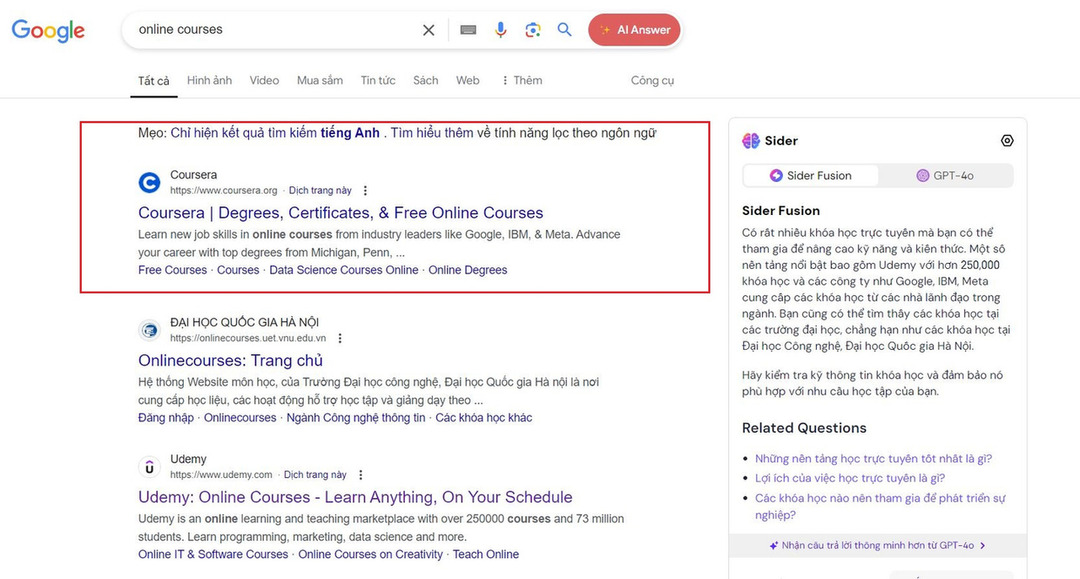
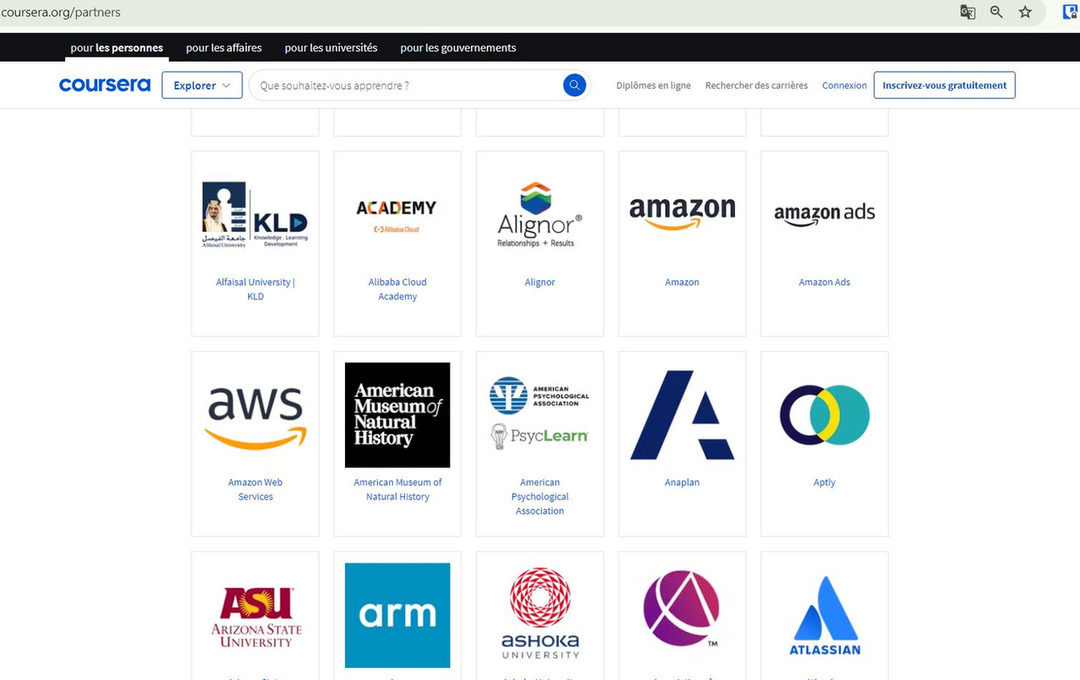
Visibility: Coursera consistently ranks at the top for searches like "online courses" and specific course topics.
Credibility: Their partnerships with prestigious universities lend authority to their courses, which is reflected in their high search rankings.
Cost-Effective Marketing: While Coursera does use paid advertising, their strong organic presence allows them to reduce their reliance on paid channels.
User Experience: Coursera's website is optimized for speed and mobile responsiveness, contributing to both their SEO performance and user satisfaction.
By focusing on these key areas, Coursera has established itself as a leader in the online education space, with their SEO efforts playing a crucial role in their success.
Keyword Research for Online Education
Effective keyword research helps you understand what potential students are searching for and how to align your content with their needs.
How to Conduct Keyword Research for E-Learning Platforms
Identify Your Target Audience: Understand who your potential students are and what they're looking for.
Use Keyword Research Tools: Utilize tools like Google Keyword Planner, SEMrush, or Ahrefs to find relevant keywords.
Analyze Competitor Keywords: Look at the keywords your competitors are ranking for. If a competing online school is ranking well for "flexible online nursing programs," consider how you can create content around this topic
Focus on Long-Tail Keywords: These are more specific and often have higher conversion rates. For instance, "affordable online business administration degree" is more targeted than just "business degree."
Consider Search Intent: Ensure your keywords match the intent of your potential students. For example:
Informational: "What jobs can I get with a data science degree?"
Transactional: "Enroll in online marketing courses"
Navigational: "[Your Institution Name] computer science program"
Remember, the key is to use these keywords naturally throughout your content, avoiding keyword stuffing which can negatively impact your SEO efforts.
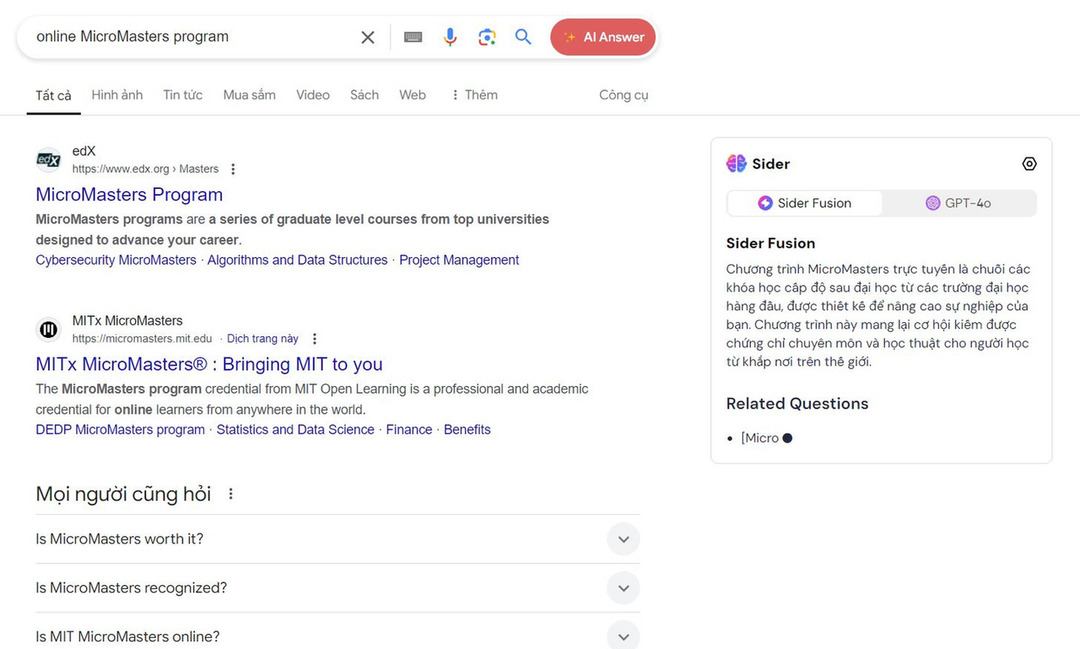
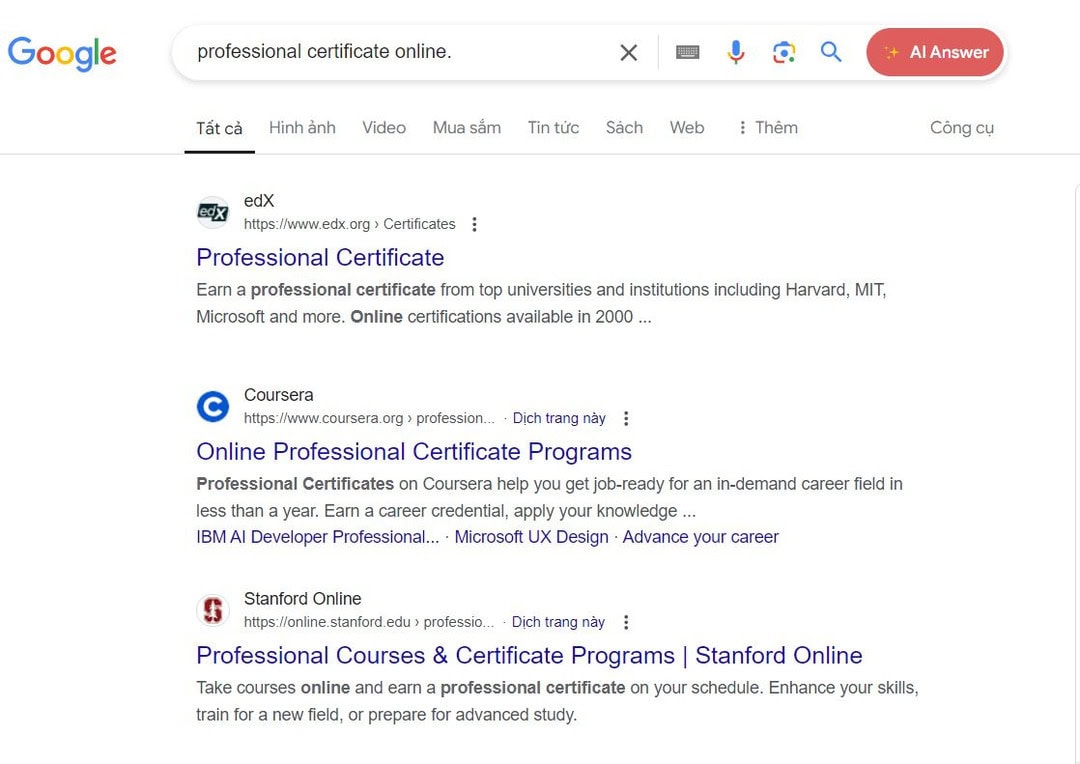
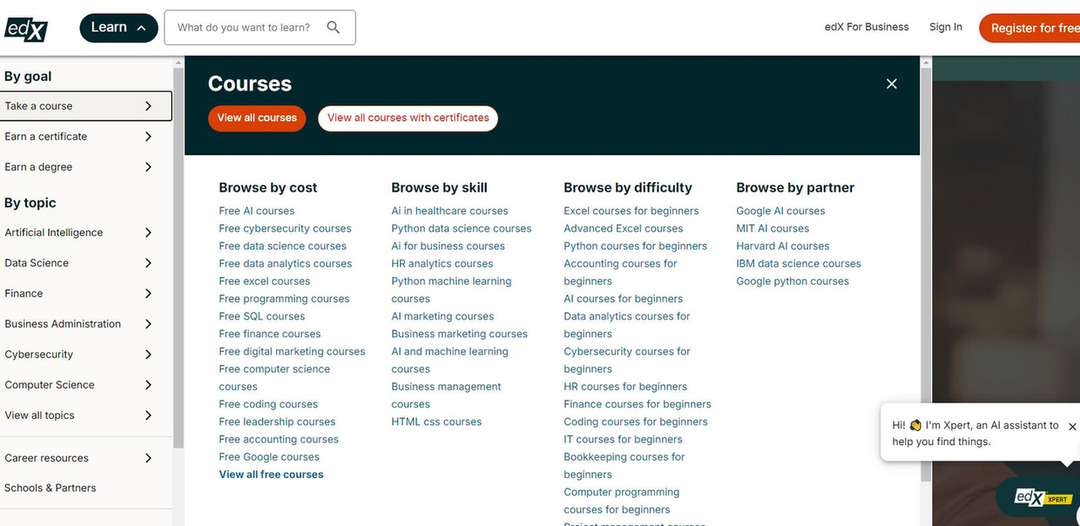
They use educational modifiers effectively, with course pages optimized for terms like "online MicroMasters program" and "professional certificate online."
Their focus on long-tail keywords is evident in pages targeting phrases such as "free online courses from Harvard" or "data science bootcamp for beginners."
edX considers search intent by creating different types of content:
Blog posts for informational queries (e.g., "Top Skills Employers Are Looking For")
Course pages for transactional queries (e.g., "Enroll in Introduction to Computer Science")
Well-optimized university partner pages for navigational queries (e.g., "MIT courses on edX")
This comprehensive approach to keyword research and content creation has helped edX capture a significant share of organic search traffic in the online education space.
On-Page SEO Optimization for E-Learning Websites
On-page SEO refers to the practice of optimizing individual web pages to rank higher and earn more relevant traffic in search engines. Here are some key strategies for online education websites:
Title Tags and Meta Descriptions
Title Tags: Include your primary keyword and make it compelling. For example: "Master Data Science Online | Top-Rated Courses from [Your Institution]"
Meta Descriptions: Write a concise, persuasive summary of your page content. For instance: "Boost your career with our accredited online Data Science courses. Learn from industry experts and gain hands-on experience. Enroll now!"
Header Tags (H1, H2, H3, etc.)
Use header tags to structure your content logically. For example:
H1: "Comprehensive Online Marketing Courses"
H2: "Course Modules"
H3: "Social Media Marketing"
H3: "Content Marketing"
H3: "SEO Fundamentals"
Content Optimization
Create in-depth, valuable content that addresses student needs and questions.
Naturally incorporate keywords throughout your content.
Use bullet points and numbered lists for better readability.
Include relevant images, videos, and infographics to enhance engagement.
URL Structure
Create clean, descriptive URLs that include your target keywords. For example:
www.youreducationsite.com/courses/digital-marketing-certification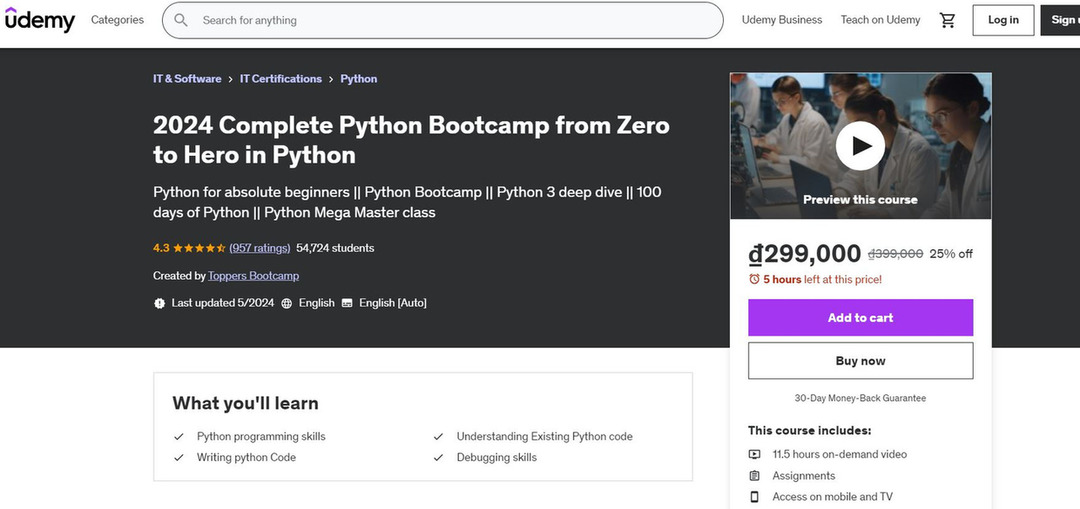

Course Descriptions: Udemy's course titles are descriptive and keyword-rich. For example, "2023 Complete Python Bootcamp From Zero to Hero in Python" clearly communicates the course content and target audience.
Schema Markup: Udemy uses course schema markup, allowing Google to display rich snippets in search results, showing details like course rating, number of students enrolled, and course duration.
Comprehensive Pages: Each course page includes a detailed description, curriculum outline, instructor bio, student reviews, and FAQs. This wealth of information helps both search engines and potential students understand the course offerings.
Image Optimization: Course thumbnail images use descriptive file names and alt text, contributing to both SEO and accessibility.
These on-page SEO efforts have helped Udemy's individual course pages rank well for specific course-related searches, driving significant organic traffic to their platform.
Technical SEO for Online Education Platforms
Technical SEO ensures that search engines can crawl, index, and understand your website effectively. Here are some key areas to focus on:
Mobile Optimization
With 52% of global internet traffic coming from mobile devices (Statista, 2023), ensuring your e-learning platform is mobile-friendly is crucial. Google's mobile-first indexing means that the mobile version of your website is considered the primary version for ranking purposes.
Page Speed Optimization
Fast-loading pages are crucial for both user experience and SEO. According to Google, as page load time increases from 1 second to 3 seconds, the probability of bounce increases by 32%. Use tools like Google PageSpeed Insights to identify and fix speed issues.
Site Structure and Navigation
Create a logical site structure that makes it easy for both users and search engines to navigate your content. Use breadcrumbs and a clear hierarchy to help users understand their location within your site.
Schema Markup
Implement schema markup to help search engines understand your content better. For online education, consider using:
Course schema
Article schema
FAQ schema
Content Marketing Strategies for Online Education
Content marketing is a powerful tool for attracting and engaging potential students. Here are some effective strategies:
Blog Posts and Articles
Create informative, SEO-optimized blog posts that address common questions and concerns of your target audience. For example:
"10 In-Demand Skills You Can Learn Online in 2023"
"How to Choose the Right Online Course for Your Career Goals"
"The Future of E-Learning: Trends to Watch in [Current Year]"
Video Content
According to Cisco, by 2022, online videos will make up more than 82% of all consumer internet traffic. Create engaging video content such as:
Course previews
Student testimonials
Expert interviews
Tutorial snippets
Infographics
Visual content can be particularly effective in education. Create infographics that:
Summarize complex concepts
Present statistics about online learning
Compare different career paths or courses
Case Studies and Success Stories
Showcase the success of your former students to build trust and credibility. Include:
Before and after scenarios
Specific outcomes and achievements
Quotes from successful students

They offer free courses and certifications, which serve as powerful lead magnets and SEO assets.
HubSpot regularly publishes industry reports, such as their annual "State of Marketing" report, which attracts backlinks and establishes thought leadership.
They showcase student success stories and case studies, which provide social proof and target keywords related to career advancement.
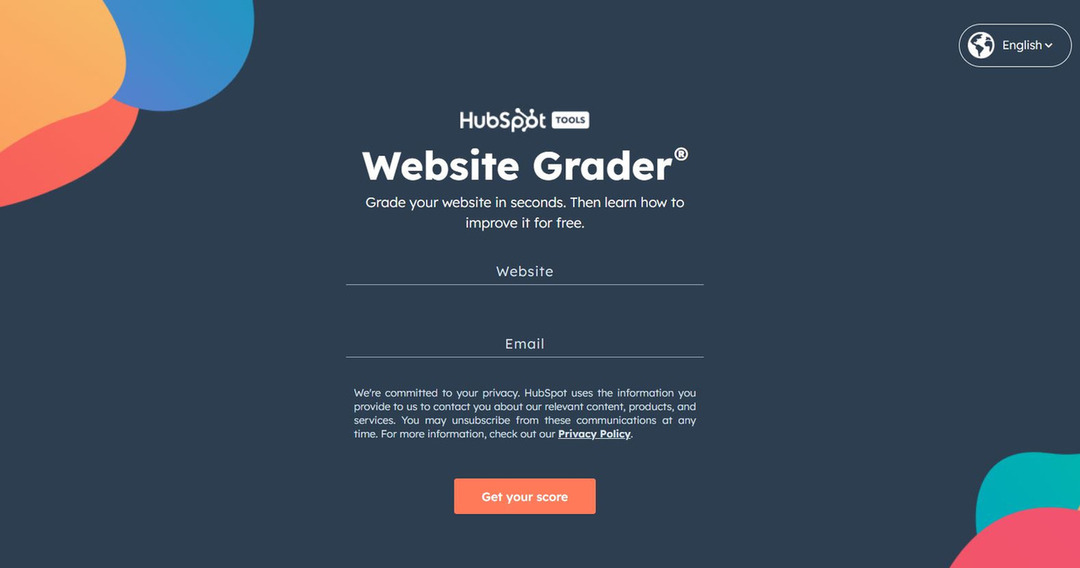
HubSpot has created interactive tools like their "Website Grader," which generates engagement and backlinks while supporting their educational offerings.
This diverse content strategy has helped HubSpot Academy build a strong organic presence and establish itself as a go-to resource for marketing education.
Link Building for Online Education Websites
Link building remains a crucial aspect of SEO. Here are some strategies tailored for online education:
Guest Posting
Write guest posts for education-focused websites, career blogs, and industry publications. This not only provides valuable backlinks but also establishes your institution as an authority in the field.
Partnerships and Collaborations
Form partnerships with other educational institutions, industry associations, or companies. These partnerships can lead to valuable backlinks and increased credibility.
Resource Link Building
Create comprehensive resources that other sites would want to link to. For example:
Industry reports
Educational tools or calculators
Comprehensive guides on specific topics
Social Media Engagement
While social media links are typically "nofollow," they can drive traffic and indirectly impact SEO through increased brand awareness and engagement.

They've partnered with tech companies like Google and Amazon, which has resulted in high-quality backlinks from these authoritative domains.
Codecademy regularly features industry experts in their blog posts and courses, encouraging natural backlinks when these experts share their contributions.
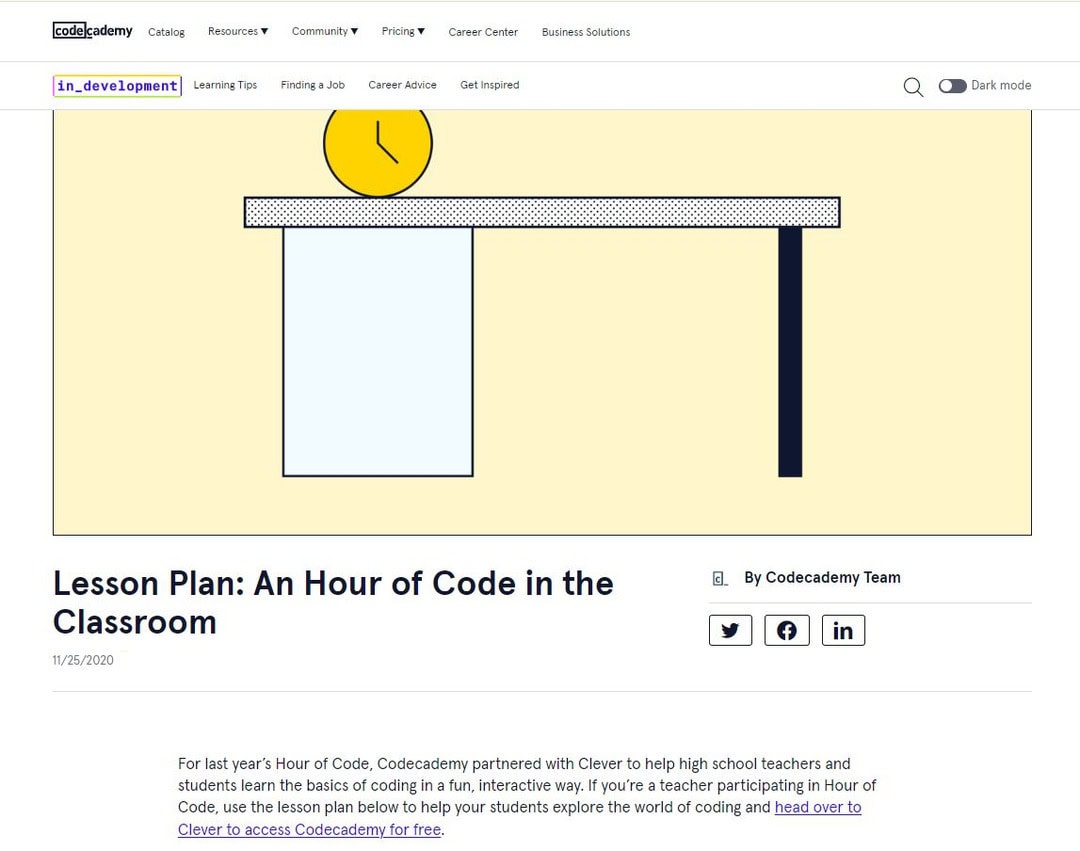
They've created free resources like their "Hour of Code" initiative, which has generated numerous backlinks from educational institutions and coding-related websites.
Codecademy encourages alumni to share their success stories, often resulting in backlinks from tech blogs, employers, and personal portfolios.
These diverse link building tactics have helped Codecademy improve their domain authority and organic search rankings for coding-related terms.
Measuring and Analyzing Your SEO Efforts
To ensure the effectiveness of your SEO strategies, it's crucial to regularly measure and analyze your efforts. Here are some key metrics to track:
Organic Traffic
Monitor the number of visitors coming to your site through organic search. Tools like Google Analytics can help you track this metric over time.
Keyword Rankings
Keep track of how your target keywords are performing in search results. Tools like SEMrush or Ahrefs can help you monitor your rankings.
Conversion Rates
Track how many visitors are taking desired actions on your site, such as enrolling in courses or requesting information.
Bounce Rate and Time on Site
These metrics can indicate how engaging and relevant your content is to visitors.
Conclusion
Implementing effective SEO strategies is crucial for online education platforms looking to stand out in a competitive digital landscape. By focusing on keyword research, on-page optimization, technical SEO, content marketing, and link building, you can significantly improve your visibility in search results and attract more potential students.
Remember, SEO is an ongoing process. Stay updated with the latest trends and algorithm changes to ensure your online education platform remains at the forefront of search results. By consistently applying these strategies and measuring your results, you'll be well-positioned to outrank your competitors and grow your online education business.
Are you ready to take your online education platform to the next level? At Nilead, we specialize in helping SMBs like yours streamline their digital marketing efforts. Our AI-powered platform combines website building, content management, CRM, and email marketing into one seamless solution, eliminating the need for multiple costly tools. Let us help you implement these SEO strategies and more, so you can focus on what you do best – providing quality education. Schedule a free discovery session today to see how we can help you do more and spend less.
Table of contents

About the author