





The Canadian real estate market is on the cusp of a digital revolution, with artificial intelligence (AI) paving the way for smarter, more efficient property decisions. At Nilead, we understand the unique challenges faced by small and medium-sized businesses in this sector. That's why we're excited to explore 15 cutting-edge AI integrations tailored specifically for Canadian real estate websites. From bilingual chatbots to climate change impact predictors, these innovations are set to transform how Canadians buy, sell, and invest in property. Join us as we dive into these game-changing tools that promise to make your real estate journey more informed, personalized, and uniquely Canadian.
Bilingual AI Assistants: Breaking Down Language Barriers
In a country proud of its bilingualism, communication is key. AI-powered chatbots and voice assistants fluent in both English and French are game-changers for Canadian real estate websites. These intelligent assistants can:
Provide instant, 24/7 customer service in both official languages
Answer complex queries about properties, neighborhoods, and market trends
Schedule viewings and follow up with potential buyers or sellers

According to a study by the Canadian Real Estate Association (CREA), 22.8% of Canadians speak French as their first language. By implementing bilingual AI assistants, real estate websites can cater to a broader audience, potentially increasing engagement and conversions by up to 20%.
Provincial and Territorial Regulation Compliance: Navigating the Legal Landscape
Canada's real estate regulations vary significantly across provinces and territories. AI tools can simplify this complex landscape by:
Providing up-to-date information on local regulations
Offering personalized guidance based on the user's location
Alerting users to recent changes in legislation that may affect their property decisions
For example, an AI-powered compliance checker could inform users about British Columbia's Speculation and Vacancy Tax or Ontario's Non-Resident Speculation Tax, ensuring they make informed decisions based on their specific circumstances.
First Nations Land Status Checker: Respecting Indigenous Rights
Understanding property rights on First Nations land is crucial for potential buyers and developers. An AI system dedicated to this purpose can:
Quickly determine if a property is on First Nations land
Explain the implications for ownership, leasing, and development
Provide resources on Indigenous land rights and protocols
This tool not only helps users make informed decisions but also promotes respect and understanding of Indigenous land rights in Canada.
Canadian Mortgage Stress Test Analyzer: Financial Peace of Mind
The mandatory Canadian mortgage stress test can be a source of confusion for many buyers. An AI tool simulating this test can:
Help buyers understand their borrowing capacity
Provide personalized scenarios based on income, debts, and desired property value
Offer advice on improving mortgage eligibility
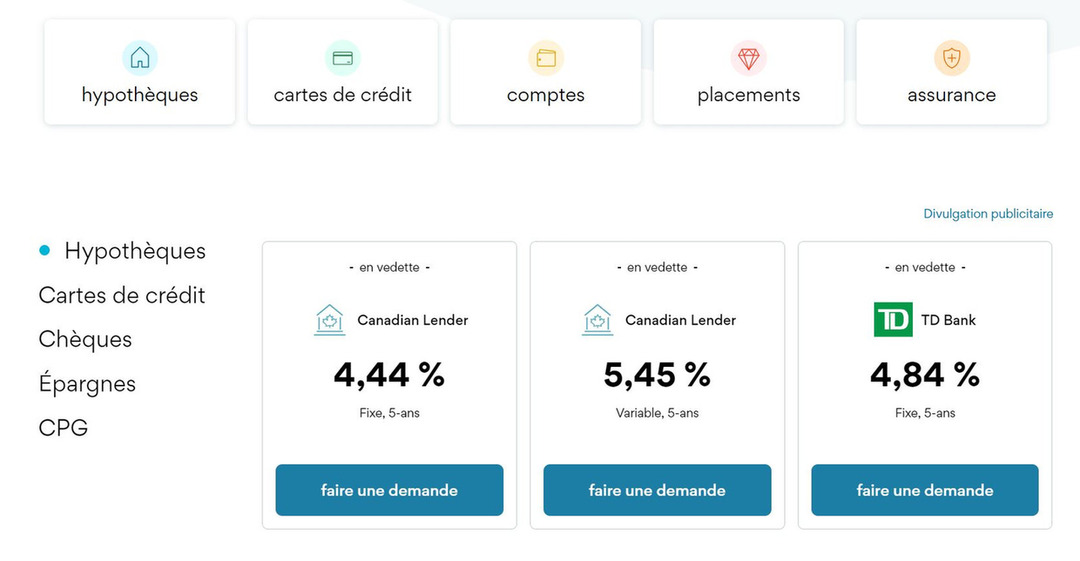
According to the Canada Mortgage and Housing Corporation (CMHC), the stress test has contributed to a 36% decline in highly indebted borrowers since its implementation. An AI analyzer can help potential buyers navigate this crucial financial hurdle with confidence.
Climate Change Impact Predictor: Future-Proofing Investments
With climate change becoming an increasingly important factor in property decisions, AI can play a crucial role in predicting its impact. This tool can:
Analyze historical climate data and future projections
Assess risks such as flooding, forest fires, or permafrost thaw for specific properties
Provide recommendations for climate-resilient home features
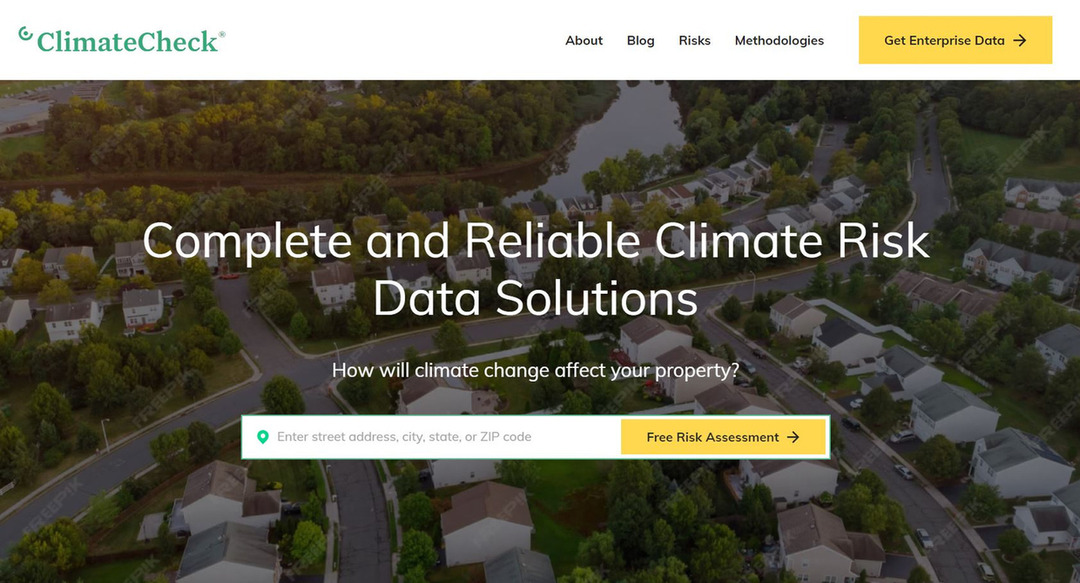
A report by the Insurance Bureau of Canada states that the annual cost of weather-related insurance claims has more than quadrupled since 2008. An AI-powered climate impact predictor can help buyers make informed decisions about long-term property investments.
Urban vs. Rural Property Analyzer: Tailored Lifestyle Comparisons
Canada's vast geography offers diverse living options. An AI system comparing urban and rural properties can:
Consider factors like healthcare access, internet connectivity, and proximity to major centers
Provide personalized recommendations based on lifestyle preferences
Offer insights into the cost of living differences between urban and rural areas
This tool can be particularly valuable for the growing number of remote workers considering a move from cities to rural areas, a trend that has seen a 23.8% increase since the start of the COVID-19 pandemic, according to Statistics Canada.
Foreign Buyer Tax Estimator: Clarity for International Investors
With foreign investment regulations varying across Canada, an AI tool calculating potential foreign buyer taxes can:
Provide accurate estimates for areas like Vancouver and Toronto
Explain local regulations and their implications for international investors
Offer guidance on navigating the foreign buyer process
This tool can be crucial for international investors, especially considering that foreign-owned properties account for 3.4% of all residential properties in British Columbia and 2.2% in Ontario, as reported by the Canadian Housing Statistics Program.
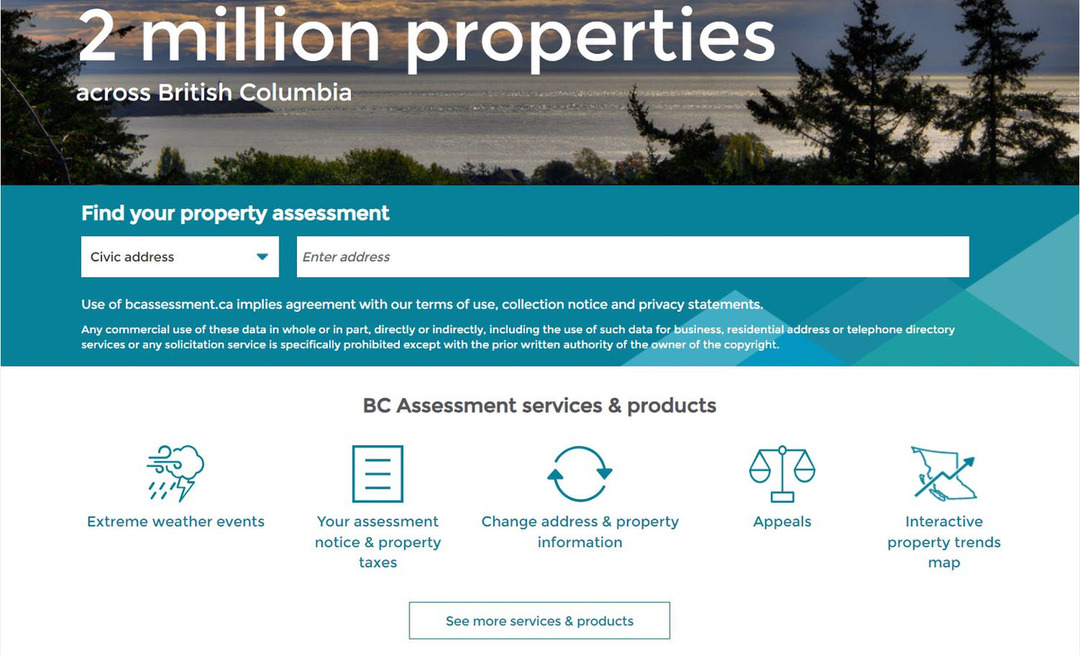
Canadian Housing Market Trend Predictor: Data-Driven Forecasting
AI models can forecast trends in the Canadian housing market by considering:
Immigration policies and population growth
Interest rates set by the Bank of Canada
Local economic conditions and job markets
For instance, the tool could have predicted the 21.4% year-over-year increase in average home prices seen in 2021, as reported by CREA, helping buyers and sellers make more informed decisions.
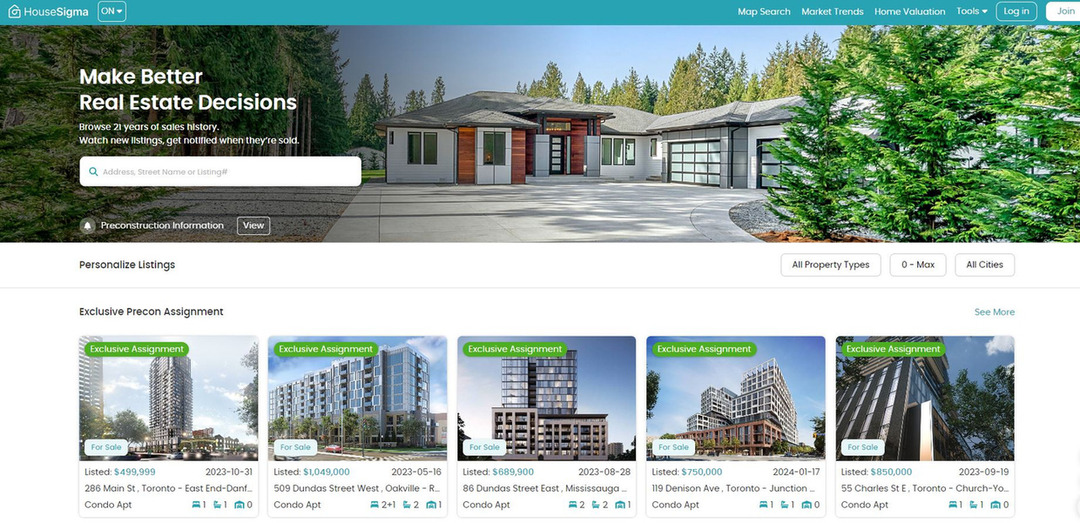
Winter Livability Score: Embracing the Canadian Climate
An AI-driven rating system for winter livability can assess properties based on:
Insulation quality and heating system efficiency
Proximity to snow removal services and winter amenities
Historical snowfall and temperature data for the area
This unique Canadian feature can be particularly valuable, considering that heating accounts for 61% of the energy used in Canadian homes, according to Natural Resources Canada.
Indigenous Housing Market Insights: Respecting Cultural Diversity
AI tools providing insights into Indigenous housing markets can:
Offer data on both on-reserve and off-reserve housing markets
Highlight unique aspects of Indigenous housing, such as communal ownership models
Provide resources on Indigenous-led housing initiatives and programs
This tool can help address the significant housing challenges faced by Indigenous communities, where overcrowding affects 18.3% of Indigenous people living on reserves, according to Statistics Canada.
Rental Market Analysis for University Towns: Student Housing Opportunities
AI analysis of rental markets in Canadian university towns can:
Predict demand based on enrollment trends and international student numbers
Compare rental yields across different university towns
Highlight property features most valued by student tenants
With international student enrollment in Canada growing by 13% annually over the past decade, according to the Canadian Bureau for International Education, this tool can be invaluable for investors in the student housing market.
New Build vs. Resale Comparator: Informed Buying Decisions
An AI system comparing new build and resale properties can:
Analyze factors like warranties, energy efficiency, and long-term value
Provide cost comparisons, including potential renovation needs for resale properties
Offer insights into neighborhood development plans for new build areas
This tool can help buyers navigate the choice between new and resale properties, a decision that affects the 235,401 new homes expected to be built in Canada in 2023, according to CMHC projections.

Canadian Tax Implication Estimator: Financial Planning Made Easy
An AI tool estimating tax implications of real estate transactions can:
Calculate potential capital gains tax on property sales
Estimate GST/HST on new builds and substantially renovated homes
Provide insights into tax deductions available for rental properties
This tool can help users navigate complex tax situations, such as the principal residence exemption, which saved Canadian homeowners an estimated $7.9 billion in taxes in 2016, according to the Parliamentary Budget Officer.

Neighborhood Multicultural Index: Celebrating Diversity
AI can analyze and score neighborhoods based on cultural diversity by:
Assessing demographic data and community amenities
Highlighting cultural events and institutions in the area
Providing insights into language diversity and multicultural services
This tool celebrates Canada's multicultural identity, where 22.3% of the population identifies as a visible minority, according to the 2016 Census.
Public Transit Accessibility Scorer: Urban Mobility at a Glance
An AI system rating properties based on public transit access can:
Analyze proximity to bus stops, subway stations, and light rail
Estimate commute times to key locations using public transit
Provide information on future transit development plans
This tool is crucial for urban dwellers, considering that 12.6% of Canadians use public transit as their main mode of commuting, with this percentage rising to 24.3% in Toronto and 22.9% in Vancouver.
Conclusion
The integration of these 15 AI tools into Canadian real estate websites marks a significant leap forward in how we approach property decisions. By leveraging AI, we can provide more accurate, personalized, and valuable insights to buyers, sellers, and investors across Canada. These innovations not only streamline the property search process but also address unique Canadian considerations, from bilingual services to climate change impacts.
At Nilead, we're committed to helping real estate businesses implement these cutting-edge tools. Our AI-powered platform combines website building, content management, CRM, and email marketing into one seamless solution, eliminating the need for multiple costly tools. By embracing these AI integrations, you can provide better service, make more informed decisions, and drive your business forward in the evolving Canadian real estate market. Ready to revolutionize your real estate business with AI-powered solutions? Schedule a free discovery session with Nilead today and see how we can help you do more and spend less.
Table of contents

About the author