





Picture this: It's midnight, and a young couple in Toronto is dreaming about their first home. They're not calling agents yet – they're googling. Will they find you? That's where killer content comes in. Whether you're helping folks navigate the tricky waters of the mortgage stress test or explaining why Quebec's real estate scene is a whole different ballgame, your website needs to be the go-to source for answers. In this guide, we're diving into everything from condo insurance crises to the latest on foreign buyer rules. So, whether you're a seasoned pro in Vancouver or just starting out in Halifax, buckle up! We're about to transform your digital presence from "meh" to "wow!" Ready to make your website work as hard as you do? Let's get started!
Demystifying the Canadian Mortgage Stress Test
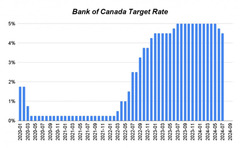
The Canadian Mortgage Stress Test is a crucial topic that potential homebuyers need to understand. Creating content around this subject can position you as a knowledgeable resource and attract visitors to your website.
How It Works: Explain that the stress test requires borrowers to qualify at a higher interest rate than their actual mortgage rate. This ensures they can afford their mortgage payments if rates increase.
Impact on Buyer Purchasing Power: Discuss how the stress test can reduce the amount buyers can borrow, potentially affecting their home choices.
Recent Changes and Future Outlook: Keep your content up-to-date with the latest changes to the stress test and provide insights on potential future adjustments.
Content Idea: Create an interactive calculator that helps potential buyers estimate how much they can borrow under the stress test rules.
Navigating the First-Time Home Buyer Incentive
The First-Time Home Buyer Incentive is a federal program designed to help Canadians enter the housing market. Crafting informative content about this program can attract first-time buyers to your website.
Program Details: Outline how the government contributes a percentage of the home's purchase price, reducing monthly mortgage payments.
Eligibility Criteria: Clearly list the requirements, such as income limits and maximum purchase prices.
Pros and Cons: Provide a balanced view of the program, discussing both its benefits and potential drawbacks.
Content Idea: Develop a decision-making flowchart to help first-time buyers determine if the incentive is right for them.
Understanding Foreign Buyer Restrictions
With recent changes in foreign buyer regulations, it's essential to provide clear, accurate information on this topic.
Overview of Foreign Buyer Ban in Canada (as of 2024)
Aspect | Details |
|---|---|
Duration | Two years (January 1, 2023 - December 31, 2024) |
Prohibited Purchases | Residential properties in Canada |
Exceptions | International students, foreign workers (with conditions) |
Penalties | Up to $10,000 fine and forced sale of the property |
Affected Areas | Nationwide, with some regional variations |
The Prohibition on the Purchase of Residential Property by Non-Canadians Act, colloquially known as the foreign buyer ban, came into effect on January 1, 2023. This legislation aims to cool housing markets and improve affordability for Canadians by restricting foreign investment in residential real estate. While the ban is nationwide, its impact varies across different regions, with some areas seeing more significant effects than others.
Overview of the Foreign Buyer Ban: Explain the two-year ban on foreign buyers purchasing residential properties in Canada.
Exceptions to the Rule: Detail the exceptions, such as international students and foreign workers who meet specific criteria.
Impact on Local Markets: Analyze how these restrictions might affect different Canadian real estate markets.
Content Idea: Create a FAQ section addressing common questions from potential foreign buyers and investors.
Exploring Assignment Sales
Assignment sales can be a complex topic for many buyers and investors. Providing clear information can help your audience navigate this aspect of the market.
Explanation of the Practice: Define assignment sales and how they work in the context of pre-construction properties.
New Regulations and Tax Implications: Discuss recent changes in regulations and how they affect taxes on assignment sales.
Impact on Pre-Construction Condo Markets: Analyze how assignment sales influence the pre-construction condo market in major Canadian cities.
Content Idea: Develop a pros and cons list for buyers considering purchasing an assignment.
Breaking Down Provincial Land Transfer Taxes
Land transfer taxes vary across Canada, making this topic essential for buyers moving between provinces or cities.
Provincial Breakdown: Provide a comprehensive list of land transfer tax rates for each province.
Municipal Land Transfer Taxes: Highlight additional taxes in cities like Toronto, where buyers face both provincial and municipal land transfer taxes.
First-Time Buyer Rebates: Detail the rebates available to first-time buyers in different provinces.
Content Idea: Create an interactive map of Canada where users can click on provinces to see land transfer tax rates and rebate information.
Land Transfer Tax Rates by Province (2024)
Province | Land Transfer Tax Rate |
|---|---|
Ontario | 0.5% - 2.5% (progressive) |
British Columbia | 1% - 3% (progressive) |
Quebec | 0.5% - 1.5% (progressive) |
Nova Scotia | Flat rate of 1% |
New Brunswick | 1% of assessed value |
Prince Edward Island | 1% of purchase price over $30,000 |
Manitoba | 0.5% - 2% (progressive) |
Saskatchewan | No provincial land transfer tax |
Alberta | No provincial land transfer tax |
Newfoundland & Labrador | No provincial land transfer tax |
Some municipalities may charge additional land transfer taxes. For example, Toronto has its own municipal land transfer tax in addition to the provincial tax.
Navigating Rent Control Policies
Rent control policies are crucial for both landlords and tenants to understand, especially in a market with rising rental prices.
Provincial Differences: Outline how rent control policies differ across Canadian provinces.
Impact on Real Estate Investment: Discuss how rent control affects property investors and the rental market.
Recent Changes and Debates: Keep your audience informed about ongoing discussions and changes in rent control policies.
Content Idea: Develop a series of case studies showcasing how rent control has impacted different types of properties and landlords.
Addressing the Condo Insurance Crisis
The rising cost of condo insurance in certain markets is a growing concern for owners and potential buyers.
Rising Insurance Costs: Highlight the increase in insurance premiums, particularly in British Columbia.
Causes and Implications: Explain the factors contributing to the insurance crisis and how it affects condo owners and buyers.
Content Idea: Create an interview series with insurance experts discussing strategies for condo owners to manage rising insurance costs.
Factors Contributing to Rising Condo Insurance Rates
Factor | Impact |
|---|---|
Increased claims frequency | Higher payouts, leading to premium increases |
Rising reconstruction costs | More expensive to rebuild, higher coverage needed |
Climate change-related risks | More frequent severe weather events |
Aging condo stock | Higher risk of claims in older buildings |
Limited competition in insurance market | Fewer options for condo corporations |
Indigenous Land Claims and Real Estate
Understanding Indigenous land claims is crucial for buyers and investors in certain areas of Canada.
Impact on Property Rights: Explain how land claims can affect property ownership and development.
Leasehold Properties on First Nations Lands: Discuss the unique aspects of purchasing and owning leasehold properties on First Nations lands.
Content Idea: Develop a guide on due diligence for buyers interested in properties potentially affected by land claims.
Quebec's Distinct Real Estate Practices
Quebec's unique real estate practices require special attention in your content strategy.
Notary System vs. Lawyers: Explain the role of notaries in Quebec real estate transactions compared to lawyers in other provinces.
Dual Agency Regulations: Discuss Quebec's regulations on dual agency and how they differ from other provinces.
Language Requirements: Detail the French language requirements for real estate listings and transactions in Quebec.
Content Idea: Create a comparison chart highlighting the key differences in real estate practices between Quebec and other provinces.
Vacant Home Taxes
As more cities implement vacant home taxes, it's important to keep your audience informed about these policies.
Implementation in Major Cities: Discuss the vacant home taxes in Vancouver and Toronto, and potential implementation in other cities.
Purpose and Market Impact: Explain the goals of these taxes and how they're affecting local real estate markets.
Content Idea: Develop a calculator to help property owners determine if their property might be subject to vacant home taxes.

Home Energy Ratings
With increasing focus on energy efficiency, content about home energy ratings can attract environmentally conscious buyers.
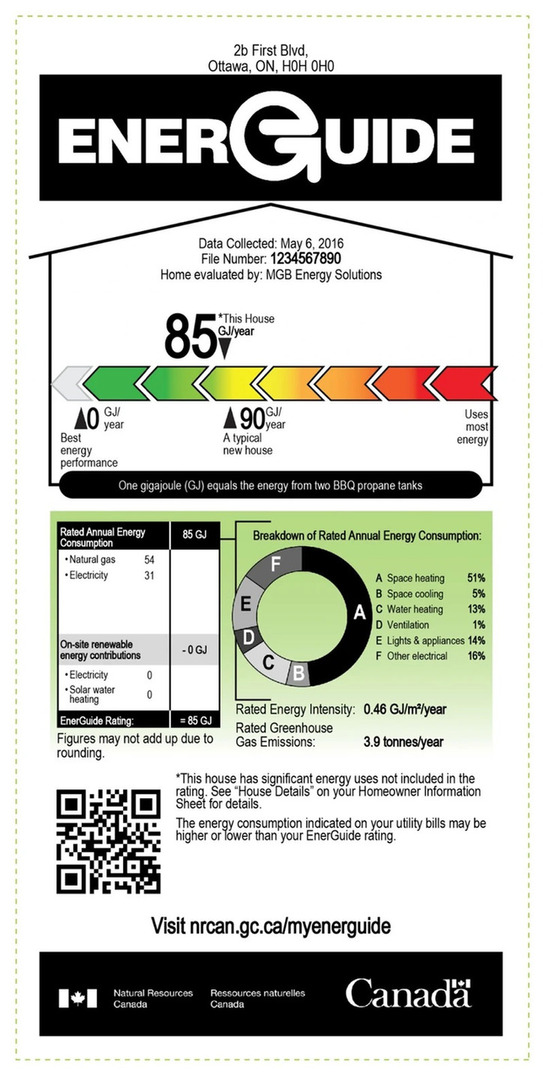
EnerGuide Ratings: Explain the EnerGuide rating system and its importance in Canadian homes.
EnerGuide Rating System in Canada
Rating | Energy Efficiency Level |
|---|---|
0-50 | Old, uninsulated home |
51-65 | lder home, some upgrades |
66-80 | Energy-efficient new home |
81-100 | High-efficiency home |
100+ | Net-zero energy home |
Provincial Energy Efficiency Programs: Highlight different provincial programs encouraging energy-efficient home improvements.
Content Idea: Create a series of infographics showing the potential energy and cost savings of homes with different EnerGuide ratings.
Laneway Housing and Garden Suites
As cities look to increase density, laneway housing and garden suites are becoming more popular topics.
Regulations in Different Cities: Outline the rules and regulations for laneway housing and garden suites in major Canadian cities.
Impact on Property Values: Discuss how these additional dwelling units can affect property values and rental income potential.
Content Idea: Develop a virtual tour of a laneway house or garden suite to showcase their potential.

Climate Change and Real Estate
The impact of climate change on real estate is an increasingly important topic for buyers and sellers.
Flood Plain Mapping: Explain how flood plain maps are changing and the implications for property insurance and values.
Building Code Changes: Discuss how building codes are evolving to address climate resilience and energy efficiency.
Content Idea: Create an interactive map showing how climate change might affect different regions of Canada and their real estate markets.
Short-Term Rental Regulations
With the rise of platforms like Airbnb, short-term rental regulations are a hot topic in many Canadian cities.
City-Specific Rules: Outline the regulations for short-term rentals in major Canadian cities.
Impact on Condo Markets: Discuss how short-term rental rules affect condo markets and property management.
Content Idea: Develop a decision tree to help property owners determine if they can use their property for short-term rentals.
New Home Warranty Programs
Understanding new home warranties is crucial for buyers of newly constructed homes.
Provincial Differences: Highlight the differences in warranty coverage across Canadian provinces.
Buyer's Guide: Provide a comprehensive guide on what buyers need to know when purchasing a new construction home.
Content Idea: Create a checklist for buyers to use when reviewing new home warranty documents.
Conclusion
Mastering these content strategies will transform your Canadian real estate website into a valuable resource for clients and a powerful tool for your business. By consistently delivering informative, engaging content on these diverse topics, you'll establish yourself as a trusted expert in your market. Remember, in the digital realm, your content is your competitive edge. Keep it fresh, relevant, and focused on your audience's needs. With this approach, you'll not only attract more visitors but convert them into loyal clients, setting your real estate business apart in the bustling Canadian market.
At Nilead, we understand that managing a comprehensive content strategy while running your real estate business can be challenging. That's why our all-in-one digital marketing platform is designed to streamline your online presence, allowing you to focus on what you do best—helping clients find their perfect homes.
Ready to take your real estate website to the next level? Schedule a free discovery session with Nilead today. Let us show you how our AI-powered platform can help you create engaging content, manage your CRM, and boost your email marketing—all while saving you time and money. With Nilead, you can do more, spend less, and watch your real estate business grow. Start your journey to digital marketing success now!
Table of contents

About the author