




Imagine a world where buying or selling a property in Canada is as simple as a few clicks, with all the complexities of title searches, escrow, and paperwork handled seamlessly in the background. This isn't a far-off dream – it's the potential future of Canadian real estate, powered by blockchain technology. As a small or medium-sized business (SMB) owner in the real estate sector, understanding this technological revolution is crucial for staying ahead in an increasingly digital marketplace.
At Nilead, we're passionate about helping SMBs like yours navigate the ever-evolving digital landscape. Today, we're diving deep into how blockchain is set to transform the Canadian real estate industry, potentially streamlining your operations and opening up new opportunities for growth.
The Blockchain Revolution in Canadian Real Estate
Blockchain technology, best known as the backbone of cryptocurrencies like Bitcoin, is much more than just digital money. It's a decentralized, transparent, and immutable ledger system that has the potential to revolutionize how we handle real estate transactions. But what does this mean for Canadian real estate professionals and SMBs?
Smart Contracts: The Future of Real Estate Agreements
One of the most exciting applications of blockchain in real estate is the use of smart contracts. These self-executing contracts with the terms of the agreement directly written into code could transform how we handle real estate transactions.
Key Benefits:
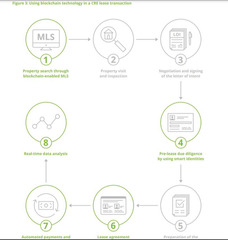
Automated Escrow: Smart contracts can hold funds in escrow and automatically release them when predefined conditions are met. This reduces the need for intermediaries and speeds up the closing process.
Conditional Transactions: Property transfers can be automatically executed when specific criteria are fulfilled, such as mortgage approval or inspection clearance.

Imagine you're selling a condo in downtown Toronto. With a smart contract, the entire process from offer to closing could be automated. Once the buyer's mortgage is approved and the inspection is cleared, the smart contract automatically transfers the property title and releases the funds to you. No more waiting for paperwork or manual processing!
Revolutionizing Property Records and Land Registries
Blockchain technology has the potential to completely overhaul how we record and manage property ownership and history.
Key Benefits:
Immutable Records: Create tamper-proof, transparent records of property ownership and transaction history.
Reduced Fraud: Minimize the risk of title fraud and double-selling by maintaining a single, verifiable source of truth.
Faster Searches: Enable near-instantaneous property searches and title verifications.
Tokenization: Democratizing Real Estate Investment
Blockchain enables the tokenization of real estate assets, potentially opening up new investment opportunities for your clients.
Key Benefits:
Fractional Ownership: Allow investors to purchase tokens representing partial ownership of properties, increasing market accessibility.
Increased Liquidity: Create a more liquid market for real estate investments through easier buying and selling of tokenized assets.

Enhancing Transparency in Transactions
Blockchain can significantly enhance transparency in real estate transactions, building trust and reducing disputes.
Key Benefits:
Public Records: Maintain a public, immutable ledger of all transactions, increasing trust and reducing disputes.
Price Transparency: Provide clear, verifiable records of historical property values and transaction prices.

Practical Application: As a real estate agent, you could offer your clients access to a blockchain-based platform that provides complete transparency on property history, including past sales, renovations, and even energy consumption data. This level of transparency could significantly reduce due diligence time and build greater trust with your clients.
Streamlining Due Diligence
Blockchain can simplify and accelerate the due diligence process, saving time and reducing stress for both buyers and sellers.
Key Benefits:
Verified Information: Store and easily access verified property information, including past renovations, inspections, and maintenance records.
Faster Processing: Reduce the time needed for background checks and verifications.

Real-World Impact: A study by Capgemini found that blockchain could reduce the average time for recording property transfers from 50-60 days to a matter of minutes [3]. Imagine how this could transform your business, allowing you to close deals faster and serve more clients!
Challenges and Considerations
While the potential of blockchain in Canadian real estate is exciting, it's important to acknowledge the challenges:
Regulatory Framework: Developing appropriate regulations to govern blockchain use in real estate transactions is crucial. The Canadian government and real estate regulatory bodies will need to adapt existing laws to accommodate this new technology.
Technology Adoption: Overcoming resistance to change and ensuring widespread adoption among industry stakeholders will be a significant hurdle. As an SMB owner, staying informed and adaptable will be key to your success in this changing landscape.
Data Privacy: Balancing transparency with the need for data privacy and protection is a delicate act. As blockchain makes more information publicly available, ensuring compliance with privacy laws like PIPEDA will be crucial.
Integration: Seamlessly integrating blockchain systems with existing real estate and legal processes will require significant effort and investment.
Future Outlook
As blockchain technology matures, we can expect to see:
Increased pilot projects and trials by Canadian real estate firms and government bodies.
Gradual integration of blockchain solutions in specific areas of real estate transactions.
Potential changes in real estate laws and regulations to accommodate blockchain-based processes.
Emergence of new business models and services built around blockchain real estate solutions.
How Nilead Can Help You Navigate the Blockchain Revolution
As the Canadian real estate industry evolves with blockchain technology, staying ahead of the curve is crucial for SMBs. At Nilead, we're committed to helping you navigate this digital transformation:
Custom Website Solutions: We can build a blockchain-ready website for your real estate business, ensuring you're prepared for the future of property transactions.
Content Management: Our AI-powered platform can help you create and manage educational content about blockchain in real estate, positioning you as a forward-thinking industry leader.
CRM Integration: Our CRM solutions can be tailored to incorporate blockchain-based verification processes, streamlining your client management.
Email Marketing: We can help you craft targeted email campaigns to educate your clients about the benefits of blockchain in real estate transactions.
Conclusion:
The impact of blockchain on Canadian real estate transactions is poised to be transformative. From smart contracts and tokenization to enhanced transparency and streamlined due diligence, this technology offers exciting possibilities for SMBs in the real estate sector.
As you navigate this evolving landscape, remember that you don't have to do it alone. Nilead is here to support your digital journey, helping you leverage these technological advancements to grow your business and better serve your clients.
Are you ready to stay ahead of the curve in the Canadian real estate market? Schedule a free discovery session with Nilead today, and let's explore how we can help you harness the power of blockchain and other cutting-edge technologies to do more and spend less.
Don't let the blockchain revolution pass you by! Book your free discovery session with Nilead now and learn how we can help your real estate business thrive in the digital age. Click here to schedule your session today!
Table of contents

About the author