Industry Guides Does carbon offset info actually matter to travelers?

Does carbon offset info actually matter to travelers?

Short answer? Sometimes. But it depends on how, where, and why you show it.

Table of content

Carbon offsetting is one of those things that sounds impressive on paper but in practice, it often lands with a shrug. Especially in travel, where skepticism around "greenwashing" is real.

Picture this:

A traveler is browsing your ecotourism website from a city apartment, coffee in hand, heart longing for misty forests and a break from the noise. They’re already dreaming of that getaway but then they stumble upon a claim:

We offset your carbon footprint with every booking.

Pause.

Do they care? Do they believe you?

Or do they roll their eyes and scroll on?

does-carbon-offset-info-actually-matter-to-travelers

Let’s be honest: Carbon offsetting is misunderstood

To some, it’s a badge of honor.

To others, it’s an empty gesture, a convenient excuse to “feel better” about a plane ride.

What makes the difference?

Context, clarity, and consistency.

If carbon offsetting on your site reads like legal fine print or a last-minute eco-buzzword, it will be ignored or worse, trigger skepticism.

So when does it matter?

1. When it's part of a broader value system

Offsetting isn’t compelling on its own, it needs to live inside a bigger sustainability narrative.

  • “Our ecolodge runs on solar energy.”

  • “We’ve eliminated single-use plastic since 2019.”

  • “We only partner with carbon-neutral transport.”

Now, when you mention:

And yes, we also calculate and offset each guest’s CO₂ footprint via a certified mangrove project,

-it feels authentic. Earned. Believable.

2. When it's visual and human

Don’t just say “We offset 1.2 tonnes of carbon.”

Say:

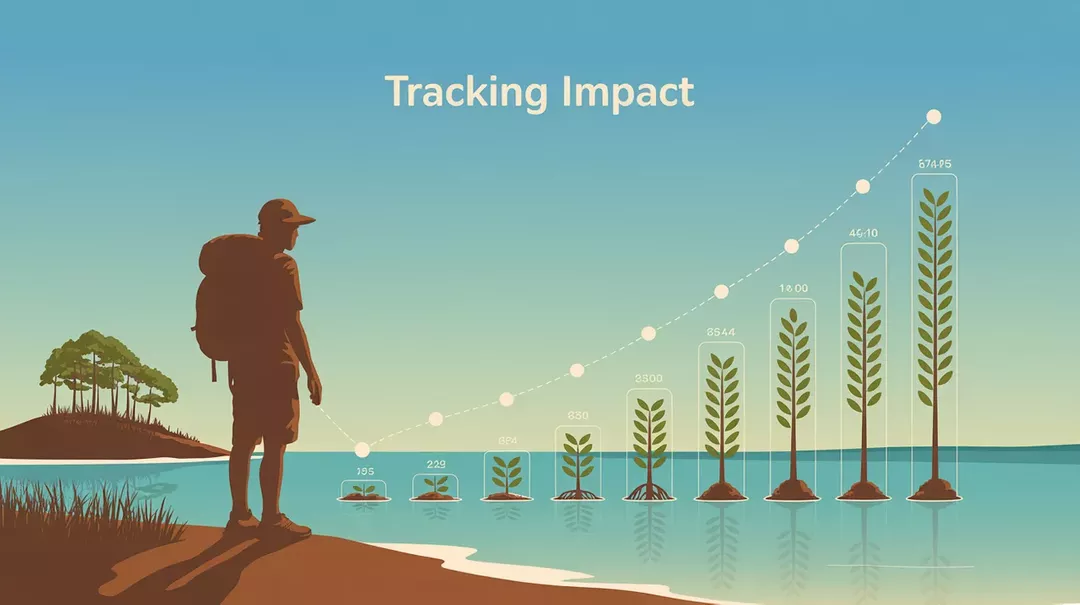
Last year, our guests helped protect over 10 hectares of mangroves that shield coastal villages from rising tides.

Give it a face. A place. A purpose.

Better yet:

Include a short video or infographic. Travelers don’t want a spreadsheet, they want a story.

3. When it’s optional, not performative

Savvy travelers often appreciate the choice:

  • Let them add an offset at checkout

  • Let them choose which project their booking supports

  • Let them skip it, guilt-free

Empowerment builds trust. Pressure erodes it.

So where does this info belong?

Not in your headline.

Not next to “Book now.”

But in:

  • A well-crafted “Sustainability” section

  • Your booking flow (as a step, not a popup)

  • A follow-up email: “Here’s the impact your stay created

Remember, offsets are not the reason they book, they’re the reason they feel good about it.

Travelers care when you care first, and communicate well. Carbon offsetting isn’t your hero message. But when it’s backed by clear, thoughtful practice, it becomes a supporting character that makes the whole experience more trustworthy.

At Nilead, we help ecotourism brands craft experiences that go beyond words, blending purpose with usability. Whether you need a dynamic Sustainability hub or a meaningful booking flow, we can design it to resonate with the eco-conscious traveler.

Discord chat

We're available Monday–Friday, security and critical bug fixes are available 24/7.

Facebook page

Get the latest news and updates regarding Nilead platform and services.